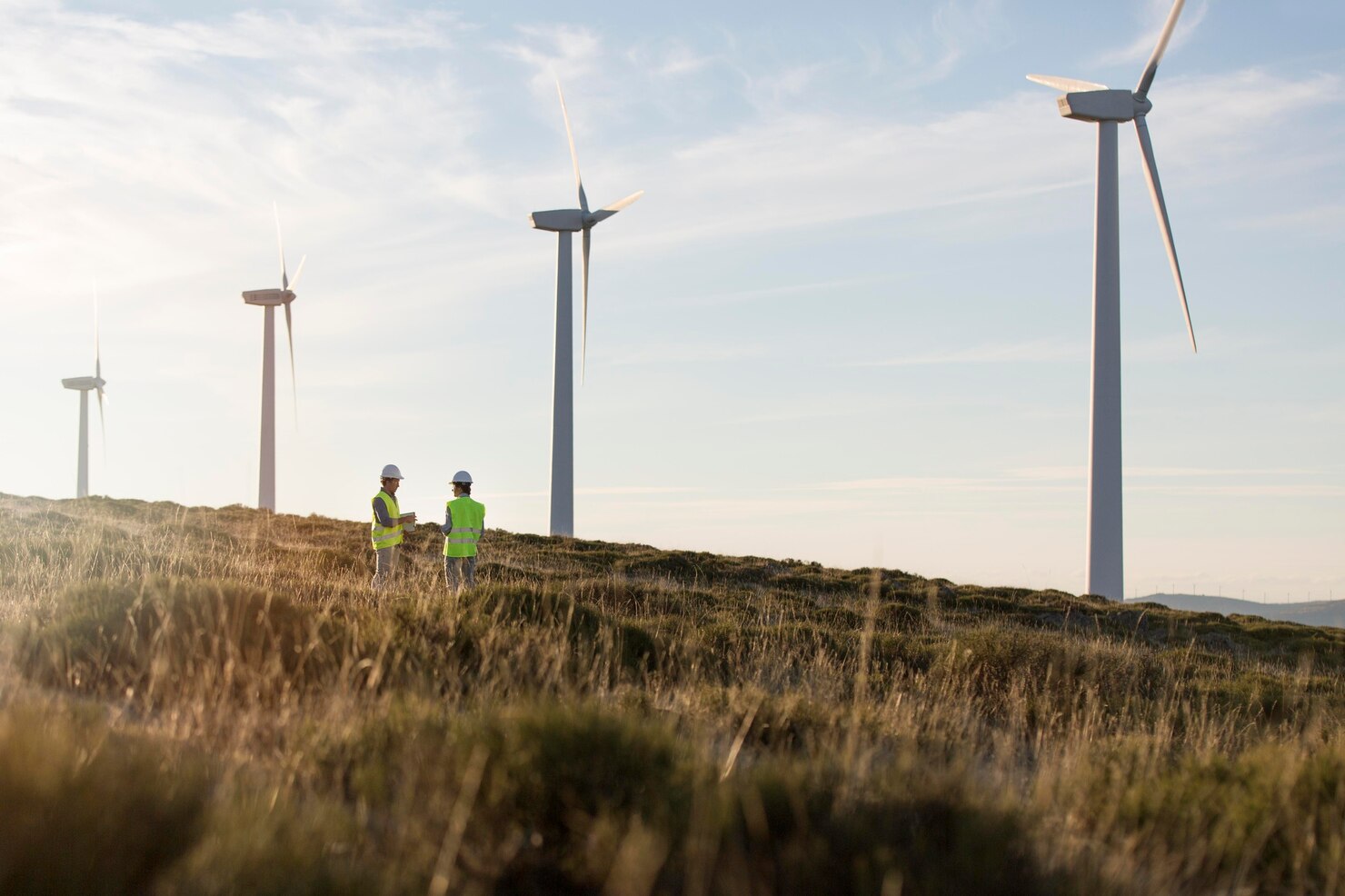
When we talk about the shift to clean energy, we usually picture the same few things. We think of vast fields of blue solar panels soaking up the desert sun or massive white turbines spinning slowly over rolling hills. These are the symbols of progress. They’re the visible signs that the way we power our lives is changing.
But there’s a much larger and more complicated story happening out of sight.
Honestly, behind every sparkling solar farm and every wind project, there’s a massive network of physical and digital infrastructure that makes the whole system work. Without it, all that green power would have nowhere to go. Have you ever wondered what actually happens to that electricity once the wind stops blowing? I think about that a lot when I see those blades spinning in the distance.
The reality of the energy transition is that it’s not just about generating power. It’s about moving that power from where it’s made to where it’s needed. Most of the best places for wind and solar are far away from the big cities where people actually use electricity. This creates a massive logistical challenge. So, we’re currently in the middle of a quiet revolution in how we build, manage, and protect the grid. This hidden infrastructure is the real backbone of the clean energy boom.
The Human Element of the Build
Beyond the tech and the steel, there’s the human infrastructure. You know, thousands of technicians, engineers, and planners are working right now to retrofit a system that was never designed for this much complexity. From the people climbing towers in the freezing wind to the analysts studying weather patterns under the glow of three monitors, the labor behind the boom is immense.
It is a lot of weight to carry.
This shift is creating a new class of specialized jobs that require a deep understanding of both old-school electrical engineering and modern data science. Because the demand for this expertise is outstripping the supply, the industry is increasingly leaning on dedicated renewable energy staffing solutions to bridge the skills gap and deploy the necessary talent at scale. Maybe that is the most overlooked part of the whole puzzle.
And that’s the real bottleneck.
We often focus on the big policy wins or the newest technology, but the people on the ground are the ones making sure the hardware actually functions. They’re the ones upgrading aging substations and ensuring that the transition doesn’t compromise the reliability of the power we all depend on. But can we train people fast enough to keep up with the pace of technology? And that’s the point, we have to try.
The Great Transmission Challenge
For decades, our electrical grid was built for a simple, one-way flow. Big power plants burned coal or gas and sent electricity down a line to your house. It was predictable. Today, the map of American energy is being completely redrawn. We’re building power sources in remote corners of the country where the wind blows hardest and the sun shines brightest. To get that energy to the coast or to major inland hubs, we need thousands of miles of new high-voltage transmission lines.
Building these lines is probably the most difficult part of the entire boom. It involves navigating a patchwork of land rights, environmental regulations, and local concerns. It’s not just about stringing wires. It’s about creating a superhighway for electrons that can span across state lines.
And it is incredibly slow work.
This physical expansion is the primary bottleneck for many renewable projects. There are currently hundreds of solar and wind farms waiting in line just to get permission to plug into the grid. The infrastructure below the surface is what determines how fast we can actually move toward a cleaner future. It’s frustrating, I guess, but it’s the reality of the dirt and the distance.
Storage and the Battery Revolution
One of the oldest criticisms of renewable energy is that the sun doesn’t always shine and the wind doesn’t always blow. This is where the next layer of hidden infrastructure comes in. Large-scale battery storage is becoming the shock absorber of the American grid. These aren’t just small backups. We’re talking about massive facilities filled with lithium-ion or flow batteries that can store enough power to run entire towns for hours.
But what happens when the grid gets pushed to its limit?
This storage infrastructure allows the grid to be flexible. It captures excess energy during a sunny afternoon and releases it during the evening when everyone gets home and turns on their lights. Without these storage hubs, a lot of clean energy would actually go to waste because the grid can’t handle sudden surges in supply. The growth of these storage sites is happening at a lightning pace, often tucked away in industrial parks where you might only hear the faint hum of cooling fans as you drive by.
The Digital Brain of the Grid
While the wires and batteries are the muscles of the system, the digital infrastructure is the brain. The old grid was mechanical. The new grid is smart. We’re seeing the deployment of advanced sensors and software that can monitor energy flow in real time. This is often called the smart grid.
It is a constant, invisible dance.
It uses data to predict when demand will spike and to automatically reroute power if a line goes down. This digital layer is essential because renewable energy is variable. Cloud cover can cause a sudden drop in solar output, or a storm can cause a surge in wind power. The software running behind the scenes balances these fluctuations every second of every day. But are we prepared for the cybersecurity risks that come with a fully digital grid? It’s a bit scary if you think about it too long.
Why It Matters for the Future
The reason we need to look at this hidden infrastructure is that it represents the true scale of the challenge. Switching to clean energy isn’t like flipping a switch. It’s like rebuilding an airplane while it’s still in flight. We’re replacing the core components of our society while making sure nothing stops working.
If we want to see the full potential of the clean energy boom, we have to invest in the things that are hard to see. We need better permitting for transmission, more investment in long-duration storage, and stronger cybersecurity for our digital grid. The solar panels and wind turbines are the face of the movement, but the infrastructure is the foundation.
The boom is here, but its success depends on the work being done in the trenches, under the ground, and inside the software. It’s a quiet, massive undertaking that will define the next century of American life. And honestly, it’s about time we started paying attention to the parts we can’t see.
Editor’s Note: The opinions expressed here by the authors are their own, not those of impakter.com — In the Cover Photo: Clean Energy Boom with wind farm, solar and hydro. Cover Photo Credit: DDS