Today’s ESG Updates
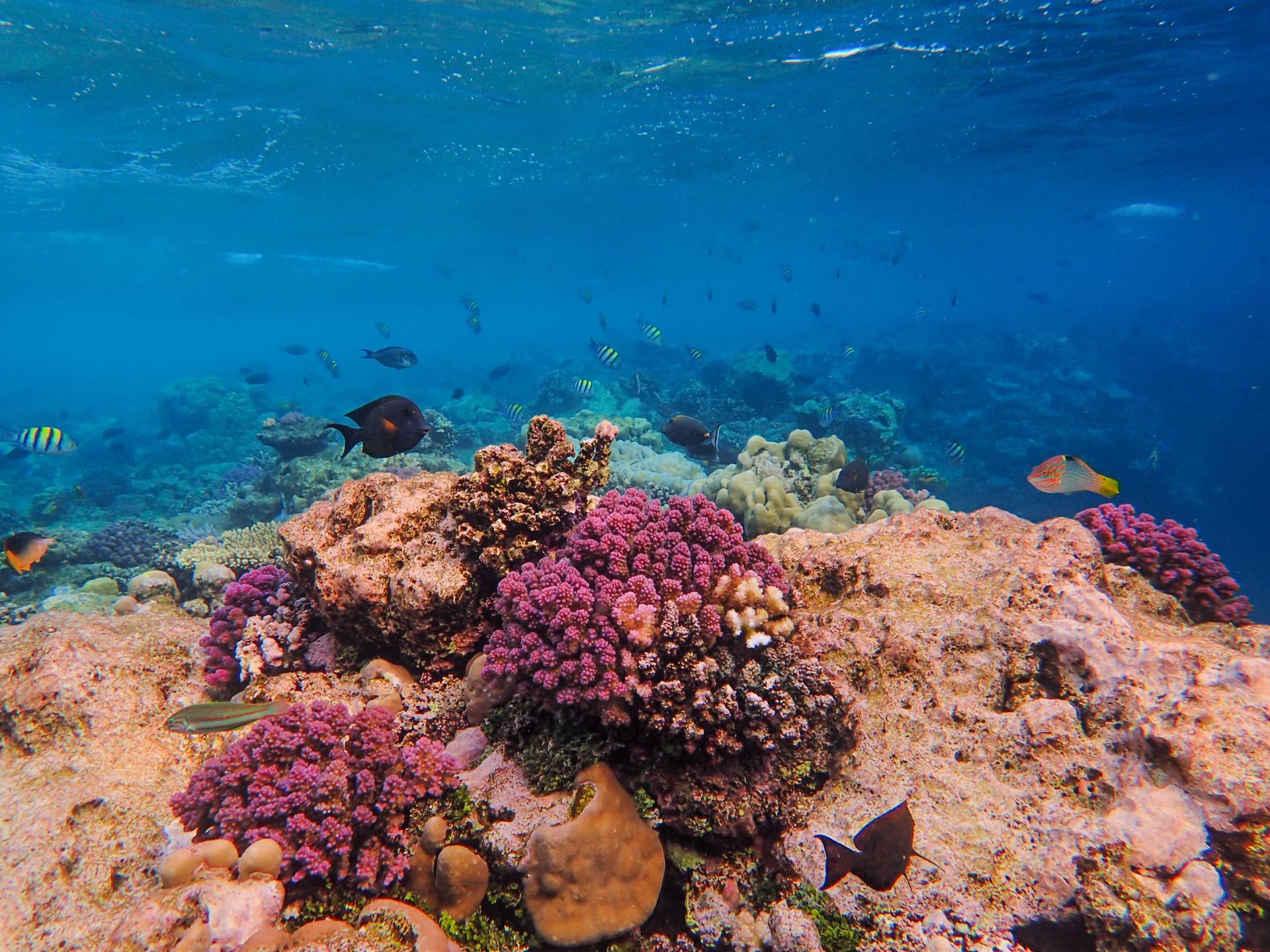
- Nations Fall Short on UN’s 30×30 Biodiversity Pledge: New research shows only 20% of land and 10% of oceans are protected under the 2022 biodiversity framework.
- Lohum Eyes Nickel Mines in Indonesia and Philippines: The Indian battery-materials firm aims to boost nickel output tenfold to 10,000 tons annually.
- Banks Warn of Fraud Risks in AI-Powered Shopping: NatWest, Bank of America, and other major lenders caution that AI shopping agents could expose consumers to scams and data breaches.
- Guterres Warns No Superpower Can Solve Global Crises Alone: In his final UN address, the outgoing secretary-general called out deepening divides, unchecked corporate power, and called for reformed global governance.
UN’s “30×30” nature goal slipping out of reach
A fresh analysis shows the world is falling significantly short of the United Nations’ flagship pledge to safeguard 30% of land and ocean territory by 2030. Under the 2022 Kunming-Montreal Global Biodiversity Framework, nearly 200 nations backed this “30×30” commitment, which promised at least $200 billion annually to halt nature loss.
Yet despite adding 1.3 million sq km of protected land and 6 million sq km of ocean since then, global coverage sits at just 20% for land and 10% for seas, according to findings from the Campaign for Nature and partner groups. Even with every government pledge fulfilled, marine protection would reach only 13%. Funding gaps run $75–150 billion yearly, with ocean conservation spending far below what’s needed.
Experts have warned that mapped protection often doesn’t translate into real-world enforcement, which leaves ecosystems vulnerable despite paper commitments.
Klimado – Navigating climate complexity just got easier. Klimado offers a user-friendly platform for tracking local and global environmental shifts, making it an essential tool for climate-aware individuals and organizations.
Lohum eyes southeast Asian nickel assets to scale up battery metals output
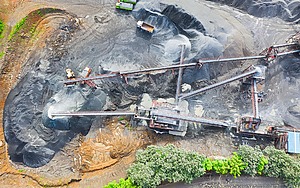
Indian battery-materials firm Lohum is exploring nickel mine acquisitions in Indonesia and the Philippines as part of a plan to boost output tenfold. According to CEO Rajat Verma, the move supports India’s broader push toward clean energy and EV adoption while cutting reliance on Chinese mineral supplies.
Lohum currently recycles materials to produce 1,000 tons of nickel annually at its Gujarat facility, but aims to hit 10,000 tons within 18 months — potentially higher if the right mine acquisition materialises. To fund expansion, the company is raising $105 million in equity alongside $210 million in debt.
Beyond nickel, Lohum is investing $100 million into Zimbabwean lithium blocks and building a cathode material plant in Uttar Pradesh. It’s also developing a battery-recycling facility in Sharjah and scouting Southeast Asia for rare earth deposits to reduce China’s grip on the critical mineral supply chain.
Related Articles
Here is a list of articles selected by our Editorial Board that have gained significant interest from the public:
Global banks flag fraud and privacy threats in AI-powered shopping

Major banks such as NatWest, Bank of America, ING, ASB Bank, Capital One and Commonwealth Bank of Australia have cautioned that AI shopping agents could expose consumers to greater fraud, scams, and privacy violations. Their joint report arrives as tech giants like OpenAI, Anthropic, Google, and Meta push AI chatbots as tools for automated purchasing. Meanwhile, retailers such as John Lewis are already seeing AI-driven traffic jump from 0.3% to 2.5% year over year.
While shoppers show growing interest in agentic commerce, the banks noted regulation and safety standards haven’t kept pace with the technology. Their main concerns focus on the possibility of AI agents mishandling card details or pushing users toward less secure payment options.
The banks have urged the policymakers to regulate transparency around AI involvement in transactions, protect customer data, and ensure interoperability. They have based these initiatives on letting consumers freely choose their preferred AI shopping platforms.

Outgoing UN chief warns no superpower can fix global crises alone
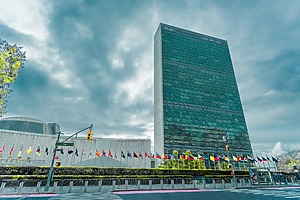
In his final speech to the UN General Assembly, Secretary-General António Guterres declared that global divisions have widened into “canyons,” proving that even superpowers lack the military, economic, and technological strength to guarantee security on their own.
Looking back at his decade-long tenure, he highlighted the escalating wars, deepening inequality, eroding trust, along with an AI revolution outpacing governance. Without directly naming the current forces of destruction, he condemned the devastation in Gaza and stressed that unchecked power cannot ensure lasting stability.
Further, he called out major oil companies for reaping enormous profits while climate funds for developing nations decrease. He renewed calls for fairer global governance, such as African representation on the Security Council. He ended on a note of hope, which highlighted the UN’s recent achievement of full gender parity in leadership roles as proof that meaningful change is possible.
Editor’s Note: The opinions expressed here by the authors are their own, not those of impakter.com — Cover Photo Credit: Francesco Ungaro