
Today’s ESG Updates
- COP31 Sets Climate Action Targets: The agenda targets up to 10 gigatons of CO₂ reductions by 2035 and includes new initiatives on industrial decarbonization, AI and clean technologies.
- Biofuel Boom Could Require Land the Size of Germany by 2030: Global output is forecast to rise nearly 70% from 2025 levels, and fully implementing proposed mandates potentially could require 36 million additional hectares of land.
- California Tightens Data Center Rules: Seven new laws require greater disclosure of electricity, water, and land use while limiting the costs that can be passed to other ratepayers.
- Victoria Requires Data Centers to Secure Clean Power: Proposed rules would make new facilities source their own renewable electricity and storage while covering grid connection and upgrade costs.
COP31 agenda targets 8.5–10 gigatons of emissions cuts by 2035
Turkey’s COP31 presidency has set out an action agenda aimed at turning existing climate commitments into measurable projects, rather than introducing new pledges. The agenda targets raising electricity’s share of global energy consumption to 35% by 2035 and halving projected increases in municipal waste.
Other targets include reducing energy-use intensity in buildings by at least 25% and increasing the global circular-material-use rate to 15% by 2035. Turkey estimates the measures could reduce global emissions by 8.5–10 gigatons of CO₂ by 2035.
COP31 President Murat Kurum also announced plans to implement a Green Industrialization Facilitation Mechanism to connect least-developed countries with financing and technical expertise. Other ambitions include initiatives on green freight, industrial decarbonization, AI and clean technologies.
Klimado – Navigating climate complexity just got easier. Klimado offers a user-friendly platform for tracking local and global environmental shifts, making it an essential tool for climate-aware individuals and organizations.
Global biofuel output set to surge nearly 70% by 2030
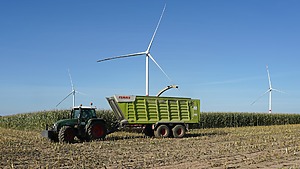
Global biofuel output is expected to rise nearly 70% by 2030 from 2025, according to a new study by Chatham House and the Forest Stewardship Council. Major economies are driving the increase by raising biofuel blending mandates in response to the energy crisis triggered by the war in Iran.
Brazil, China, India, Indonesia, the U.S., and the EU have proposed or adopted higher mandates. If all are implemented, land used for biofuel feedstocks could more than double from 2023 levels. An additional 36 million hectares would be needed, roughly the size of Germany.
The study warned that demand could outpace environmental safeguards and increase pressure on food supplies. “Some policy responses may be trading off against increased food insecurity,” the authors said. First-generation biofuels made from crops such as corn and sugarcane pose the greatest risks to land, food security and water use.
Oil prices have risen nearly 40% since the Iran war began, while sugar and corn prices have gained about 20%.
Related Articles
Here is a list of articles selected by our Editorial Board that have gained significant interest from the public:
California introduces new oversight rules for data centers
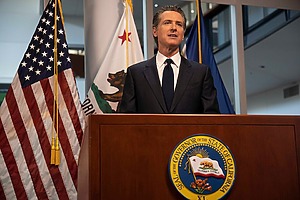
California Governor Gavin Newsom has signed seven bills tightening oversight of the state’s fast-growing data center industry as communities push back against AI-linked development.
The measures require data centers to disclose electricity use, water consumption, land use, and workforce needs. They aim to prevent the cost of new power generation and grid upgrades from being passed to other electricity customers, while requiring facilities to meet state energy procurement rules.
“With these laws, we are ensuring that Californians remain in the driver’s seat,” Newsom said, adding that data center operators should not profit “at our expense.”
The Data Center Coalition warned the rules could deter investment and push projects to neighboring states, citing “significant uncertainty” and potentially duplicative requirements.

Victoria proposes renewable power rules for new data centers

Australia’s Victoria state has proposed requiring new data centers to secure their own renewable power and energy storage as part of a plan to limit the sector’s strain on infrastructure.
The rules would also require developers to pay for grid connections and network upgrades, and to use recycled or non-drinking water for cooling. Data centers would be barred from residential areas, near schools and childcare centers, and in rural areas unable to support the necessary infrastructure.
Premier Ben Carroll called the proposals the “strongest, clearest data center rules in the country.” The measures come as Australia anticipates up to A$150 billion ($106.5 billion) in data center investment by 2030.
Editor’s Note: The opinions expressed here by the authors are their own, not those of impakter.com — Cover Photo Credit: Yunus Terk