Today’s ESG Updates
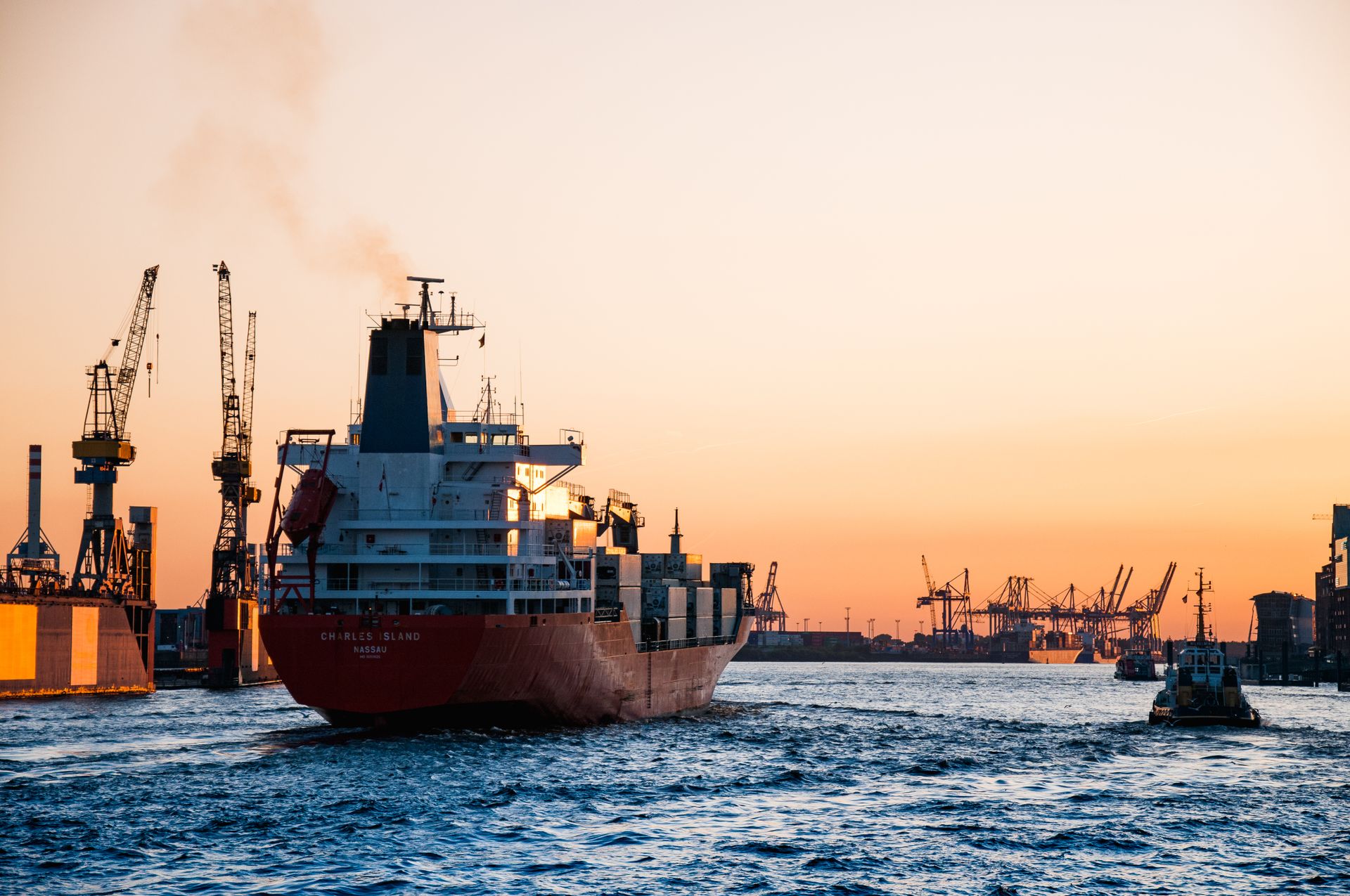
- Marine Biodiesel Hits Record Low, Undercuts Fossil Fuels: A surprising price reversal in Rotterdam is making biofuels cheaper than most conventional shipping fuels, potentially accelerating the industry’s shift away from fossil fuels.
- Poorest Tropical Regions Will Be Last to Benefit From Net Zero, Study Finds: New research shows warming inequality between rich and poor nations will persist indefinitely even after global emissions reach net zero.
- The West Falls Behind China in the Race for Sodium-Ion Batteries: China holds over 400 gigawatt hours of sodium-ion capacity versus just 11 elsewhere, as Western startups struggle to compete.
- Albanese’s Climate Speech Draws Fire for Dodging Fossil Fuels: The Australian PM’s UN address on climate security omitted any mention of the nation’s ongoing fossil fuel expansion, drawing sharp criticism.
Marine biodiesel hits record low, undercuts fossil fuels
Marine biodiesel prices have hit an all-time low in Rotterdam, falling to $985 a tonne on Monday before rebounding to $1,240, according to pricing agency Argus, as producers cut prices to boost sales and meet EU emissions targets. That’s cheaper than most conventional shipping fuels once carbon compliance costs are factored in, with marine gasoil having soared to $1,528.50 a tonne amid Iran war-driven disruption, up from $714.50 before the conflict began.
Analysts say the price reversal could accelerate the industry’s shift toward biofuels, which already work as a “drop-in solution” for most modern engines with little retrofitting, according to DNV’s Jason Stefanatos. Rotterdam biodiesel sales more than doubled quarter-on-quarter, driven by rising diesel costs and new Dutch rules implementing the EU’s Renewable Energy Directive III. Still, biofuels remain a small share of global shipping fuel, at roughly 0.6%, constrained by competition for feedstocks with other sectors and EU sourcing restrictions.
Klimado – Navigating climate complexity just got easier. Klimado offers a user-friendly platform for tracking local and global environmental shifts, making it an essential tool for climate-aware individuals and organizations.
Poorest tropical regions will be last to benefit from net zero, study finds
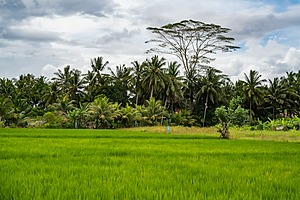
New research shows the world’s poorest tropical regions will be among the last to benefit even if global emissions reach net zero, according to University of Melbourne scientists led by Dr Andrew King. Temperatures have risen more sharply in tropical areas relative to their historic range than in wealthier nations at higher latitudes, and this inequality would persist indefinitely at net zero, only beginning to reverse over “many decades” under a net-negative emissions scenario.
King said the damage already locked in means reaching net zero sooner is critical to limiting long-term inequality. Separately, a UN refugee agency report warned climate change is increasing statelessness risk, particularly for Pacific island nations losing land to rising seas, recommending better citizenship protections for affected children.
Related Articles
Here is a list of articles selected by our Editorial Board that have gained significant interest from the public:
The West falls behind China in the race for sodium-ion batteries

The West is falling behind China in sodium-ion batteries, a saltwater-based technology that could rival lithium-ion for EVs and backup power. China holds over 400 gigawatt hours of sodium-ion capacity versus just 11 elsewhere, per CRU Group, with scaling costs exceeding $100 million per plant deterring Western investment. Several startups, including Natron Energy and Bedrock Materials, have already collapsed.
The technology offers safety and cold-weather advantages, though lower energy density, making it suited to storage, data centres and smaller vehicles, with UBS forecasting cost parity with lithium-ion by 2027. A handful of Western players like GM and Tiamat Energy are pushing forward, but remain dwarfed by Chinese scale, leading some to question whether adapting existing Chinese technology makes more sense than competing head-on.

Albanese’s climate speech draws fire for dodging fossil fuels

Anthony Albanese, Australia’s Prime Minister, told a Climate Week event in New York that Australia understands the urgency of climate action as much as any country, in a speech titled “climate security is the new national security.” Delivered two months before Australia chairs COP31, the address notably avoided fossil fuel expansion, drawing sharp criticism from climate and security experts, since the government has approved 37 new or expanded fossil fuel developments since 2022.
The Australian Security Leaders Climate Group said real leadership requires Australia to “end the contradiction of expanding fossil fuels while claiming climate leadership.” Albanese touted a 62 to 70% emissions cut target by 2035 and growing renewables and battery uptake. Critics including Catherine Abreu called the speech “long on rhetoric and short on substance,” while Larissa Baldwin Roberts called it “shameful” given continued coal and gas approvals.
Editor’s Note: The opinions expressed here by the authors are their own, not those of impakter.com — Cover Photo Credit: Martin Damboldt.