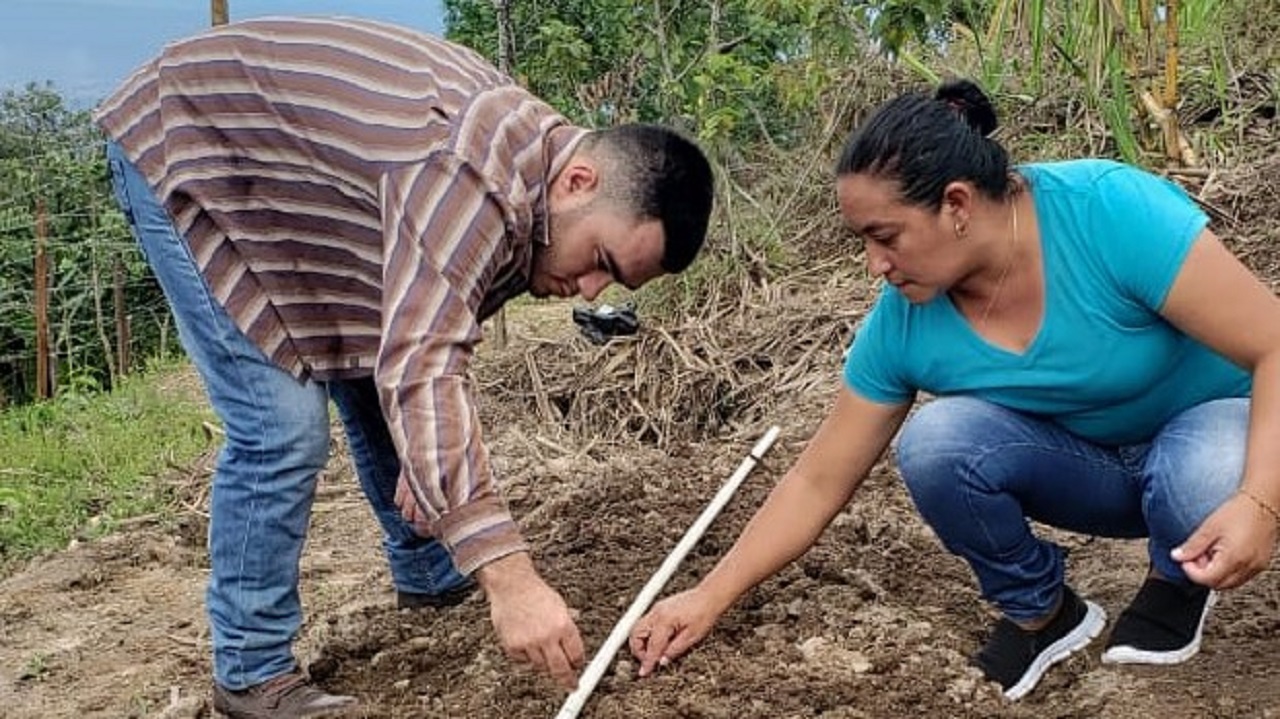
Since 2007, the all-women AMPROCAL coffee cooperative in Ocotepeque, Honduras has worked hard to connect farmers with higher prices for their coffee on the international market. Starting with just eight members, they’ve grown to over 150 today. That means they’re able to improve livelihoods and grow inclusion for more farmers across the region.

For the last four years, Root Capital has been a proud partner in that growth, providing $750,000 in cumulative financing to the cooperative. Paired with training on accounting systems and leadership, we’re supporting AMPROCAL’s staff as they grow a healthy and sustainable business. Now, we’re using flexible funding and tailored advisory services so AMPROCAL can adapt to the dual threats of COVID-19 and climate change.
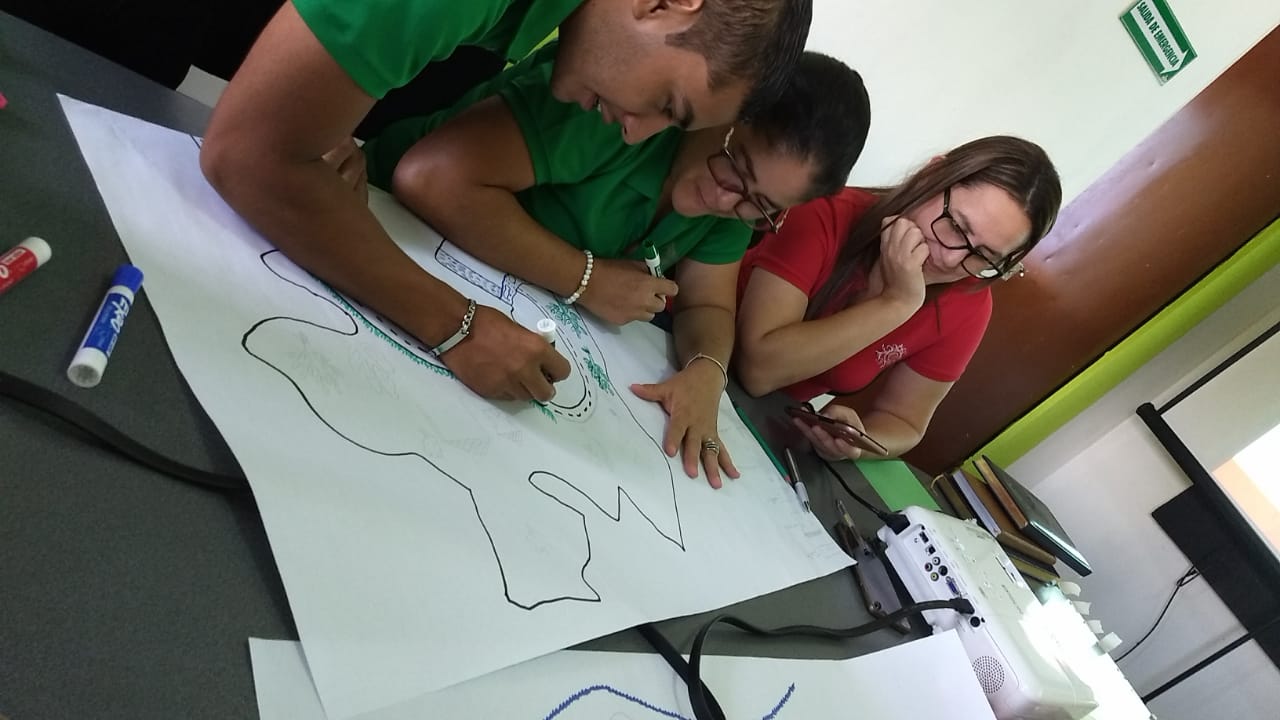
Climate change disproportionately impacts rural women. In the case of AMPROCAL’s farmers, living in a vulnerable ecosystem heightens their risk. The temperature in Ocotepeque has risen by 0.7 °C (1-2 °F) over the last 30 years. The impacts of this shift are already being felt by women farmers in the lowlands where higher temperatures and extreme weather events threaten to make coffee an unsustainable crop.
Related Articles: Women In Agriculture Initiative | One Coop’s Pandemic Response | What COVID Means for Agriculture Investment
In January, AMPROCAL received a Gender Equity Grant (GEG) from Root Capital to support women’s adaptation to these climate challenges. Our GEGs, first piloted in Kenya, are aimed at enhancing womens’ inclusion in agriculture and improving their outcomes. We guide our clients through a participatory GEG project design process, ensuring solutions that are truly community-led and tailored to the unique challenges of each community. And, because investments in gender inclusion are often difficult for cash-strapped agricultural businesses to make, the implementation of successful proposals is subsidized with grant funding from our philanthropic partners.
In the face of depressed coffee yields caused by climate change, the women leaders and farmers of AMPROCAL knew they needed to boost their incomes, especially for those in lowland communities. Their project proposed equipping farmers in the short term with organic fertilizer to improve plant health and yields while preserving the local ecosystem. In the long term, the project would contribute to income diversification for farmers by distributing banana seedlings so women members could sell fruit to the local market. To support these efforts, the cooperative planned to establish demonstration farms where members could see good agricultural practices in action. Working with our donor partners, Root Capital approved a $20,000 GEG and AMPROCAL began to carry out their plan.
Then, the COVID-19 pandemic hit Honduras.
In early March, as the world was reeling from the health and economic impacts of the virus, AMPROCAL sprang into action. Like many in their community, the women who lead the cooperative feared food shortages caused by pandemic-related travel and market restrictions. In the wake of their recent harvest, farmers were well-equipped to withstand the first month of the pandemic, but they worried what would happen if the pandemic stretched on.
Access to food has proved a challenge over the past half year as prices for some staple goods in Ocotopeque have doubled—a trend that holds true for farm inputs like fertilizer and seeds as well. Women of the cooperative are primarily responsible for feeding their families, even if it means risking their lives to journey into town. And this has an invisible toll. “Stress has increased due to fear of catching the virus if you go outside,” explains Yeny Yamilet Salazar Reyes, General Manager of AMPROCAL. “And if they stay in the house, they aren’t earning the income they need.” Yeny goes on: “This added stress affects women members mentally.”
The women of AMPROCAL understand that COVID-19 and climate change are intricately linked—they cannot adapt to the latter unless they survive the former. So they came to Root Capital with a request: convert a portion of their GEG into emergency COVID-19 relief to ensure farmers can build resilience in the face of both challenges.
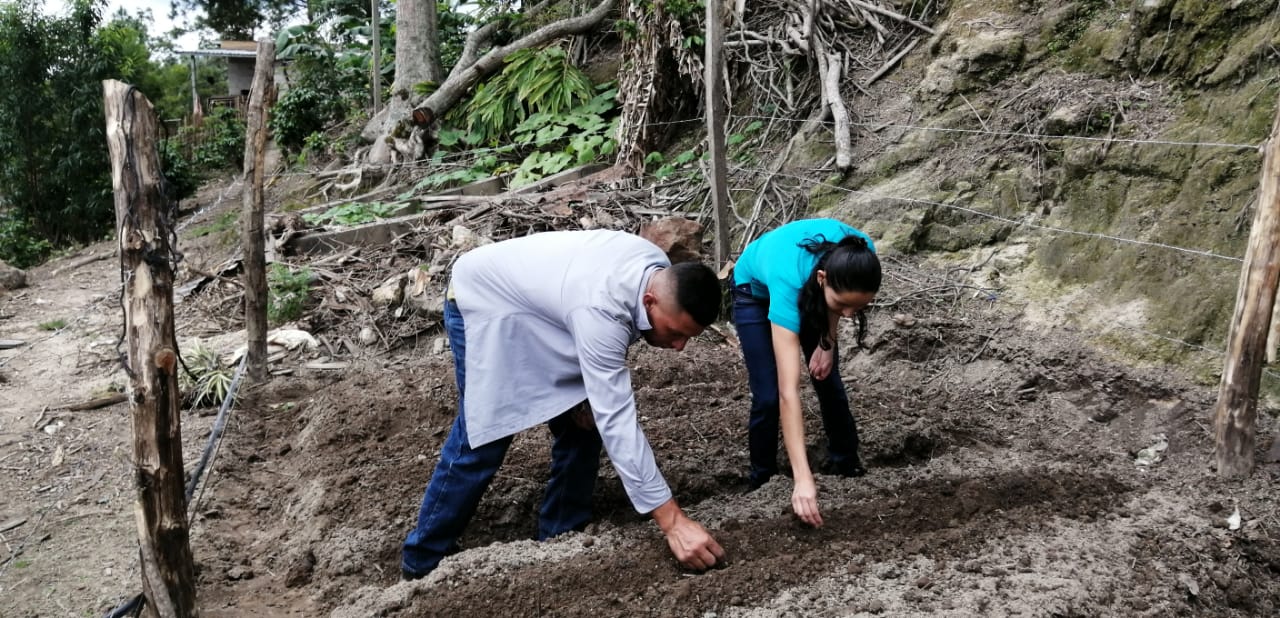
With advisory support from our team, AMPROCAL used a portion of their grant to set up organic family food gardens. The cooperative was already experienced in delivering farm inputs and technical training to their members. Now, instead of banana seedlings for income diversification, the cooperative delivered seeds to grow nutritious vegetables and grains for their own consumption. In total, the cooperative was able to reach nearly half of its farmers with seeds, materials, and instructions for these gardens, safeguarding the food security of hundreds of family members.
AMPROCAL is now preparing for the upcoming harvest, this time readier and more resilient for the challenges ahead. But the challenges for women farmers continue. “In this new normal, women have had to undertake new work around the house to mitigate the virus, constantly disinfecting their homes,” Yeny explains. “Women have an overload of work because they are the providers of safety and education,” roles that have become more labor-intensive—and critical—during the pandemic. In addition to our latest loan, Root Capital recently provided AMPROCAL with another $10,000 resilience grant with the support of the Walmart Foundation. Combined with the cooperative’s own contribution of $1,500, this grant is enabling AMPROCAL to deliver kits with sanitizer, soap, vitamins, masks, and food staples to all of its members.
The months ahead remain uncertain for the people of Ocotopeque, but by thinking on their feet, the women of AMPROCAL have ensured that hundreds in the community are resilient and healthy for the challenges to come.
Editor’s Note: The opinions expressed here by Impakter.com contributors are their own, not those of Impakter.com.