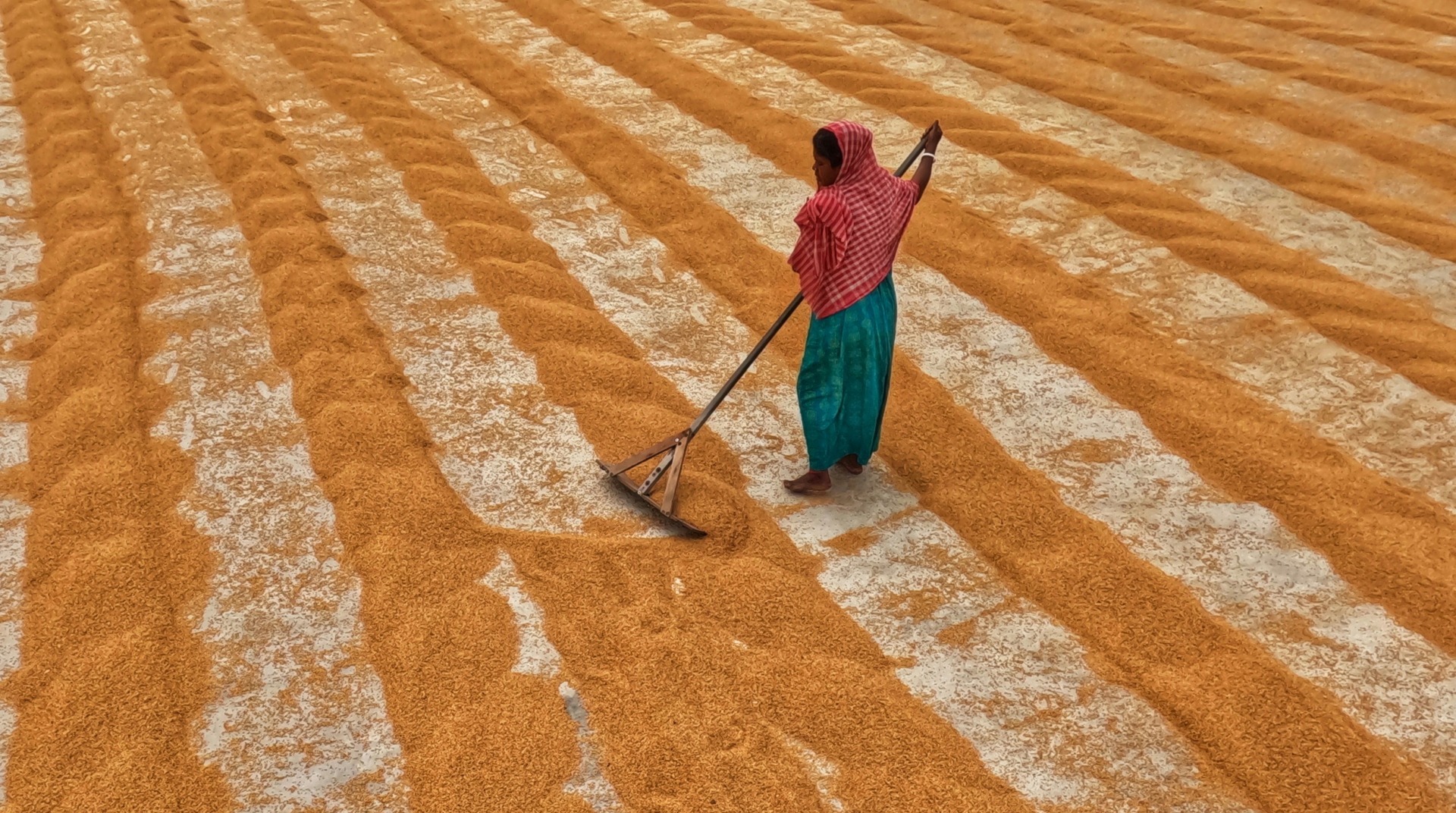
One of the more damaging impacts of climate change is extreme heat. From Spain to Bolivia to Burkina Faso, unusual and often unpredictable heat is disrupting life. Perhaps most significant, extreme heat is making it increasingly difficult for households and communities to lift themselves from poverty.
High temperatures prevent regular operation of businesses and can lead to loss of income. Drought undermines farmers’ ability to feed their families and sell their surplus output, also reducing incomes. The construction of roads and bridges is delayed, slowing the development of larger markets that enable producers to scale their operations and sales.
Nowhere are these disruptions and negative impacts on economic development more apparent than in India. Over the decades, summers have gotten longer and hotter. Average temperatures can hover around 105 degrees Fahrenheit, or 40 Celsius, between March and June. Last summer, temperatures reached 120 degrees. More than a billion Indians now face annual heat waves. Hundreds of millions of them work in the informal and agricultural sectors, working outdoors or in factories without air conditioning.
Every year, thousands of Indian farmers and workers suffer from dehydration, stroke or even death. The long-term effects of ever-increasing extreme heat can be even more threatening. The physiological stress of long term heat exposure can lead to chronic illnesses and increase morbidity and mortality.
As challenging as this is for Indian society as a whole, it is especially problematic for women.
More than 90% of working women in India are in the informal sector. Some can lose as much as 60% of their income during the hot summer months because their working hours are reduced by almost half. Many women have to abandon their work in a factory or farm when it gets too hot.
A day’s lost wages or sale of produce in a local market can be a day’s lost meal. A prolonged spell of no work can force women to turn to local lenders and borrow at high interest rates to pay for food, rent, electricity and other basics. This creates a debt trap that often makes it impossible for a family to escape poverty. While this type of debt trap is common in low-income countries — extreme heat as a driver is a relatively new phenomenon.
These conditions are having particularly harsh effects in Bihar, India’s poorest state. There, most people, including women, work in the agricultural sector. That means working outside most of the time. Given the region’s poverty, many men travel to other states or even out of the country for work. This leaves many women alone to tend farms, sell any surplus produce, raise children and do all the other tasks involved in running households. Any lost work days and income lost to excessive temperatures can quickly put an entire family at risk of hunger and keep the dream of escaping poverty beyond reach.
The good news is, there are effective heat-related measures being implemented as part of holistic economic development projects in Bihar and neighboring Uttar Pradesh. The Rural Development Trust (RDT) is one of our partners in Bihar. This community-based group works with 5,000 households on comprehensive efforts to catalyze economic development.
Women join savings and credit groups, in which they invest small amounts each month. When a group amasses enough capital, members borrow at very low interest rates. Loans are invested in simple innovations to increase agricultural output and productivity, start small businesses, pay childrens’ school fees and meet other needs. In addition, members receive training on how to produce organic fertilizers and pesticides, how to conserve water and other measures to increase climate resilience.
Related Articles
Here is a list of articles selected by our Editorial Board that have gained significant interest from the public:
- Heatwaves and Floods Affect Rural Women and Men Differently
- Connections That Matter: Climate Change and Gender Equality
- Water Is the Way: Empowering Women Through Access to Safe Water
- For Women’s Health, Climate Change and Inequality Are a Dangerous Combination
- Extreme Heat Makes Pregnancy More Dangerous
As part of hygiene and health trainings, the RDT also teaches members about extreme heat and its impact on the human body. Many women have never learned about dehydration and its connection to dizzy spells, fatigue and heat stroke. After these trainings, women farmers are aware of the need to drink water at regular intervals. They now carry with them while they work. Women have learned to make electrolytes using a mixture of water, sugar, salt, lemon and “muri,” or puffed rice, a cheap source of carbohydrates.
These measures are simple and easy to learn. For millions of women and others around the world, especially those in low-income countries, adapting to extreme heat and other extreme weather begins with simple and inexpensive changes. That’s not to suggest adaptation ends there. Far from it. But helping women in rural communities learn how to protect and improve health; adopt agricultural practices that reduce chemical inputs, protect soil and conserve water; access and make use of climate-related public resources; and related initiatives can be the difference between entrenched poverty and a better future.
Investing in basic climate resilience in Bihar and similar low-income areas is an especially effective and cost-efficient way to limit climate change’s ill effects on women and their efforts to escape poverty. Governments, foundations and others need to place such community-led initiatives front and center as the world learns to adapt to climate-induced changes that appear here to stay.