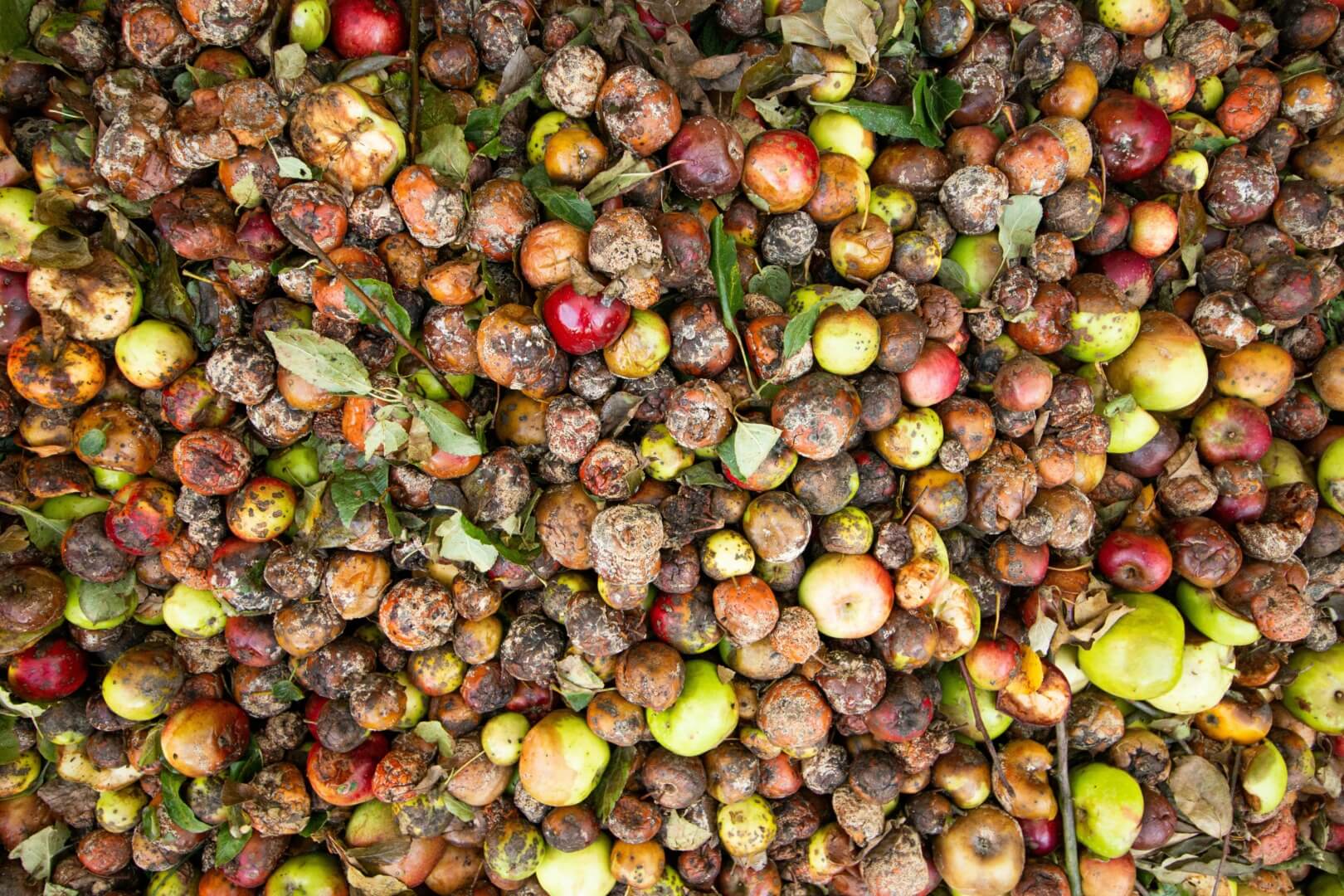
To mark the International Day of Awareness of Food Loss and Waste 2025, the Food and Agriculture Organization of the United Nations (FAO) highlighted that reducing food loss and waste generates numerous socioeconomic and environmental benefits and called for targeted investments across the agrifood value chain.
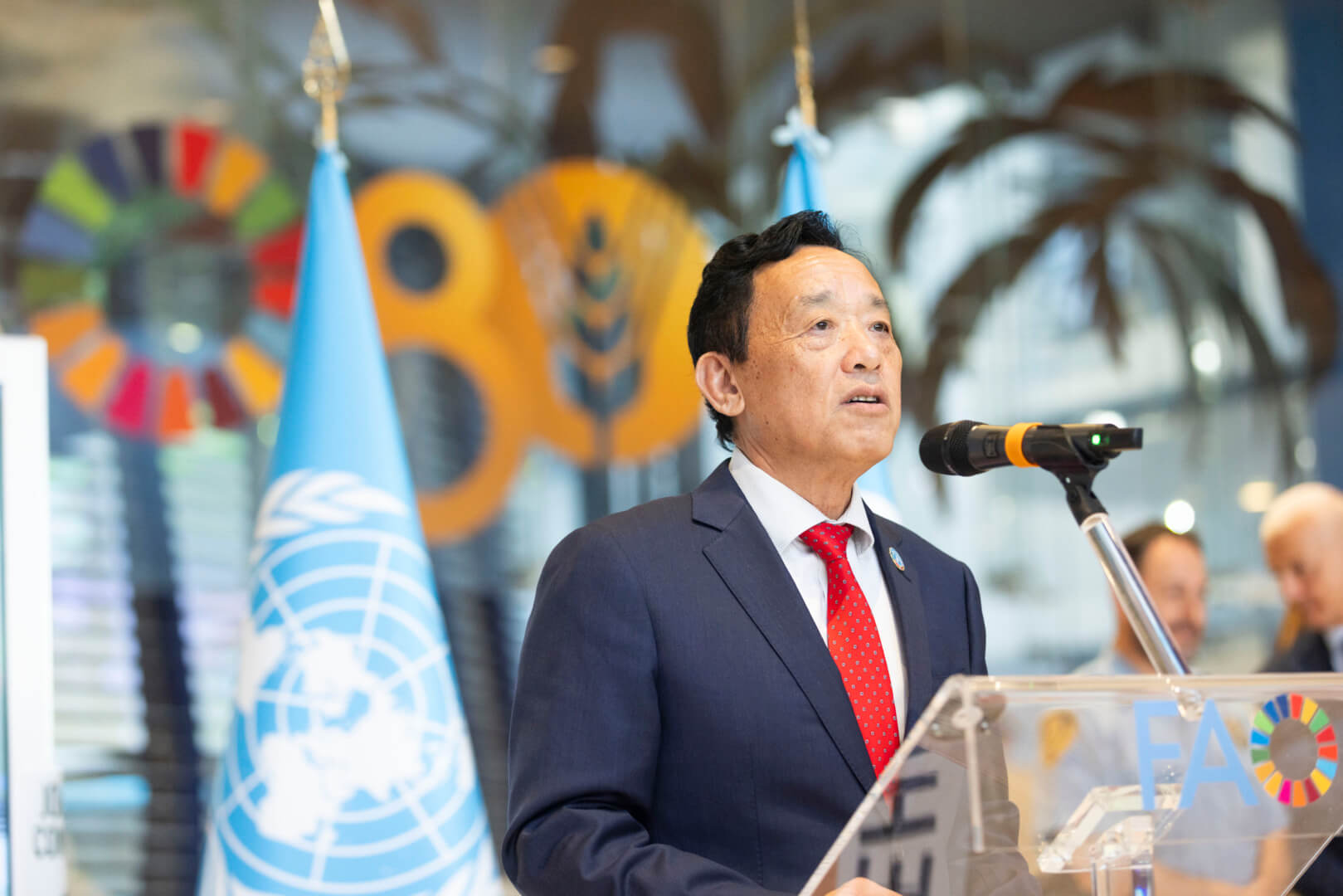
“By taking action to prevent and reduce food loss and waste, we can generate triple wins: improving food security and nutrition, providing economic benefits for primary producers, businesses, and consumers, and lowering environmental and climate impacts while protecting biodiversity and reducing pollution,” said QU Dongyu, FAO Director-General, in a video message at a special event co-organized with the UN Environment Programme (UNEP) at FAO headquarters in Rome.
Qu noted that to fully realize these benefits, a diverse range of targeted investments across the value chain is necessary, particularly in low- and middle-income countries, where food insecurity and malnutrition are most prevalent.
Key investment areas include: i) infrastructure development to minimize food losses; ii) innovative technologies to track and reduce food loss and waste; iii) implementation of circular economy approaches that maximize food utilization; and iv) enhancing the capacity of stakeholders to reduce food losses and waste and educating consumers to effectively reduce food waste.
Currently, an estimated 13.2% of food — equivalent to 1.25 billion tonnes — is lost after harvest and before reaching retail. Additionally, in 2022, over 1 billion tonnes (19%) of food was wasted in households, food services, and retail. While at the same time, an estimated 8.2% of the global population, or about 673 million people, experienced hunger in 2024, and 2.6 billion could not afford a healthy diet.
Innovation and Collaboration
In his video-message, the FAO Director-General announced, in addition to last year’s launch of the Food Loss App (FLAPP) the creation of Optiwaste, a digital application that facilitates the registration and analysis of food waste in schools, serving as a foundation for improving the nutritional quality of school meals and reducing food waste.
Qu also emphasized that addressing food loss and waste is a systemic challenge that requires collaboration from all sectors.
“Strong partnerships with the private sector are particularly important in unlocking the investments and strengthening the capacity needed to enable the adoption of new technologies and innovations,” he said. “Accelerating actions to reduce food loss and waste is now a matter of urgency, and a priority, to ensure a sustainable foods-secure future for all.”
Related Articles: How to Reduce Food Waste | Food Waste and All the Symptoms of Unsustainable Food Systems | Where the Wind Carries Hunger | Investing in Our Lands
The event, which marked the 6th International Day of Awareness of Food Loss and Waste, showcased concrete actions and case studies from Ethiopia, Thailand, Argentina, and the Dominican Republic that aim to measurably reduce food loss and waste. A panel discussion highlighted the successes achieved by public and private institutions in effectively tackling these issues.
Alongside the global event, FAO headquarters is hosting an exhibition that brings together the Organization’s collective efforts, spotlighting work on food loss measurement and initiatives aligned with the Science and Innovation Strategy. The exhibition highlights advanced tools, comprehensive data, and innovative technologies that enhance the efficiency and sustainability of agrifood systems, while illustrating how FAO’s initiatives contribute to climate action and the improvement of livelihoods worldwide.
** **
This article was originally published by the Food and Agriculture Organization of the United Nations (FAO) and is republished here as part of our editorial collaboration with the FAO.
Editor’s Note: The opinions expressed here by the authors are their own, not those of Impakter.com — Cover Photo Credit: Marek Studzinski.