Today’s ESG Updates
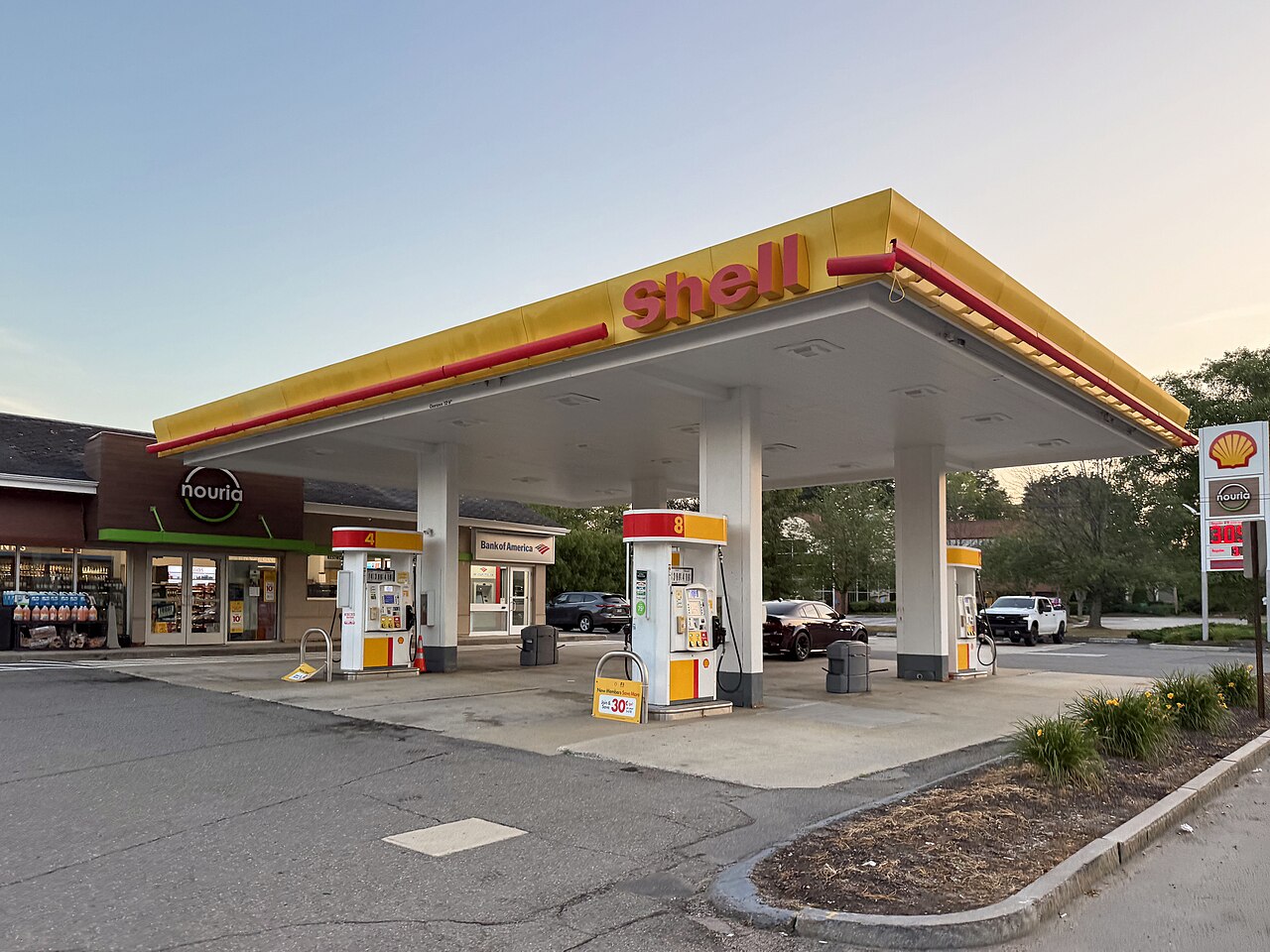
- Shell Profits Surge Amid Energy Market Disruption: Higher oil prices linked to Middle East conflict helped Shell post $6.9bn in Q1 profit, prompting criticism from climate activists over “windfall” earnings.
- Japan and UAE Deepen Energy Cooperation: Tokyo and Abu Dhabi agreed to expand joint oil stockpiles and strengthen crude supply arrangements to improve regional energy security.
- Norway Approves North Sea Gasfield Reopening: Oslo will invest 19bn kroner to restart three dormant gasfields and open 70 new exploration areas to boost European energy supply.
- Eni Advances Major Indonesian Gas Discovery: Strong test results from the Geliga-1 offshore well support fast-track development plans as Eni expands its Southeast Asian gas portfolio.
Shell profits hit $6.9bn amid global conflict
Shell made a profit of $6.9bn (£5bn) in the first quarter, beating analysts’ expectations of $6.4bn. These profits represent a 115% jump from the $3.2bn reported in the final three months of 2025. First-quarter profits were 24% higher than the $5.6bn recorded during the same period a year earlier.
The disruption of energy flows through the Strait of Hormuz caused international crude prices to rise from $61 a barrel in January to a high of $119. Market prices for oil remain more than 50% higher than last year, despite briefly falling below $100 on hopes of a peace deal.
Shell investors will receive a 5% dividend hike following these results. BP also reported better-than-expected profits of $3.2bn for the first quarter, more than double the $1.38bn made in the same period last year.
The campaign group Fossil Free London had people assembled outside Shell’s London headquarters, where they protested the company’s “blood money” profits, given the fact that the conflict in the Middle East has claimed the lives of approximately 2,000 people.
***
Further reading: Climate campaigners attack Shell over ‘windfall’ profits from Iran war
Klimado – Navigating climate complexity just got easier. Klimado offers a user-friendly platform for tracking local and global environmental shifts, making it an essential tool for climate-aware individuals and organizations.
Japan and UAE strengthen strategic energy ties

Tokyo and the United Arab Emirates agreed in ministerial talks to advance energy cooperation by expanding joint crude oil stockpiles in Japan and increasing UAE crude supplies. Japan’s Economy, Trade, and Industry Minister Ryosei Akazawa visited Saudi Arabia and the UAE from May 4 to May 5 to discuss strengthening energy security and stable supplies. Minister Akazawa proposed expanding joint reserves in Japan and oil stockpiles across Asia during a May 5 meeting with ADNOC CEO Sultan Al Jaber. The proposal included a collaboration to restore and expand crude output and transport capacity, including the development of alternative routes.
Reports from Nikkei indicated that Japan may procure an additional 20 million barrels of oil from the UAE, though officials stated specific volumes will be discussed later. Ministers from Japan and Saudi Arabia also agreed to boost energy resilience ties during the diplomatic visit.
***
Further reading: Japan, UAE agree to hold talks on expanded oil supply and joint stockpiles
Related Articles
Here is a list of articles selected by our Editorial Board that have gained significant interest from the public:
Norway to reopen North Sea gasfields to bolster European energy
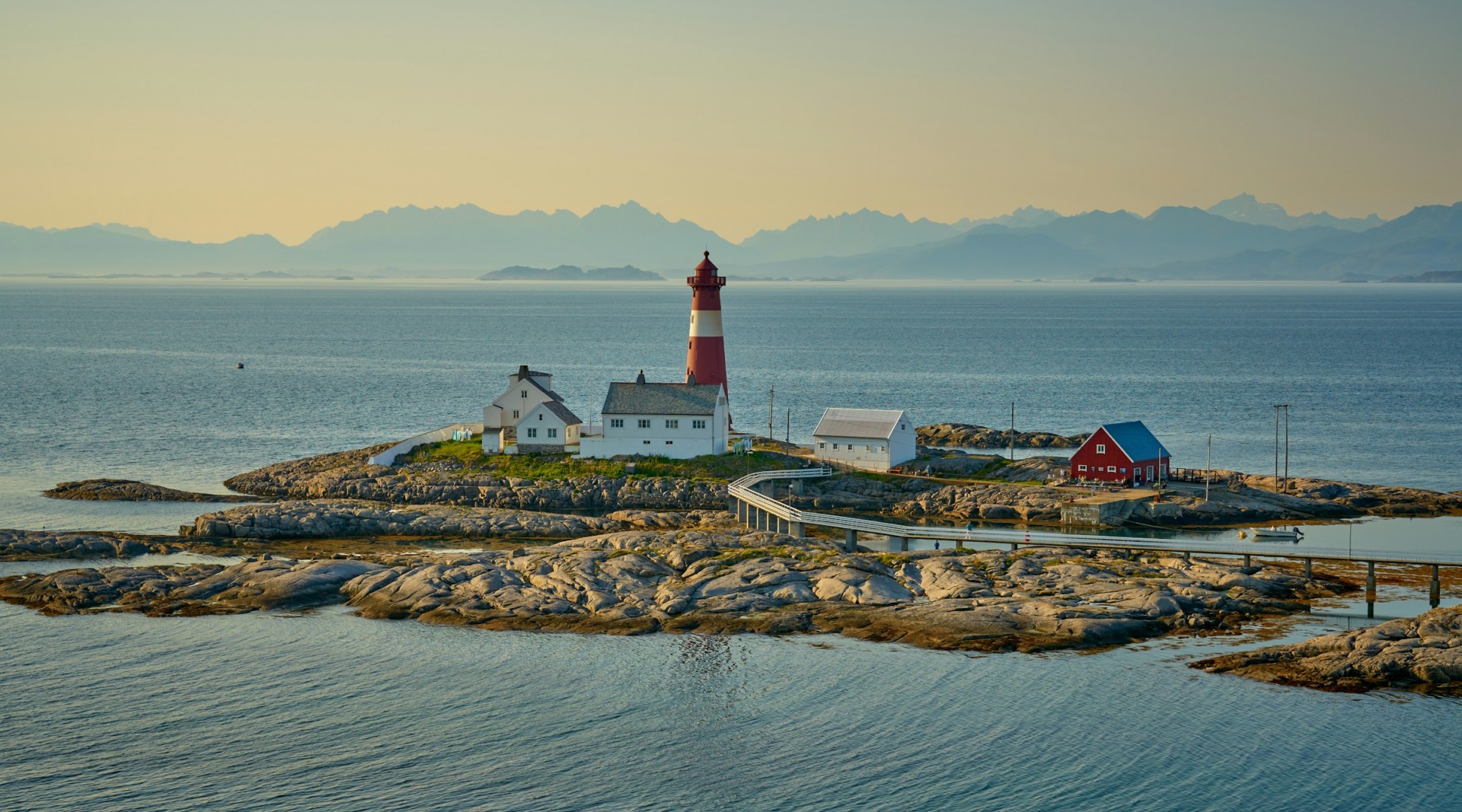
The Norwegian government has approved plans to reopen three North Sea gasfields: Albuskjell, Vest Ekofisk, and Tommeliten Gamma. The decision is intended to help fill energy gaps caused by the war in the Middle East. Oslo has also authorized oil and gas companies to explore in 70 new locations across the North Sea, Barents Sea, and Norwegian Sea. The government plans to spend 19bn kroner (£1.5bn) to restart the three gasfields, which have been closed since 1998. Production at these reopened fields is expected to begin by the end of 2028 and continue until 2048. Under the new exploration plans, companies have until September 1 to apply for licenses, which will be granted early next year.
The decision to expand production runs counter to the advice of Norway’s own environmental agency and has drawn sharp criticism from the Socialist Left party. The expanded gas production will be sent to Germany via pipeline, while light oil from the project will be sent to the UK.
***
Further reading: Norwegian government attacked over decision to reopen North Sea gasfields

Eni unlocks key Indonesian gas discovery via Geliga-1 well
Eni announced that the Geliga-1 gas discovery offshore Indonesia delivered strong test results, confirming high reservoir productivity and supporting potential fast-track development. The Geliga-1 well is estimated to produce a sustainable rate of approximately 200 million standard cubic feet per day of gas and about 10,000 barrels per day of condensate.
Eni operates the Ganal PSC with an 82% interest, while China’s Sinopec holds the remaining 18% stake. The Ganal PSC is part of a 19-block portfolio, 14 of which are in Indonesia and the remaining 5 in Malaysia, that will be transferred to a new company called Searah. Searah is jointly controlled by Eni and Malaysia’s Petronas and is expected to start operations by the end of June. The business plan for Searah includes developing approximately 3 billion barrels of oil equivalent of discovered resources.
A sale of a 10% stake in the Eni Indonesia portfolio is currently underway and is expected to be concluded in 2026. Eni intends to submit a development plan for the Geliga discovery to the Indonesian government in the coming weeks.
***
Further reading: Eni’s Geliga-1 gas discovery posts strong test results offshore Indonesia
Editor’s Note: The opinions expressed here by the authors are their own, not those of impakter.com — In the Cover Photo: Shell gas station in New Hampshire, USA. Cover Photo Credit: Wikimedia Commons.