Today’s ESG Updates
- Engie Maintains Middle East Growth Plans: French utility says ongoing regional conflict linked to the Iran war will not alter its long-term energy investment strategy.
- Statkraft Reports Higher Q1 Profit: Rising Nordic electricity prices driven by cold weather and lower wind generation boosted earnings at Norway’s largest utility.
- France Prepares Airline Support Measures: Financial aid is being discussed as European carriers face mounting pressure from rising jet fuel prices and potential supply shortages.
- Rio Tinto Faces Scrutiny Over Water Extraction: Aboriginal groups in Western Australia say long-term mining-related water use has caused a sacred waterhole to dry up for the first time in living memory.
Engie stands by Middle East growth strategy amid tensions
French utility Engie has confirmed that its development strategy in the Middle East will remain unchanged despite disruptions caused by the ongoing Iran war. The company said the region remains part of its broader long-term growth plans, even as geopolitical instability affects parts of the energy sector.
Speaking to reporters, Chief Financial Officer Pierre-Francois Riolacci said the company was not considering any revisions to its regional strategy. While the Middle East accounts for a smaller share of Engie’s overall portfolio, the company continues to pursue investment and asset development opportunities in the region. The comments reflect continued confidence among major energy firms operating in politically volatile markets.
***
Further reading: French utility Engie not changing Middle East strategy despite disruptions
Klimado – Navigating climate complexity just got easier. Klimado offers a user-friendly platform for tracking local and global environmental shifts, making it an essential tool for climate-aware individuals and organizations.
Soaring energy prices boost Statkraft’s quarterly earnings
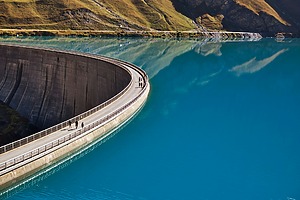
Norwegian state-owned utility Statkraft has reported a rise in underlying operating profit for the first quarter, supported by sharply higher electricity prices across the Nordic energy market. Underlying profit before interest and tax increased to 11.6 billion Norwegian crowns, up from 9.0 billion crowns during the same period last year.
The increase was attributed to colder weather, weaker wind power generation, and lower reservoir and snow levels, which put pressure on the regional electricity supply. Continued geopolitical uncertainty and volatility in European energy markets were also said to have influenced results. According to the company, stronger contributions from its trading and markets division further supported quarterly performance.
***
Further reading: Norwegian utility Statkraft’s Q1 underlying profit rises on soaring power prices
Related Articles
Here is a list of articles selected by our Editorial Board that have gained significant interest from the public:
French government moves to ease pressure on airlines

The French government is preparing financial support measures for airlines affected by rising jet fuel prices, amid growing concerns about wider disruption to the European aviation sector. Transport Minister Philippe Tabarot said discussions with airlines had led to progress on several forms of assistance, including delayed social security contributions, extended tax payment deadlines, and greater flexibility on fuel loads.
The measures come as European carriers warn that fuel shortages could emerge within weeks due to the ongoing war in Iran. Europe remains heavily reliant on Middle Eastern jet fuel imports, increasing its exposure to regional instability. Government support is expected to help airlines manage operational and financial pressures during the peak summer travel period.
***
Further reading: France preps aid for airlines hit by jet fuel price hikes

Rio Tinto faces criticism over sacred Pilbara water source
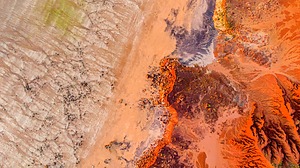
A sacred Aboriginal waterhole in Western Australia has reportedly dried up for the first time in living memory, with the Robe River Kuruma Traditional Owners blaming long-term water extraction linked to Rio Tinto’s mining operations. Representatives of the group raised concerns during the company’s annual general meeting, arguing that unsustainable pumping had caused serious environmental and cultural harm across the West Pilbara region.
Rio Tinto acknowledged pressure on regional water systems, citing years of below-average rainfall and reduced groundwater recharge. The company said it was working to restore water supplies and reduce future extraction. The incident has renewed scrutiny over Rio Tinto’s environmental practices and its relationship with Indigenous communities in Australia.
***
Further reading: Rio Tinto’s water use dries sacred waterhole, Aboriginal group says
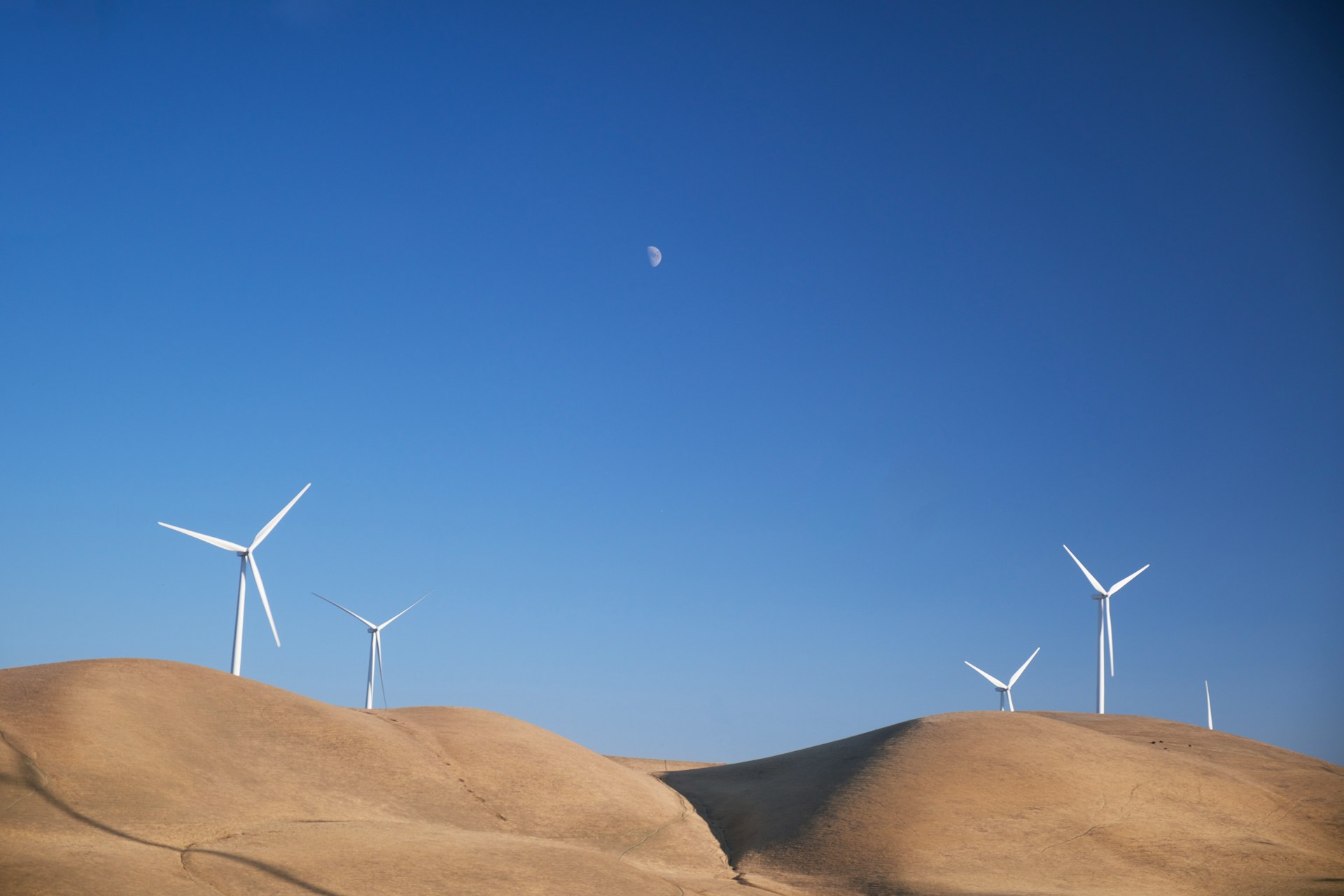
Editor’s Note: The opinions expressed here by the authors are their own, not those of impakter.com — In the Cover Photo: Wind turbines on sand. Cover Photo Credit: Ju Guan.