
Today’s ESG Updates
- Australia Sues 3M Over PFAS Contamination: Australia launched legal action seeking more than A$2 billion in damages against 3M over contamination linked to PFAS firefighting foam used at defence bases, adding to growing global scrutiny around “forever chemicals” and environmental liability.
- Extreme Heat Threatens German Economy: New analysis warned that persistent heatwaves could cost Germany up to $131 billion by 2030, with rising temperatures expected to reduce productivity, increase energy costs and place greater pressure on public finances.
- TotalEnergies Advances Normandy Wind Project: TotalEnergies filed for authorisation for a €4.5 billion offshore wind project in Normandy, reflecting continued investment in renewable energy infrastructure as European countries expand offshore wind capacity.
- US Regulator Probes Rivian Vehicle Safety Issue: U.S. safety regulators opened an investigation into nearly 115,000 Rivian vehicles over concerns involving rear toe-link failures, increasing scrutiny on safety standards and quality control in the electric vehicle sector.
Australia files PFAS lawsuit against 3M
Australia has launched legal action against 3M, seeking more than A$2 billion ($1.4 billion) in damages over contamination linked to PFAS-containing firefighting foam, often referred to as “forever chemicals.” The foam was used at 28 defense bases around the country, with authorities arguing that its use caused widespread environmental and economic damage.
Government officials said 3M had marketed the foam as safe, biodegradable, and non-toxic, even though internal testing allegedly identified harmful environmental impacts linked to the chemicals. Concerns surrounding PFAS contamination have continued to grow globally due to the chemicals’ persistence in ecosystems and links to serious health conditions, including liver damage and certain cancers. 3M said it would defend itself against the claims in court.
***
Further reading: Australia sues 3M for $1.4 billion over PFAS ‘forever chemicals’ contamination
Klimado – Navigating climate complexity just got easier. Klimado offers a user-friendly platform for tracking local and global environmental shifts, making it an essential tool for climate-aware individuals and organizations.
Extreme heat may cost Germany $131 billion by 2030

Germany could face economic losses of up to $131 billion by 2030 if recent patterns of extreme heat continue, according to new analysis from Allianz Trade. Rising temperatures are expected to reduce productivity, increase cooling costs, and place growing pressure on businesses and public finances.
The report estimated that productivity falls by around 3% for every degree above 30°C, while businesses also face rising energy costs as cooling demand increases. Allianz Trade warned that Germany’s economic output could shrink by up to 3% of GDP by 2030 if extreme heat patterns continue. The analysis placed Germany among the European economies most vulnerable to heat-related financial risks. Analysts also said countries that adapt more effectively to rising temperatures will likely be in a stronger position to protect long-term economic growth and competitiveness.
***
Further reading: Extreme heat could cost Germany up to $131 bln by 2030, analysis shows
Related Articles
Here is a list of articles selected by our Editorial Board that have gained significant interest from the public:
TotalEnergies seeks approval for Normandy wind farm
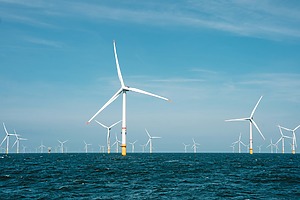
TotalEnergies has filed for authorization for a 1.5 gigawatt offshore wind project in Normandy, marking another major investment in large-scale renewable energy infrastructure. The French energy company said the development would require an investment of around €4.5 billion ($5.2 billion).
The project reflects wider efforts across Europe to increase offshore wind development and reduce reliance on higher-emission energy sources. Once completed, the wind farm is expected to contribute significantly to France’s renewable electricity supply while supporting regional employment and industrial activity. Offshore wind projects have continued to attract investment as governments and energy companies increase their focus on long-term energy security and emissions-reduction targets.
***
Further reading: TotalEnergies files for authorisation of €4.5 billion offshore wind project in Normandy

US safety regulator probes nearly 115,000 Rivian vehicles

US auto safety regulators have opened a preliminary investigation into nearly 115,000 Rivian electric vehicles over concerns linked to the rear toe link component. The probe affects the company’s R1S and R1T models after reports claimed the part separated while the vehicles were in motion, causing sudden swerving across multiple lanes.
According to the National Highway Traffic Safety Administration (NHTSA), one reported incident resulted in a collision involving another vehicle and a roadside barrier. Investigators will now assess how the rear toe link performs under normal road and service conditions while also reviewing Rivian’s existing repair procedures. The investigation adds to ongoing scrutiny surrounding vehicle safety and quality control in the growing electric vehicle market.
***
Further reading: US auto safety regulator opens probe into nearly 115,000 Rivian vehicles
Editor’s Note: The opinions expressed here by the authors are their own, not those of impakter.com — In the Cover Photo: Sydney, Australia Cover Photo Credit: Clark Van Der Beken