Impakter
  • Environment
    • Biodiversity
    • Climate Change
    • Circular Economy
    • Energy
  • FINANCE
    • ESG News
    • Sustainable Finance
    • Business
  • TECH
    • Start-up
    • AI & Machine Learning
    • Green Tech
  • Industry News
    • Entertainment
    • Food and Agriculture
    • Health
    • Politics & Foreign Affairs
    • Philanthropy
    • Science
    • Sport
  • Editorial Series
    • SDGs Series
    • Shape Your Future
    • Sustainable Cities
      • Copenhagen
      • San Francisco
      • Seattle
      • Sydney
  • About us
    • Company
    • Team
    • Global Leaders
    • Partners
    • Write for Impakter
    • Contact Us
    • Privacy Policy
No Result
View All Result
Impakter logo
No Result
View All Result
Red Sea Yemen

Red Sea Shipping Disruptions Likely to Exacerbate the Dire Humanitarian Situation in Yemen

FAO calls for immediate efforts to de-escalate tensions and facilitate the uninterrupted flow of commercial and humanitarian food supplies

The Food and Agriculture Organization of the United Nations (FAO)byThe Food and Agriculture Organization of the United Nations (FAO)
March 27, 2024
in Food and Agriculture
0

The escalation of the Red Sea crisis is poised to accelerate the increase in shipping costs, delay the delivery of essential food or lead to a complete suspension of trade routes and closure of Yemeni ports, a new report released by the Food and Agriculture Organization of the United Nations (FAO) finds. This will drive a further rise in food insecurity in Yemen, largely affecting the most vulnerable populations, including the poor and internally displaced, who will struggle to afford essential food items.

According to the Potential Impacts of Red Sea Crisis Escalation on Food Insecurity in Yemen report, the food security situation in Yemen is already fragile and further shocks emanating from the Red Sea crisis will cause additional harm to an already dire situation that can be described as one of the worst humanitarian emergencies in the world.

The latest Integrated Food Security Phase Classification (IPC) analysis reveals that almost 5 million people or 45% of the population analyzed in the Government of Yemen’s controlled areas is estimated to be in Crisis or worse (IPC Phase 3 and above).

Yemen relies heavily on imports for the food requirements of its population, with around 90% of its needs in staple cereals imported. According to the FAO report, if the current escalation is sustained for the next three months, imports will most likely slow down, affecting food availability and prices in the domestic markets.

While commenting on the key findings of the report, the FAO Representative in Yemen, Hussein Gadain, urged the international community to address the possible deterioration of the already severe humanitarian crisis in Yemen. He emphasized that the Red Sea conflict has erupted at a time when focus on Yemen is receding as humanitarian actors shift their attention and resources to other global hotspots, including Ukraine, Gaza and the Sudan.


Related Articles: Humanitarian Crisis in Yemen Has Millions ‘One Step Away’ From Famine | The Impact of Conflict on Climate Change Adaptation in Yemen 

“We cannot afford to wait until the humanitarian emergency worsens even further. This is the time to coordinate efforts and de-escalate the Red Sea crisis,” Gadain said. “We should facilitate an uninterrupted flow of commercial and essential humanitarian food supplies. This crisis, if not attended to, threatens to reverse the gains we have made in restoring livelihoods of Yemenis since the start of the conflict eight years ago.”

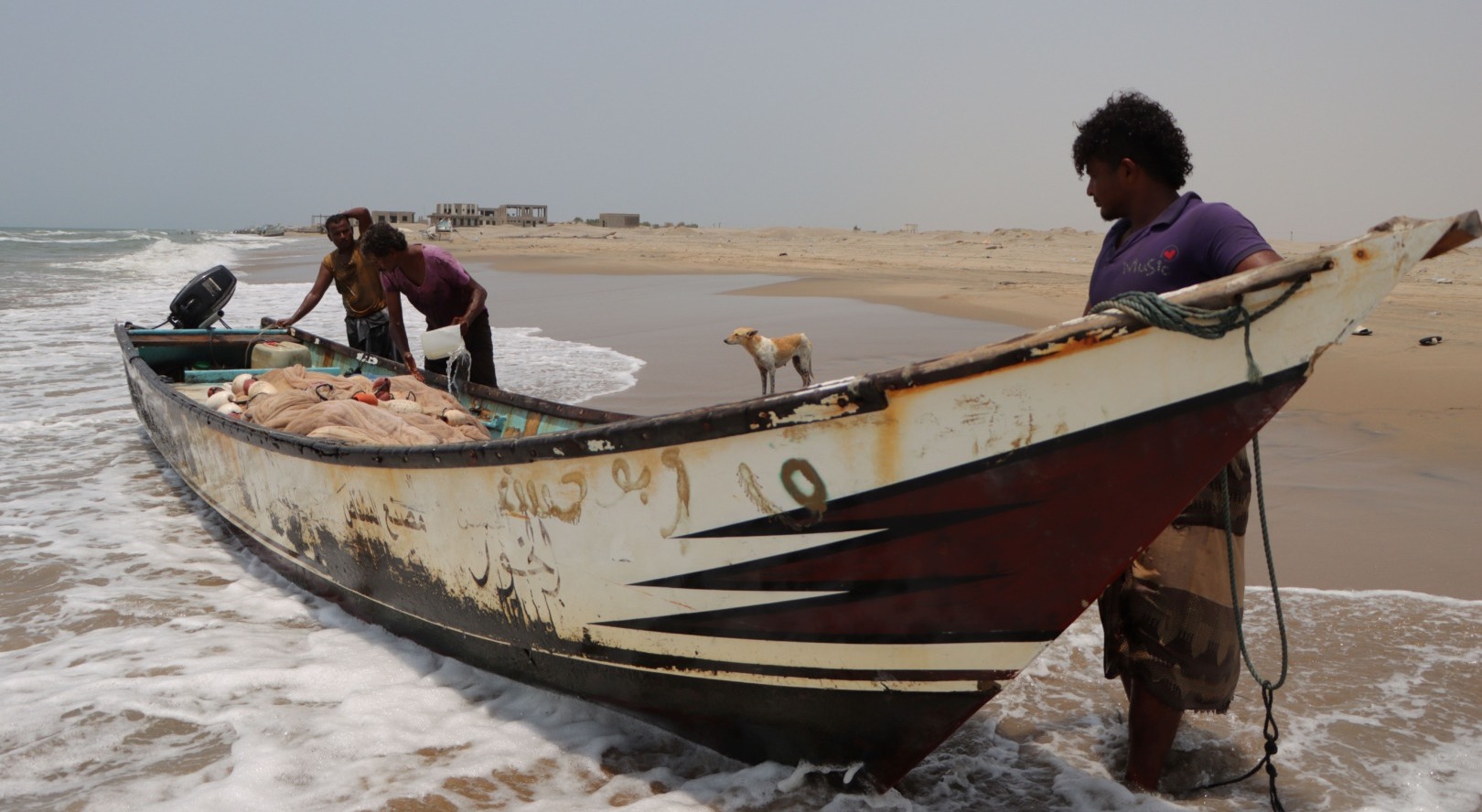
The report warned that a further escalation of the crisis will also disrupt livelihoods and certain value chains. Fishermen, for example, may abandon their activities due to increased insecurity at sea and at landing sites, which would not only impact their income opportunities and livelihoods but also affect the availability of fish – an important source of protein – in the market.

Additionally, increased military activities in the Red Sea may lead to the destruction of critical infrastructure, including ports and storage facilities, further hampering efficient distribution and storage of food in the country and aggravating food insecurity.

** **

This article was originally published by the Food and Agriculture Organization of the United Nations (FAO) and is republished here as part of our editorial collaboration with the FAO. 


Editor’s Note: The opinions expressed here by the authors are their own, not those of Impakter.com — In the Cover Photo: Fishermen may abandon their activities due to increased insecurity at sea and at landing sites, which would not only impact their income opportunities and livelihoods but also affect the availability of fish in the market. Cover Photo Credit: ©FAO/Mahmood Mohammed.
Tags: FAOfoodFood and Agriculture Organization of the United Nationsfood insecurityFood securityRed Sea crisisYemen
Previous Post

The Pandemic Agreement Draft: Will It Fully Embrace One Health?

Next Post

Brazil and France to Invest €1 Billion in the Amazon Rainforest

Related Posts

soil
Biodiversity

To Prevent Ecological Collapse, We Must Start With the Soil

Soil is the single most biodiverse habitat on Earth, home to at least 59% of all species, including over 80%...

byMarcela Quintero - Associate Director General of Research Strategy and Innovation at the Alliance of Bioversity International and CIATand1 others
January 6, 2026
Freshwater
Environment

Renewable Water Availability per Person Plunges 7% in a Decade as Global Scarcity Deepens

Renewable water availability per person has continued to decline by a further 7% over the past decade, while pressure on...

byThe Food and Agriculture Organization of the United Nations (FAO)
December 23, 2025
How Climate Change Could Help Foster Peace in Yemen
Climate Change

How Climate Change Could Help Foster Peace in Yemen

Yemen's tragedy is traditionally depicted through the limited perspective of humanitarian need and political divisiveness, but there is a greater...

byTareq Hassan - Executive Director of the Sustainable Development Network Canada (SDNC)
December 17, 2025
Transboundary Animal Diseases Pose Urgent Threat to Global Food Security
Biodiversity

Transboundary Animal Diseases Pose Urgent Threat to Global Food Security

The Director-General of the Food and Agriculture Organization of the United Nations (FAO), QU Dongyu, urged Member Countries to reinforce...

byThe Food and Agriculture Organization of the United Nations (FAO)
December 1, 2025
Animal Health
Biodiversity

Better Animal Health Is the Low-Risk, High-Reward Climate Investment We Need

Imagine if there was a way to reduce emissions from the meat, egg and dairy sector by nearly a quarter,...

byCarel du Marchie Sarvaas
November 26, 2025
One Health: Silo Barriers to Implementation and How to Overcome Them
Biodiversity

One Health: Silo Barriers to Implementation and How to Overcome Them

The One Health concept/approach must be central for governments to adopt collaborative, cross-sector policies in order to safeguard public health,...

byOne Health Initiative
November 26, 2025
A Sacred Duty
Biodiversity

A Sacred Duty

As dawn breaks over the Ororubá Mountains in Pernambuco, Brazil, a group of Indigenous youth of the Xukuru do Ororubá...

byThe Food and Agriculture Organization of the United Nations (FAO)
November 25, 2025
Instant Thickener in food and clinical nutrition
Health

Instant Thickener Safety and Consistency Basics

Instant thickeners are widely used in the food, clinical nutrition, and healthcare fields. This range of products helps people with...

byHannah Fischer-Lauder
November 22, 2025
Next Post
Amazon rainforest France and Brazil

Brazil and France to Invest €1 Billion in the Amazon Rainforest

Recent News

Diamond Painting Designs

7 Beautiful Diamond Painting Designs You’ll Love Working On 

January 13, 2026
ESG News regarding the DOJ’s investigation into Federal Reserve Chair Jerome Powell, Orsted’s U.S. offshore wind lawsuits, Stegra’s Non-Prime Steel Deal With thyssenkrupp, and Ghana repaid $1.47 of energy debt

US Federal Reserve Chair Under Investigation

January 12, 2026
Steakhouse in Tucson

7 Factors That Define a Premium Steakhouse Experience

January 12, 2026
  • ESG News
  • Sustainable Finance
  • Business

© 2025 Impakter.com owned by Klimado GmbH

No Result
View All Result
  • Environment
    • Biodiversity
    • Climate Change
    • Circular Economy
    • Energy
  • FINANCE
    • ESG News
    • Sustainable Finance
    • Business
  • TECH
    • Start-up
    • AI & Machine Learning
    • Green Tech
  • Industry News
    • Entertainment
    • Food and Agriculture
    • Health
    • Politics & Foreign Affairs
    • Philanthropy
    • Science
    • Sport
  • Editorial Series
    • SDGs Series
    • Shape Your Future
    • Sustainable Cities
      • Copenhagen
      • San Francisco
      • Seattle
      • Sydney
  • About us
    • Company
    • Team
    • Global Leaders
    • Partners
    • Write for Impakter
    • Contact Us
    • Privacy Policy

© 2025 Impakter.com owned by Klimado GmbH