
While quail production in Sub-Saharan Africa has strong potential, it keeps failing to boom, leaving us with the conclusion that the industry requires good pioneering skills. Although more and more appreciated by consumers, the integration of this meat in the household diet is still insignificant, which makes it difficult to market. Being successful could hardly be a larger challenge. Despite this scary finding, four young people have abandoned their traditional jobs to embark on this new adventure.
Forget about integrations, super-market chains squeezing out margins or meatpackers dominating markets. For this feature we are in a country where these parties yet have to come into existence. We’ll be looking at four young people who have decided to join their efforts and take up the challenge by setting up their farm and raising quail, in a country where the economy is largely based on the informal sector and where the impoverishment of the population is aggravated by the lack of a social safety net.
The spirit of their initiative is becoming more and more popular among people seeking new investment opportunities and sources of income. After the broiler chickens and the production of consumer eggs whose growth is increasing every year, young investors are exploring new investment niches. This is the quail of consumption, still popular in rural areas. Indeed, Yannick Kabore, a mechanical engineer, Mickael Boly, an administrator, Kévin Sanwidi, a logistician and Antha Compaore, a logistician are among the few Burkinabe to engage in quail farming.

Trying the Quail Challenge
Located in the outskirts of Ouagadougou, the State Capital of Burkina Faso, the farm of Yannick and his friends (La Belle Caille du Faso as they baptized their farm) is already among the best known quail sub-sector after only two years of existence. It took Yannick, a talented mechanical engineer, a few days to gather the materials and begin coordinating the work to assemble them. The farm is divided into many enclosures 5 meters long and 2 meters high. One space is reserved for breeding, another for fattening, while the incubation room ensures proper monitoring and development of the breeding.
Today, the farm already has several animals whose weight varies between 100 and 150 grams. For Yannick and his friends, the craze for this activity is due to the management of this type of farming which presents no constraints to the speed of reproduction cycles of this species and which involves investment costs that are much lower than what is required to build a farm of other poultry species such as chicken. It should also be added that genetics can be bought locally from other breeders. As for their food, it is produced on site in Ouagadougou and is available to all producers of poultry food generally packaged in 50 kilogram bags.
A Real Gold Mine
For Kévin Sanwidi, who is in charge of the day-to-day management of the farm, the work begins to become huge for a single employee. He is the one to take care of the quail — feeding them and giving them medicines — as well as to maintain the premises. The dung of the poultry is stored for the purpose of soil fertilization for vegetable crops that young people are also setting up.
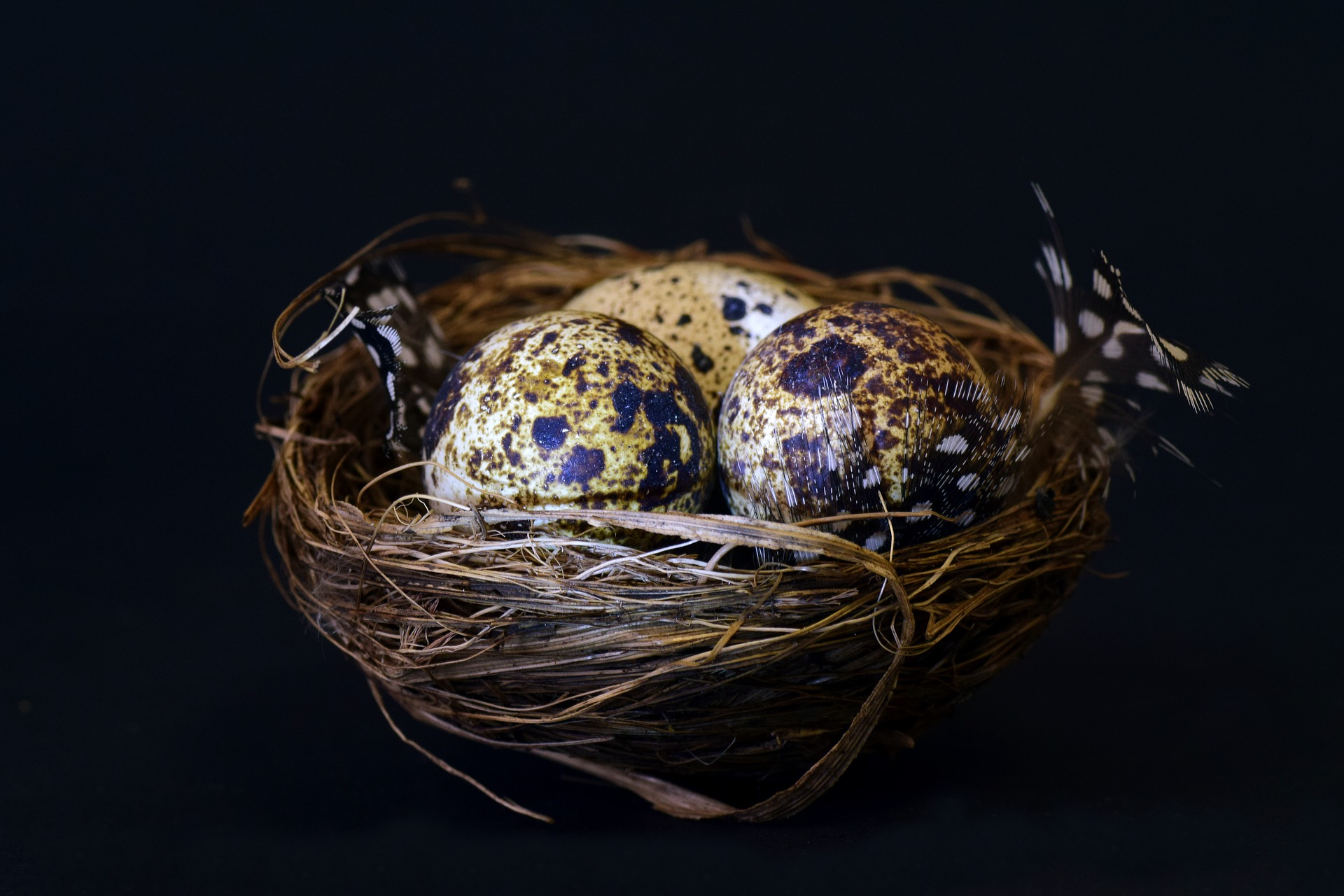
“I do not complain,” Kévin exulted, “because all my efforts are rewarded during the sale. Indeed, from the age of about two months, the animals can be sent to the market. On the local market, the family of a male and three females for breeding costs 20,000 FCFA and the meat for consumption costs 1,250 FCFA per unit. The sale of eggs covers more than 80% of our annual sales because they are very much in demand by natural medicine, particularly in the treatment of diseases such as sinusitis, asthma, and many others. We sell the pack of 12 eggs for consumption at 1,000 FCFA and eggs fertilized for brooding at 200 FCFA per unit.”
Related Articles: Social Farming for Sustainable Development | GODAN: Collaborating with GFAR on Data Driven Agriculture
“We must also add that other breeders already come to our farm to buy genetics for breeding,” Yannick said, radiant of joy. With the advent of social networks in households through smart-phones, they can promote their business and be contacted by customers, in addition to the word of mouth marketing operated by their friends in Ouagadougou. And with the advantage of quail presenting almost no health problems due to strong disease resistance, Yannick and his friends can be sure to sell all their poultry.
The Challenge
But, despite the positive signs on the production side and the lower investment costs that are positive assets for the promoters of this project, one aspect remains binding: The commercialization of the finished product. This constitutes a major handicap that prevents the growth of this branch of activity. Although appreciated more and more by consumers, the integration of quail into the household diet is still a significant step yet to be taken.
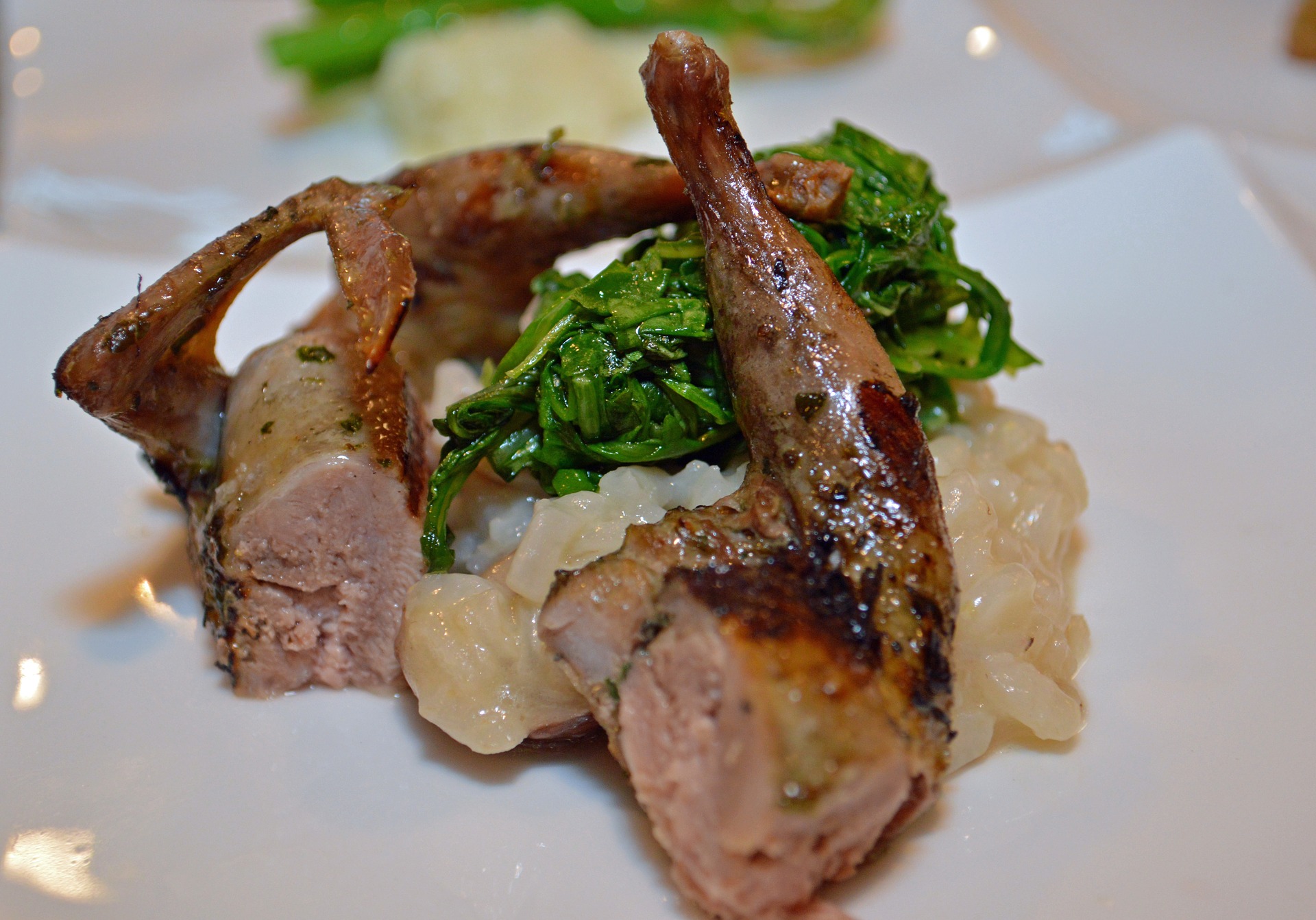
Also, the prices offered for sale — although competitive — remain high for an average Burkinabe. It does not encourage the consumption of this poultry, which is appreciated more in grill than in gourmet meals. Even with the public services in charge of livestock production, this niche is almost unknown. No statistics concerning the national potential in this area or the needs of the market are available either at the level of the parent ministry or at the level of the local agricultural directorates.
Despite all the difficulties encountered on the ground and the lack of any support from the State to promote this sub-sector, the goal of the four friends is to achieve large-scale production. And to do this, they must find more space, have appropriate infrastructure, adequate production equipment and qualified personnel.
Among other benefits are the easy adaptation to the outside environment and climate, a high concentration per square meter with a multi-stage battery, easier technical management of the herd and easier work regarding the distribution of food and the collection of eggs.
In the medium term they plan to diversify their activity, i.e., begin producing other poultry such as chicken, guinea fowl, turkey, etc. Although new in the Burkinabe culture, the quail breeding has advantages to such a point that even the devices of aid to agricultural investments recommend it to the new carriers of projects which have not yet acquired a capital experiment in this domain. Among other benefits are the easy adaptation to the outside environment and climate, a high concentration per square meter with multi-stage battery, easier technical management of the herd and easier work regarding the distribution of food and the collection of eggs. In a word, it’s breeding that brings and has future since the market is very large, especially in terms of eggs, something that reassures Yannick and his friends.