Impakter
  • Environment
    • Biodiversity
    • Climate Change
    • Circular Economy
    • Energy
  • FINANCE
    • ESG News
    • Sustainable Finance
    • Business
  • TECH
    • Start-up
    • AI & Machine Learning
    • Green Tech
  • Industry News
    • Entertainment
    • Food and Agriculture
    • Health
    • Politics & Foreign Affairs
    • Philanthropy
    • Science
    • Sport
  • Editorial Series
    • SDGs Series
    • Shape Your Future
    • Sustainable Cities
      • Copenhagen
      • San Francisco
      • Seattle
      • Sydney
  • About us
    • Our Story
    • Team
    • Partners
    • Write for Impakter
    • Contact Us
    • Privacy Policy
No Result
View All Result
  • Environment
    • Biodiversity
    • Climate Change
    • Circular Economy
    • Energy
  • FINANCE
    • ESG News
    • Sustainable Finance
    • Business
  • TECH
    • Start-up
    • AI & Machine Learning
    • Green Tech
  • Industry News
    • Entertainment
    • Food and Agriculture
    • Health
    • Politics & Foreign Affairs
    • Philanthropy
    • Science
    • Sport
  • Editorial Series
    • SDGs Series
    • Shape Your Future
    • Sustainable Cities
      • Copenhagen
      • San Francisco
      • Seattle
      • Sydney
  • About us
    • Our Story
    • Team
    • Partners
    • Write for Impakter
    • Contact Us
    • Privacy Policy
No Result
View All Result
Impakter
No Result
View All Result
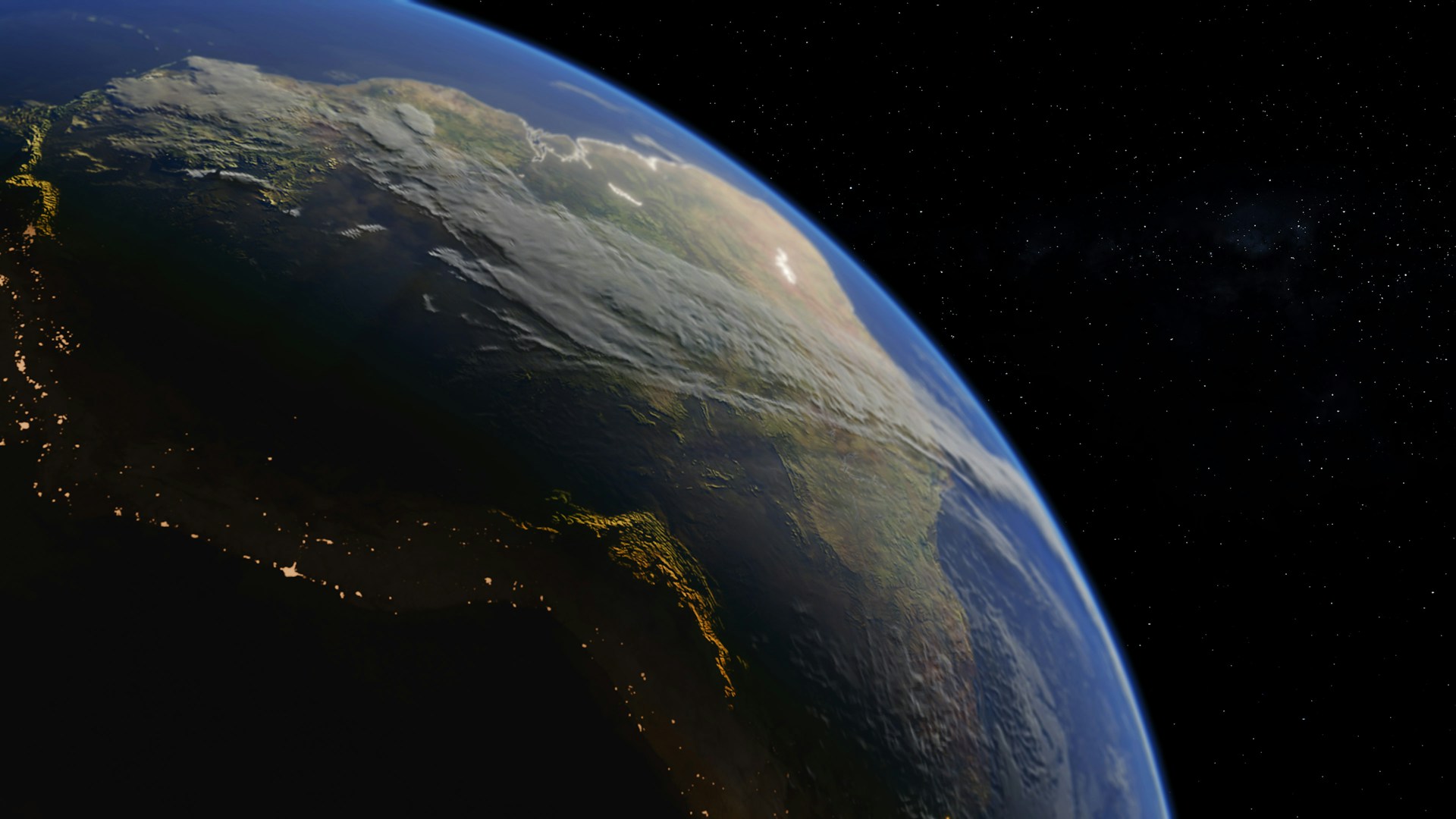
The earth is heating up, and days are getting longer.

The earth is heating up, and days are getting longer.

Climate Change Is Making Earth Spin Slower

byYuxi Lim
April 7, 2026
in Climate Change, Environment, Science, Society

Last month, clocks across most of Europe and the UK shifted forward by an hour for Daylight Saving Time. For most, this is a yearly adjustment that signals the beginning of summer with longer days and shorter nights. 

While this is a small, routine change, Earth itself is changing in a different, subtle way. According to a new study by University of Vienna and ETH Zurich researchers, it is rotating at a slower speed, and days are actually getting longer. This concerning shift is caused by changes in the climate.

As explained by Benedikt Soja, professor of Space Geodesy at ETH Zurich and co-author of the study, increase in day length “can thus be attributed primarily to human influences.”

Related Articles

Here is a list of articles selected by our Editorial Board that have gained significant interest from the public:

  • The Frantic, High-Tech Fight to Stop Climate-Fueled Dengue Fever
  • ‘Climate Change Is Coming for Our Coffee’: How Extreme Heat Threatens One of the World’s Favorite Beverages
  • How Climate Change Is Altering Frogs’ Love Songs

The science behind it

As polar ice sheets and mountain glaciers melt, the water spreads from the poles towards the equator. This alters the shape of the Earth and slows its rotation, creating an effect similar to that of a figure skater spinning more slowly once they stretch out their arms. 

The researchers from the University of Vienna and ETH Zurich successfully reconstructed ancient day-length fluctuations using the fossil remains of single-celled marine organisms known as benthic foraminifera. The chemical composition of these fossils can infer sea-level fluctuations and help scientists derive the corresponding changes in day length. 

Previous studies showed that “from 2000 to 2020, our days were lengthened by 1.33 milliseconds per century due to climate-related factors.” The new study shows that this “rapid rise” in day length is “unparalleled over the last 3.6 million years.” 

Benedikt Soja warns that climate change is predicted to affect day length more significantly than the moon by the end of the 21st century, with scientists estimating an increase in the length of a day by 2.62 milliseconds by the end of the century if the world continues to warm due to heat-trapping emissions.

Why milliseconds matter

According to the researchers, these changes  are unlikely to impact human biology, such as sleep cycles and circadian rhythms. 

However, they may potentially trigger bigger problems in a contemporary world that relies heavily on technology. For example, accurate time measures are crucial for computing systems such as GPS and space navigation, which use atomic time based on the frequency of certain atoms. 

In addition, these findings shed more light on the impacts of human-driven climate change and how they manifest, even spilling into how we experience time. They serve as a crucial reminder that our actions can affect planet Earth in ways that we may not anticipate, yet still carry real consequences.


Editor’s Note: The opinions expressed here by the authors are their own, not those of Impakter.com — In the Cover Photo: Planet Earth. Cover Photo Credit: Mara F

Tags: Climate ChangeEnvironmentLonger daysScience
Previous Post

Hungarian-Serbian Oil Pipeline Disrupted With Explosives Found

Next Post

The Frantic, High-Tech Fight to Stop Climate-Fueled Dengue Fever

Related Posts

To Keep Climate Science Alive, Researchers Are Speaking in Code
Politics & Foreign Affairs

To Keep Climate Science Alive, Researchers Are Speaking in Code

April 15, 2026
Men and woman working on their accounting Infrastructure
Business

Why ESG Reporting Is Failing Without Proper Accounting Infrastructure

April 14, 2026
V&A Waterfront, Cape Town, South Africa, October 2025.
Climate Change

The IMF and World Bank Are Reforming Their Main Debt Sustainability Assessment Tool — Here’s Why It Matters

April 14, 2026
Next Post
A mosquito standing on top of a spider web.

The Frantic, High-Tech Fight to Stop Climate-Fueled Dengue Fever

Related News

ESG news regarding Khanna proposing a ban on US gasoline exports, plastic supply chain crisis sparking shift to sustainable packaging, Cuba eying renewable future to bypass energy blockade, and NAACP taking legal action against xAI.

Khanna Proposes to Ban US Gasoline Exports

April 15, 2026
To Keep Climate Science Alive, Researchers Are Speaking in Code

To Keep Climate Science Alive, Researchers Are Speaking in Code

April 15, 2026

Impakter informs you through the ESG news site and empowers your business CSRD compliance and ESG compliance with its Klimado SaaS ESG assessment tool marketplace that can be found on: www.klimado.com

Registered Office Address

Klimado GmbH
Niddastrasse 63,

60329, Frankfurt am Main, Germany


IMPAKTER is a Klimado GmbH website

Impakter is a publication that is identified by the following International Standard Serial Number (ISSN) is the following 2515-9569 (Printed) and 2515-9577 (online – Website).


Office Hours - Monday to Friday

9.30am - 5.00pm CEST


Email

stories [at] impakter.com

By Audience

  • TECH
    • Start-up
    • AI & MACHINE LEARNING
    • Green Tech
  • ENVIRONMENT
    • Biodiversity
    • Energy
    • Circular Economy
    • Climate Change
  • INDUSTRY NEWS
    • Entertainment
    • Food and Agriculture
    • Health
    • Politics & Foreign Affairs
    • Philanthropy
    • Science
    • Sport
    • Editorial Series

ESG/Finance Daily

  • ESG News
  • Sustainable Finance
  • Business

About Us

  • Team
  • Partners
  • Write for Impakter
  • Contact Us
  • Privacy Policy

© 2026 IMPAKTER. All rights reserved.

No Result
View All Result
  • Environment
    • Biodiversity
    • Climate Change
    • Circular Economy
    • Energy
  • FINANCE
    • ESG News
    • Sustainable Finance
    • Business
  • TECH
    • Start-up
    • AI & Machine Learning
    • Green Tech
  • Industry News
    • Entertainment
    • Food and Agriculture
    • Health
    • Politics & Foreign Affairs
    • Philanthropy
    • Science
    • Sport
  • Editorial Series
    • SDGs Series
    • Shape Your Future
    • Sustainable Cities
      • Copenhagen
      • San Francisco
      • Seattle
      • Sydney
  • About us
    • Our Story
    • Team
    • Partners
    • Write for Impakter
    • Contact Us
    • Privacy Policy

© 2026 IMPAKTER. All rights reserved.