When the United States won the bid to co-host the 2026 World Cup of the Federation Internationale de Football Association (FIFA), it was a celebration of “the beautiful game” coming to a country that had only recently embraced the sport.
Los Angeles will later host the 2028 Summer Olympics, and both of these events would be excellent opportunities to present a positive image of America. Sadly, a vastly different story is unfolding, with expanded immigration restrictions and border detention, creating growing fears among visitors who might consider coming to attend these sporting events.
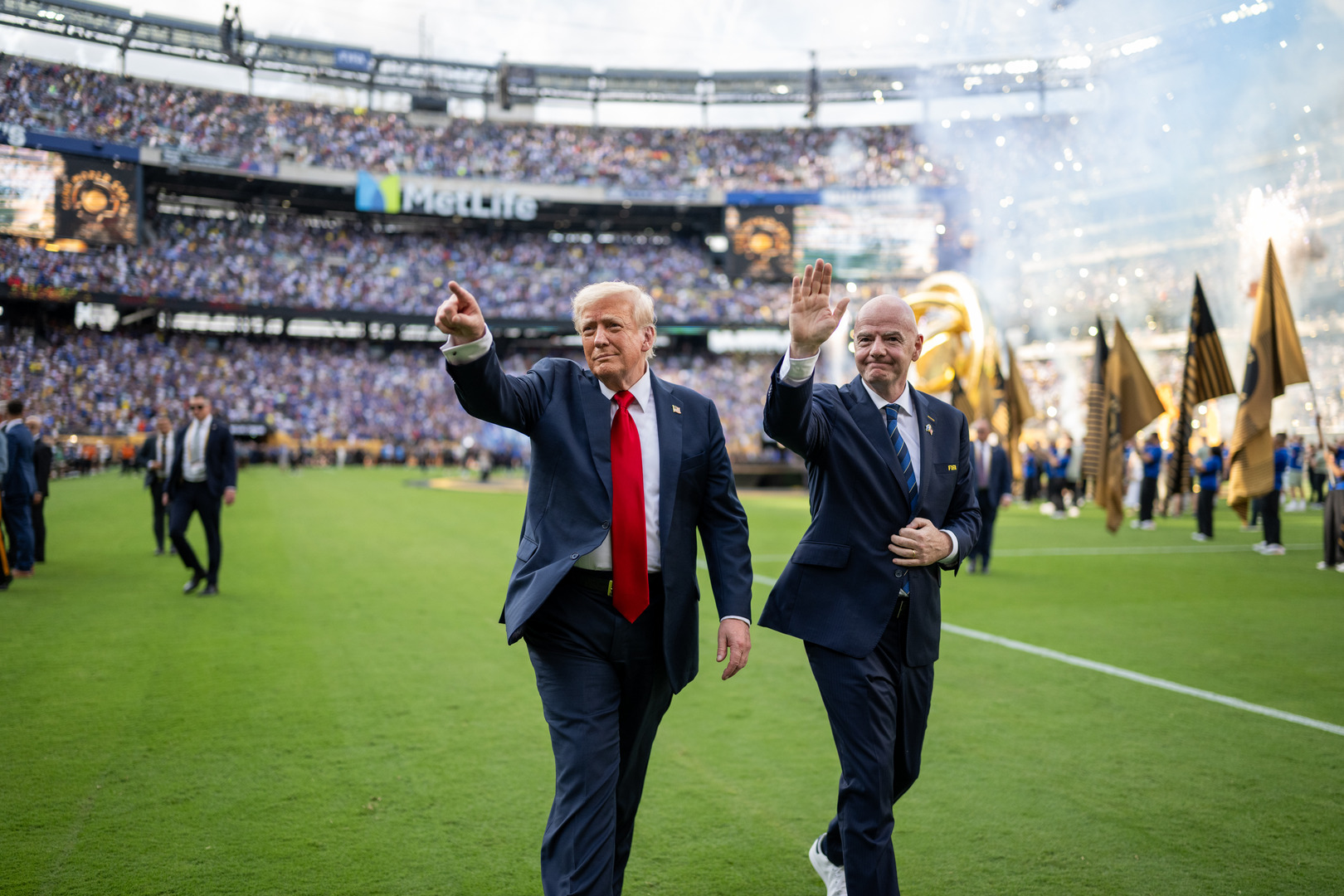
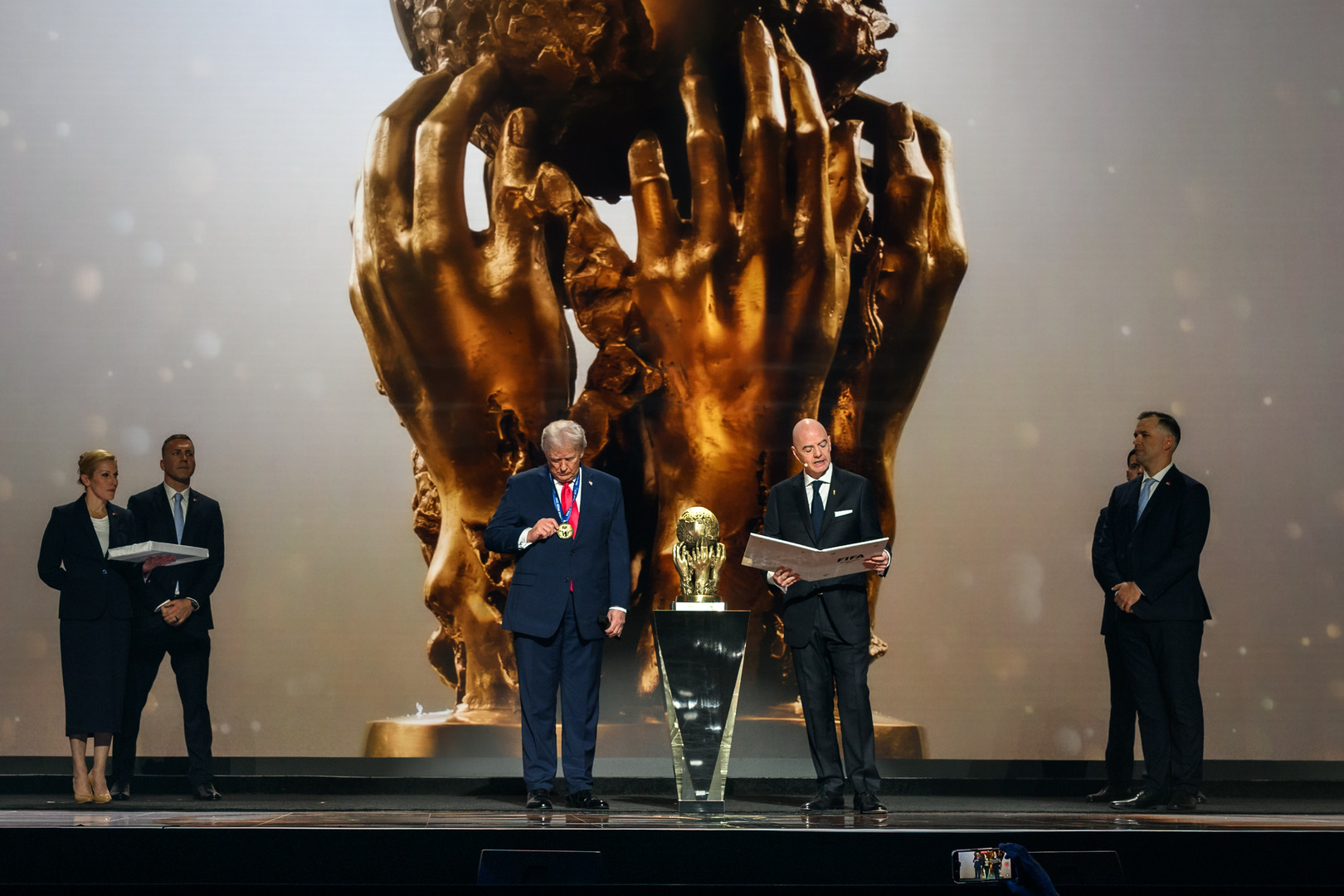
As to the FIFA Cup, its image has already been tarnished with President Trump given the Peace Prize by Gianni Infantino, the President of FIFA, an organization supposedly politically neutral. (Norwegian Football Association President Lise Klaveness said FIFA should avoid getting drawn into politics and scrap its peace prize, with the awarding of such prizes being left to the Nobel Institute in Oslo.)
The Background of the Olympic Tradition
The first recorded ancient Olympic Games were held in the summer of 776 BC at the religious sanctuary of Olympia, Greece. To enable athletes and visitors from different, often warring, city-states to travel safely to and from Olympia, there was a sacred truce known as ekecheiria (literally “holding of hands” or “laying down of arms”).
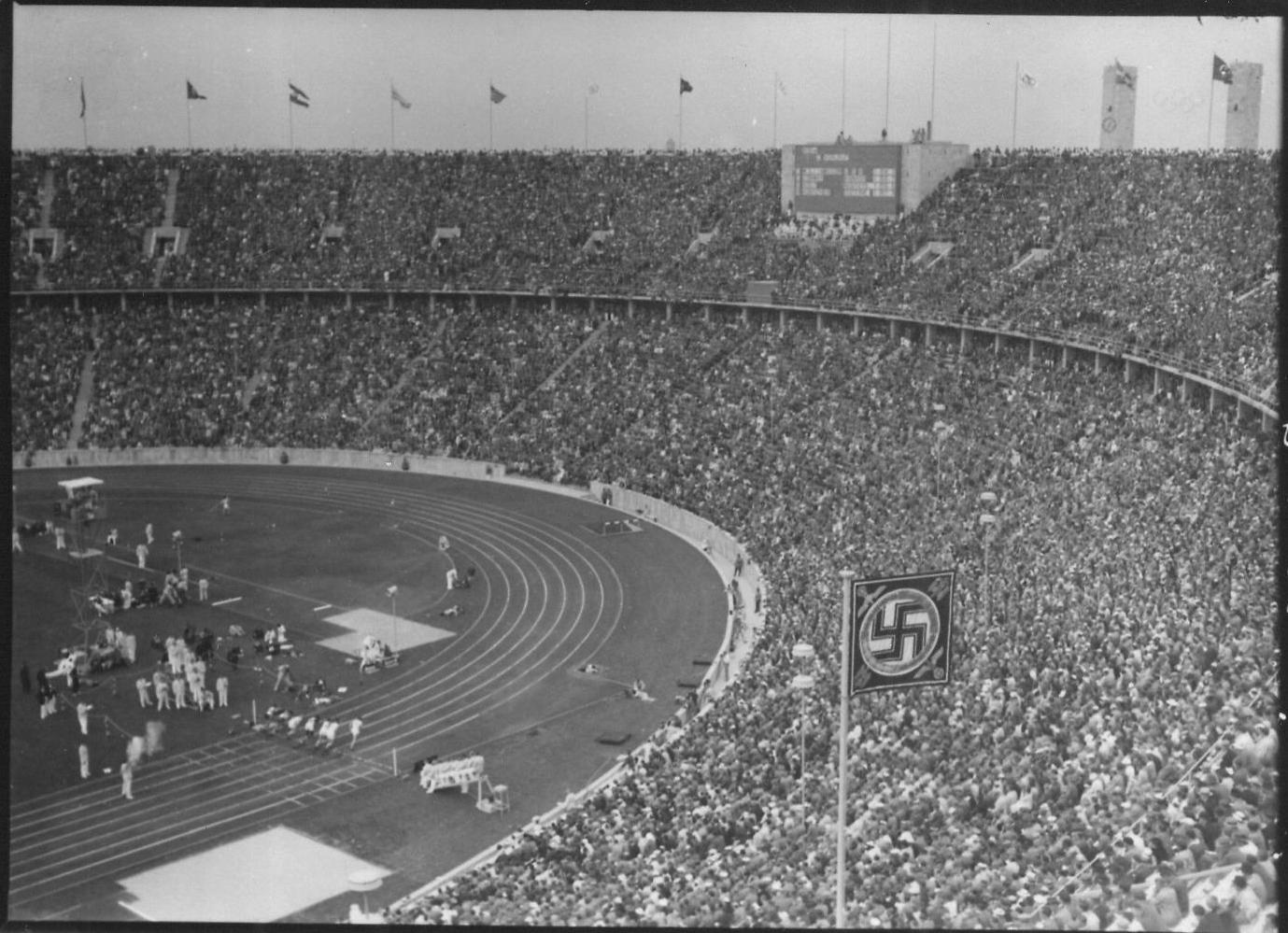
The truce was to last for one month, starting seven days before the Games began and ending seven days after they finished. Warring states had to halt conflicts and guarantee safe passage through their territories for all participants, artists, and spectators. On the sidelines, there was discussion of political matters, but the games themselves were apolitical. These basic tenets were seen as underpinnings, but not so in some modern Olympics: the 1936 Berlin Olympics projected authoritarian pride; the 1968 Olympics exposed student repression; South Africa 2010 symbolized post-apartheid renewal. And in 2026, most probably, the Games will project the Trump-MAGA image.
The Trump Administration’s Immigration Policies as FIFA Host-Nation
The upcoming 2026 World Cup will be different in that it is a tri-nation affair — Canada, the United States, and Mexico will jointly host 104 matches. This tripartite partnership was designed to symbolize North American unity. Immigration differences in border policy, however, have fractured that vision, with the United States enacting a series of measures that strictly tightened border enforcement and visa scrutiny.
For the FIFA World Cup, which begins on June 11, 2026, the United States has specific entry restrictions and conditions. The US expanded its visa restrictions from 19 to 39 countries, with these countries subject to varying degrees of suspension, including full restrictions for 19 countries and partial restrictions for another 20. Nearly all affected countries have suspended issuance of visitor visas, which most individuals will need to attend World Cup matches in the United States.
For citizens of countries that have qualified for the World Cup, specifically for their athletes, team staff, and their immediate families: there is an exemption from the U.S. restrictions for athletes, coaches, team officials, and “persons performing a necessary support role”; immediate relatives of athletes and coaches are allowed to apply for visas and enter the U.S. to attend the tournament; while Iranian athletes are allowed, individuals who have ties to Iran’s Islamic Revolutionary Guard Corps (IRGC) may be denied entry; and some of these participants may be subject to a “Visa Bond Program,” requiring a potential $15,000 bond payment per person.
The exemption for Haitian and Iranian athletes does not apply to their fans or spectators.
Tensions between national security and global hospitality are not new. During the 2012 London Olympics, the United Kingdom expanded visa staffing in key countries and created a bespoke “Olympic Route” waiver system, granting temporary entry for those with valid credentials. Proponents of heightened restrictions argue that these strident regulations will protect both visitors and citizens. They cite potential risks of trafficking, illegal entry spikes, or even terrorism during large gatherings. However, they fail to see the downside of such restrictions in doing so.
The Fear Factor for Foreign Attendees
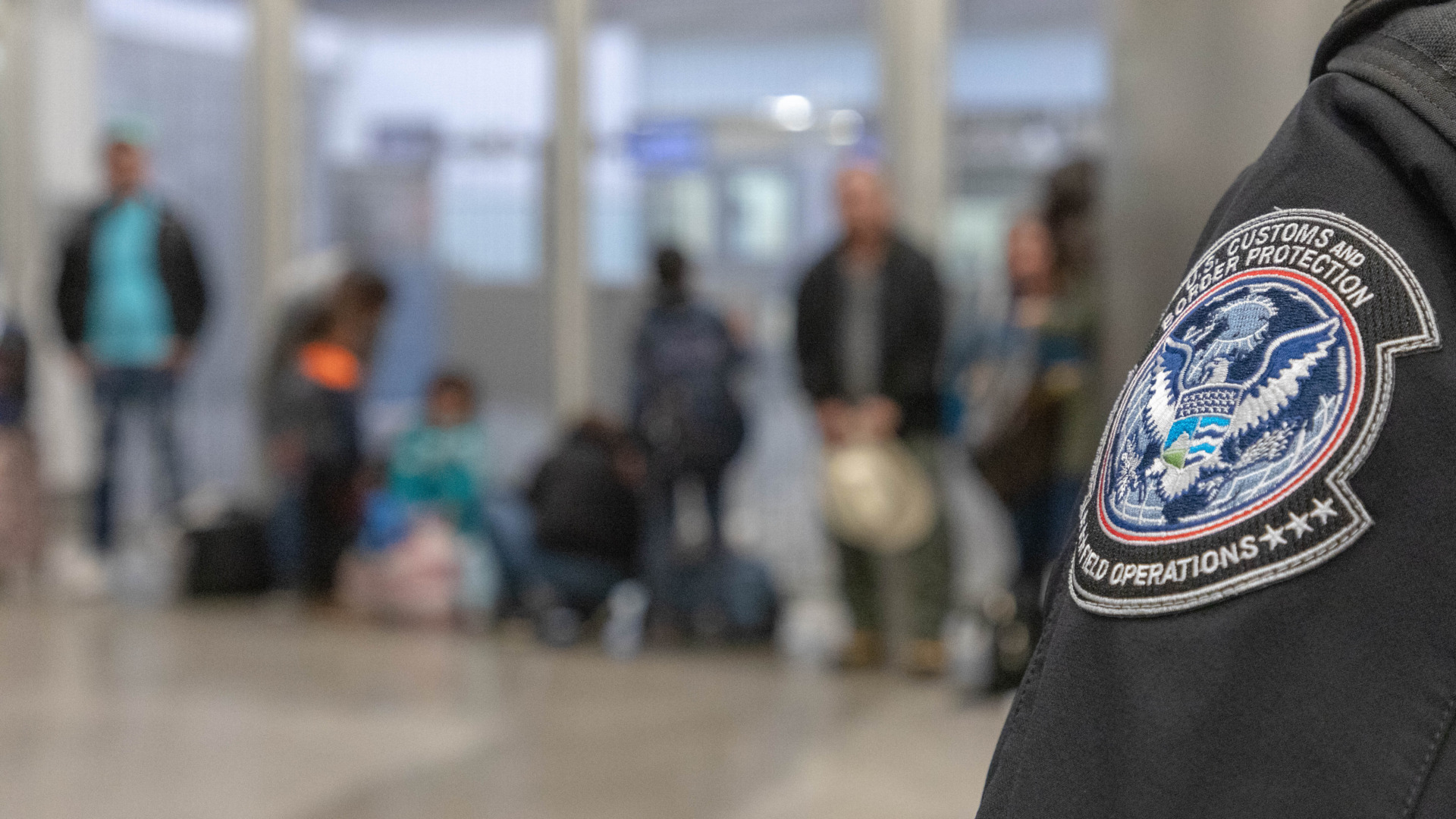
Even with a visa in hand, a potential visitor has a wall of fear to contend with. U.S. immigration enforcement has increasingly blurred into domestic policing, with federal agencies empowered to operate up to 100 miles from land borders — two-thirds of the U.S. population. In host cities like Houston, Los Angeles, and Miami, the presence of Immigration and Customs Enforcement (ICE) and Customs and Border Protection (CBP) near event venues could deter immigrant communities from participating as fans, volunteers, or small-business vendors.
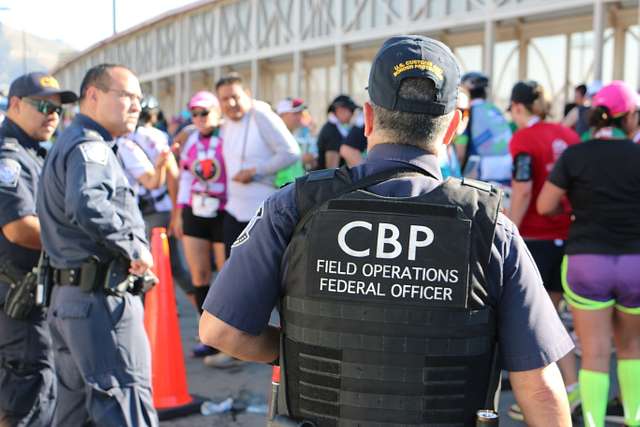
Further, with social media worldwide, it is well known that short-term detention of foreign arrivals occurs — and not infrequently — with business travelers, tourists, and artists held for hours over visa errors or cellphone searches. For global sports fans, those stories resonate deeply.
And What About the Anticipated Economic Gains?
Even moderate declines in international fan attendance can ripple through regional economies. Foreign visitors typically spend two to three times as much as domestic attendees on hotels, car rentals, and merchandise. A 15% drop in overseas arrivals, analysts say, could cut projected revenue by several billion dollars.
Overall, demand for FIFA Cup tickets is slow because potential international spectators are discouraged by rising travel costs and immigration concerns. Three weeks after what FIFA had said would be the fourth and final phase of ticket sales, a report from The Athletic stated that thousands of tickets had not been sold for several high-profile matches, including the U.S. opener with Paraguay at SoFi Stadium.
Smaller American host cities such as Kansas City or Miami — whose budgets depend on tourism surges — will feel the strain most.
Related Articles
Here is a list of articles selected by our Editorial Board that have gained significant interest from the public:
Effects on National Image
Global perception of a host country is the intangible currency of mega-events. The World Cup is second only to the Olympics in worldwide viewership, with broadcasts in more than 200 nations. Images of fans draped in flags, celebrating in multicultural harmony, sustain not only tourism but also national reputations. If those images instead reveal fear — empty seats, long airport lines, fans humiliated at customs — the reputational cost could exceed any immediate financial loss.
U.S. immigration policies and enforcement are likely to erode any broader diplomatic goodwill. Both the 2026 World Cup and the 2028 Summer Olympics represent incredible soft-power opportunities for the United States if there is a perception of competence and warmth.
When the final FIFA match of 2026 ends, the legacy question will loom larger than the trophy. Did the U.S. prove it could reconcile protection with hospitality? Did barriers fall, or did they harden?
Simply put, its governmental actions, both explicit and implicit, have significantly undermined the Olympic tradition of “safe passage” for international sport. There is limited time to do otherwise before the FIFA World Cup. Unless there are major changes by the 2028 Summer Olympics, however, when the torch is passed in Los Angeles, a city historically celebrated for its immigrant dynamism, the Summer Olympics could very well be a “no show(s)” event.
Editor’s Note: The opinions expressed here by the authors are their own, not those of impakter.com — Cover Photo Credit: President Donald Trump attends the FIFA Club World Cup Final soccer match between Chelsea Football Club and Paris Saint-Germain at MetLife Stadium in East Rutherford, New Jersey, United States, July 13, 2025. Cover Photo Credit: White House / Daniel Torok.