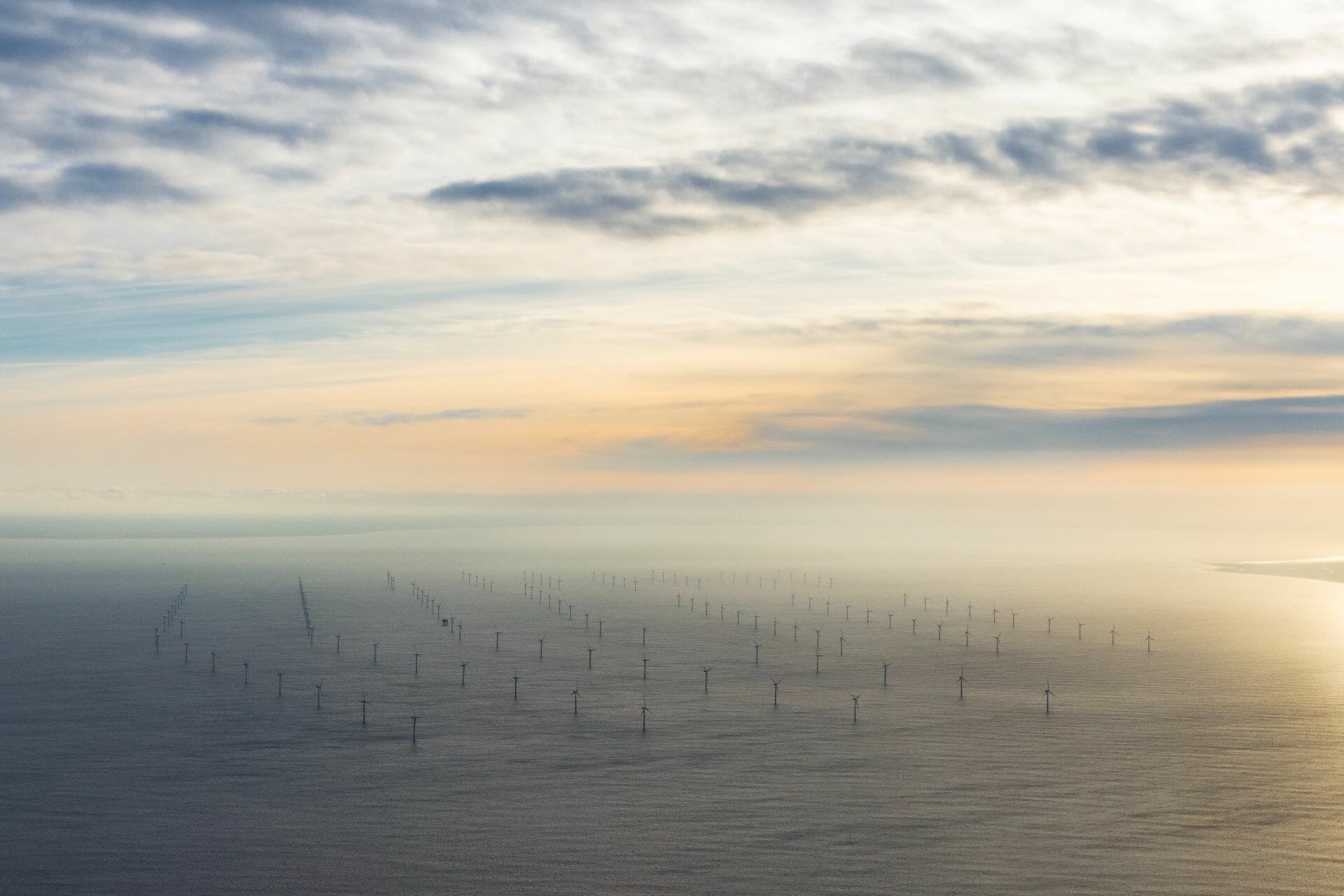
The year 2021 was when Denmark announced the official political consensus to commence building two energy islands. Already by early May, ships were out in the North Sea mapping the seabed and conducting the preliminary studies to locate the appropriate spot to build the world’s first energy islands. The investigations are set to carry on until 2024.
The idea has obtained international attention, yet many questions remain unanswered, and the practicality of the process seems uncertain. Therefore, following my recent interview with the Climate Minister of Denmark, Dan Jørgensen, I interviewed Mogens Lykketoft, Chairman of Energinet.
Energinet is Denmark’s national energy transmission system operator. Owned by Denmark’s Ministry of Climate, Energy and Utilities, this independent enterprise will conduct the project’s preliminary environmental studies, develop transmission grids, and integrate the renewable energy on land.
During my conversation with Mogens Lykketoft, we discussed various aspects of the process, from financial investments to implementation and onward to questions of social acceptance. While various aspects appear uncertain, Mr. Lykketoft remains, what he phrased, a “concerned optimist.”
The Perks and Challenges of Energy Islands
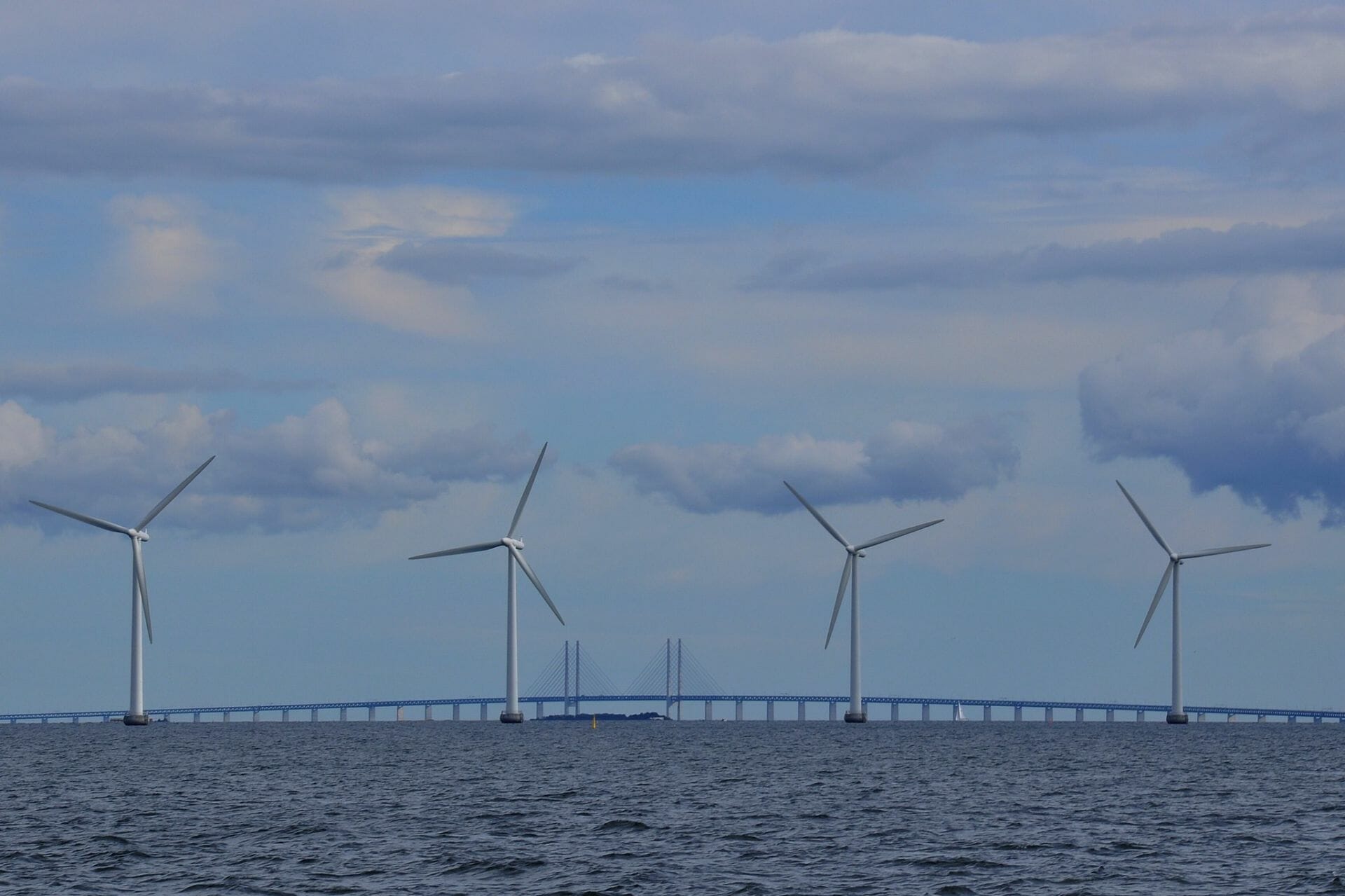
The idea of building energy islands is rooted in a global commitment to fulfill the Paris Agreement’s goal of keeping global warming under 1.5C compared to pre-industrial levels, Mr. Lykketoft explained. When contemplating ways of meeting the Paris Agreement’s target alongside an increasing demand for electricity and a need to eliminate fossil fuels, the energy islands were considered the most efficient solution.
There is a “prospect of producing more energy from the North Sea than we have produced from oil and gas in the past if you look at the long-term perspective,” Mr. Lykketoft explained. “In order to harvest these opportunities, nearly endless possibilities of sea wind from the North Sea… the cheapest and most efficient way is to connect the wind farms with an artificial island from where we can distribute electric power not only to Denmark but to the European net.”
Mr. Lykketoft’s conviction is rooted in the hub-and-spoke idea, a concept that aims to confront the challenges of integrating renewable energy. Up until today, the international climate policies remain fragmented, primarily national, decoupled between energy sectors, and enduring incremental challenges. The energy islands counter these problems by being transnational, cross-sectional, and integrated. It is about connecting and coordinating energy networks.

“The more you connect the European electricity networks, the more you connect solar energy, wind energy, waterfall energy, nuclear energy, the more you can exchange and balance the net without storing the enormous amounts of wind energy,” Mr. Lykketoft conveyed. It is about ending decades of individual windmill farms, scattered around, providing small amounts of energy to fractions of a nation, and instead collect and store all the energy at a hub where it can be efficiently distributed to Denmark, its businesses and Europe at large. However, despite the perks of these islands, the challenges remain, particularly as the question of energy storage is still largely uncertain, according to Mr. Lykketoft.
Storing large amounts of energy remains a challenge and while various alternatives have emerged in recent years, many of the storage solutions remain unresolved. There is a need to develop ways of storing such large quantities of energy in a financially sensible and sustainable way, Mr. Lykketoft conveyed. Regardless, he is optimistic about the prospects of Power-to-X for energy storage.
Power-to-x has been widely praised for its potential to couple the various energy sectors and to store and take full advantage of renewable energy, which is notoriously challenging due to its incremental nature. Power-to-x is a process by which renewable energy is harnessed and converted into hydrogen. This is termed green hydrogen, and it has the potential to be utilised as a fuel in vehicles – from cars to heavier vehicles like ships and planes. If developed and successfully installed, power-to-x generation could solve storage challenges and enable a fully electrified Danish society.
Financially, the energy islands have been scrutinized as overly expensive, with fears emerging over the potential of a substantial financial deficit, the costly ramifications on taxpayers, and the estimated low return on investment of only 4%. As Climate Minister, Dan Jørgensen, disclosed in an interview with the Financial Times, the energy islands will be the “biggest single infrastructure investment in the history” of Denmark. The first energy island to be constructed in the North Sea, alone, has an estimated cost of USD 34 Billion and as Mr. Jørgensen told me in our interview, the project will be primarily state-owned, yet they are searching for a private owner.
However, Mr. Lykketoft believes that sufficient funding will be obtainable. “I don’t see any difficulty for this kind of investment to find financing,” he explained. “I see a lot of balances that have to be sorted out between the private and the public interest, but the money for sure will be found.” For now, large investors, including Ørsted, ATP, PensionDanmark and PFA, have shown interest in investing in the islands.
Questions of Social Acceptance
Large-scale, long-term projects like the islands can raise eyebrows and public skepticism. Particularly, the Danish public has contemplated whether such long-term projects divert away from swift action here and now. When posed with the question, Mr. Lykketoft said, “I personally think we have to do much more than we are doing now to fulfil the 2030 agenda. But that is not an excuse to delay decisions on what should happen after 2030.” Consequently, the energy islands will not contribute to Denmark’s commitments for 2030, as the project is estimated to be completed in 2033, which Mr. Lykketoft confirmed during our conversation.
“This is a long-term project,” he explains. As Denmark seeks to be “the front-runner in the green transition,” they need a span of time to pursue such large-scale projects. “With the situation we are in geographically, with the possibility of sending a lot of sea produced energy to countries with no big possibilities at sea… we have to start now. That is the basic idea of the project coming up now. But it is no excuse for not doing more for the 2030 prospective as well.”
Related Articles: Suncast, Optimizing Solar and Wind Energy Services | The New Renewable Energy Market: A Unique Growth Opportunity for Economies and the Planet
Social acceptance is not currently considered a challenge. While future complications may arise, he expects wide public support because he sees the emergence of a “basic understanding of the possibilities this brings us for being carbon-free, helping the rest of Europe to be carbon-free, earning money by harvesting wind energy,” and the prospects of generating “as many good jobs… as have been in the oil and gas industry, now gradually phasing out in the North Sea.”
Most extraordinary was the broad political consensus. “What we have heard about this is almost unified political support for the whole idea. It was remarkable. The decision about the energy islands was taken by all parties but one party.” Mr. Lykketoft believes that a speedy green transition is key and the unified political support to take a radical step towards a green future was admirable.
The future for the energy islands is uncertain, but they are also the first of their kind. Regardless, Mr. Lykketoft did not shy away from admitting the unknown aspects, yet his unwavering optimism tends to the critic within. The energy islands may be difficult projects, but they reflect a key element that will be instrumental in our progress towards a fossil fuel-free future: unity. It is about uniting separated windmill farms to a larger hub where energy can be harnessed, stored, and effectively transmitted transnationally. It is about uniting energy sectors, from transportation to households and large businesses, and about uniting the vast potentials of green energy, from wind to solar to hydro and onwards. It is about uniting countries as well as political parties within countries to integrate and connect energy systems for efficient transmission of clean energy across a larger spectrum than previously imagined. Electrifying and ending the harm of fossil fuels is essentially about ambition and unity in a path forward.
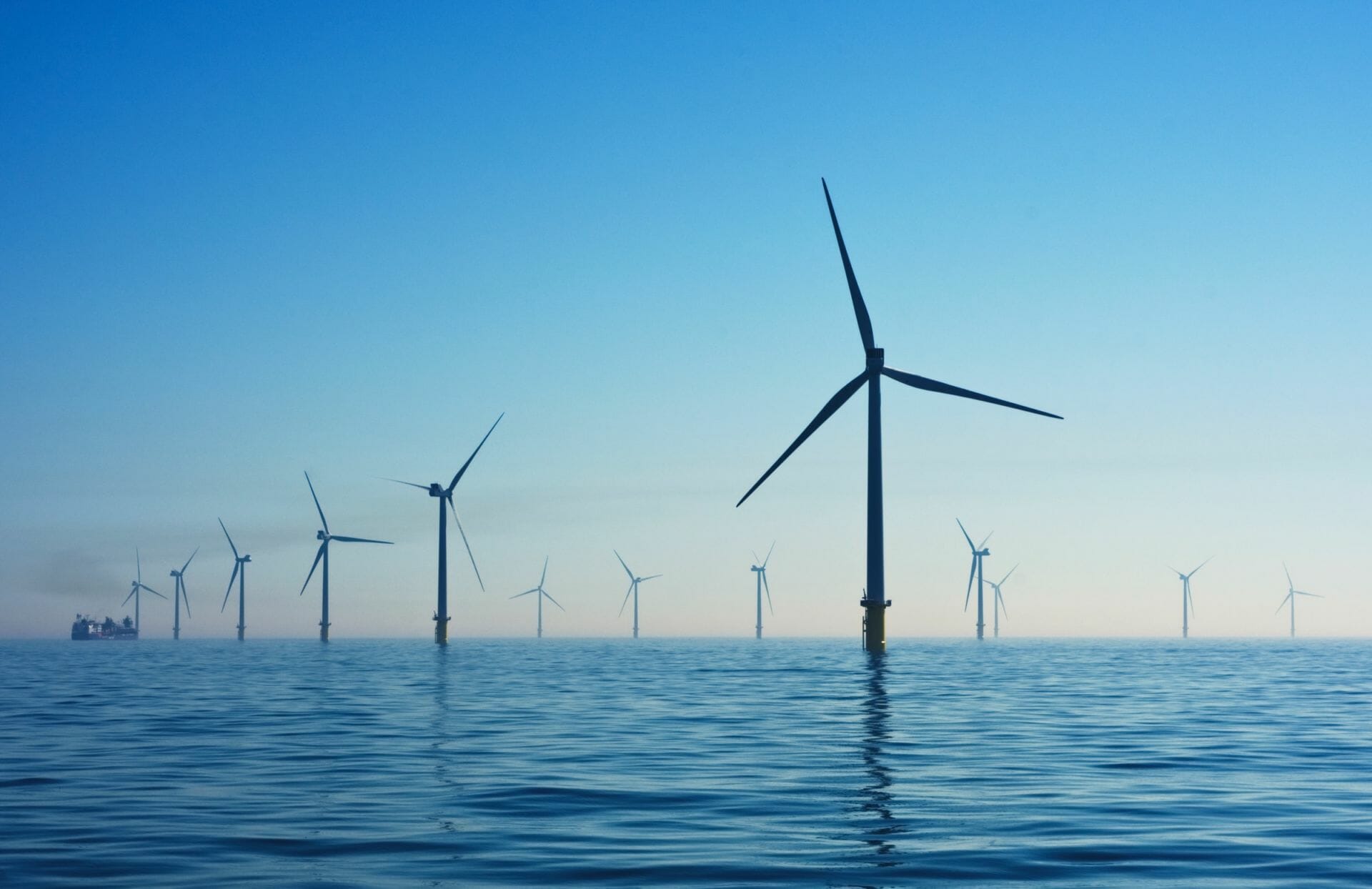
Editor’s Note: The opinions expressed here by Impakter.com columnists are their own, not those of Impakter.com. — In the Featured Photo: Race Bank Offshore Wind Farm in the North Sea. Featured Photo Credit: Nicholas Doherty, Unsplash.