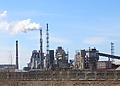
Today’s ESG Updates
- Microsoft Backs Wastewater-Based Carbon Removal: Tech giant signs deal for up to 23,602 metric tons of durable carbon removal with CREW Carbon as it targets carbon negative by 2030.
- Romania Nears Full Nuclear Shutdown: Record-low Danube water levels could force Cernavoda’s last reactor offline by Thursday, cutting 20% of the national electricity supply.
- Jellyfish Shut Down French Nuclear Plant, Again: A swarm of jellyfish forced Gravelines offline on the same date as last year’s identical incident, despite new preventive measures.
- Carnival Accelerates Emissions Target: Cruise giant raises its climate goal to a 25% cut by 2029, after beating its original 20% goal by 2030 target five years early.
Microsoft signs carbon removal deal with Crew Carbon
In a move to support its expanding carbon strategy, Microsoft has signed a long-term agreement with CREW Carbon to employ a technology to permanently store atmospheric carbon dioxide. This agreement includes up to 23,602 metric tons of durable carbon removal through wastewater alkalinity enhancement technology. CREW Carbon converts the CO2 into stable, dissolved bicarbonates, offering efficient, durable carbon storage without requiring new dedicated infrastructure.
This technology could help reduce some of the high capital costs typically associated with carbon removal projects by integrating with treatment plants that already operate at scale. It proves beneficial again, as it may also create additional incentives for facility operators if the systems improve plant operations.
This agreement aligns with Microsoft’s long-term commitment to becoming carbon-negative by 2030. It also works well with CREW Carbon, as it provides them with a long-term commercial buyer as the company expands the deployment of its technology.
Klimado – Navigating climate complexity just got easier. Klimado offers a user-friendly platform for tracking local and global environmental shifts, making it an essential tool for climate-aware individuals and organizations.
Romania may fully shut down nuclear plant amid Danube drought
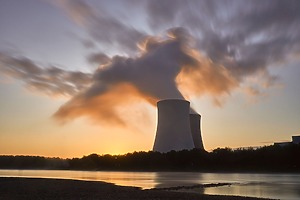
On August 11, Romania’s Nuclearelectrica announced that it may shut down its last operating reactor as early as Thursday, August 13. This decision comes as the Danube’s water levels hit a new record low, making it difficult to cool the plant.
The company owns two reactors in Cernavoda on the Danube, which supply roughly 20% of Romania’s electricity. The plant’s first reactor was shut down in late July, and shutting down the second would leave the facility completely closed.
Amid Europe’s ongoing extreme heat and severe drought, the Danube River fell to a historic low of about 1,370 cubic meters per second this week at Romania’s entry point. Authorities have attempted emergency measures, including deepening the riverbed and redirecting water flow toward the plant, but officials say the margin for continued operation is narrowing rapidly.
In the meantime, the nation has declared a state of energy emergency throughout the entire month of August. The government has prepared contingency measures, which include asking companies and households to voluntarily limit their consumption during evening peak hours. The government has also prepared a staged system to cut power to industrial consumers, with prior notice, should it become necessary.
Related Articles
Here is a list of articles selected by our Editorial Board that have gained significant interest from the public:
Jellyfish shut down France’s Gravelines nuclear plant

In an incident that repeated almost exactly one year back, a swarm of jellyfish forced France’s Gravelines nuclear power plant to shut down parts of the facility on Tuesday, August 11. As part of a series of climate-change-driven disruptions, the creatures clogged the plant’s cooling pump system.
Since last year, EDF has undertaken preventive measures, including installing cameras and deploying fishing vessels to monitor the coast 24/7 and conducting preventive fishing. Despite these measures, the swarm overwhelmed the defenses as it grew rapidly from 100 kilograms to several dozen tons.
EDF said on-site teams are working to reconnect the reactors to the national grid. This incident is the latest in a series of climate-driven disruptions affecting a record number of nuclear reactors this summer. Greenpeace France said the episode shows nuclear plants are “ill-equipped” to handle climate change’s consequences.

Carnival accelerates climate target to 25% emissions cut by 2029
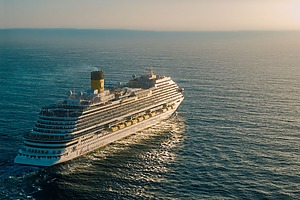
Carnival Corporation has announced a new climate target to cut greenhouse gas emissions intensity by 25% by 2029. This raises and accelerates its prior goal of a 20% cut by 2030, a target Carnival had already achieved five years ahead of schedule.
Since 2019, Carnival has introduced 11 new LNG-powered ships while retiring 27 older, less efficient vessels, cutting emissions intensity by 44% since 2008. Now, LNG -powered ships represent about 21% of fleet capacity, while shore power capability has expanded to 74% of the fleet, working toward a target of 80% by 2030.
Carnival is also investing in fleet-wide efficiency upgrades, including HVAC improvements, LED lighting, and energy management systems. These new initiatives will cut the annual shipboard energy demand by roughly 535,000 MWh as compared with 2019. The company expects fuel-efficiency gains to generate approximately $650 million in savings in 2026 compared with 2019 levels.
Editor’s Note: The opinions expressed here by the authors are their own, not those of impakter.com — Cover Photo Credit: Simon Ray.