Today’s ESG Updates
- EU Packaging Rules Enter into Force: New measures restrict PFAS in food packaging and set targets to cut waste by 15% by 2040.
- Malaysia Expands Energy Efficiency Push: Renewed plan aims to cut energy demand 11.6% by 2035 and targets $21.5bn savings.
- Strait of Hormuz Closure Puts Pressure on European Gas Supplies: Uniper reports that Germany’s storage is only 48% full, below the 70% target for November.
- Kenya Power Flags Risks from Rapid Renewable Growth: Variable wind and solar now account for more than 20% of total grid capacity, threatening stability.
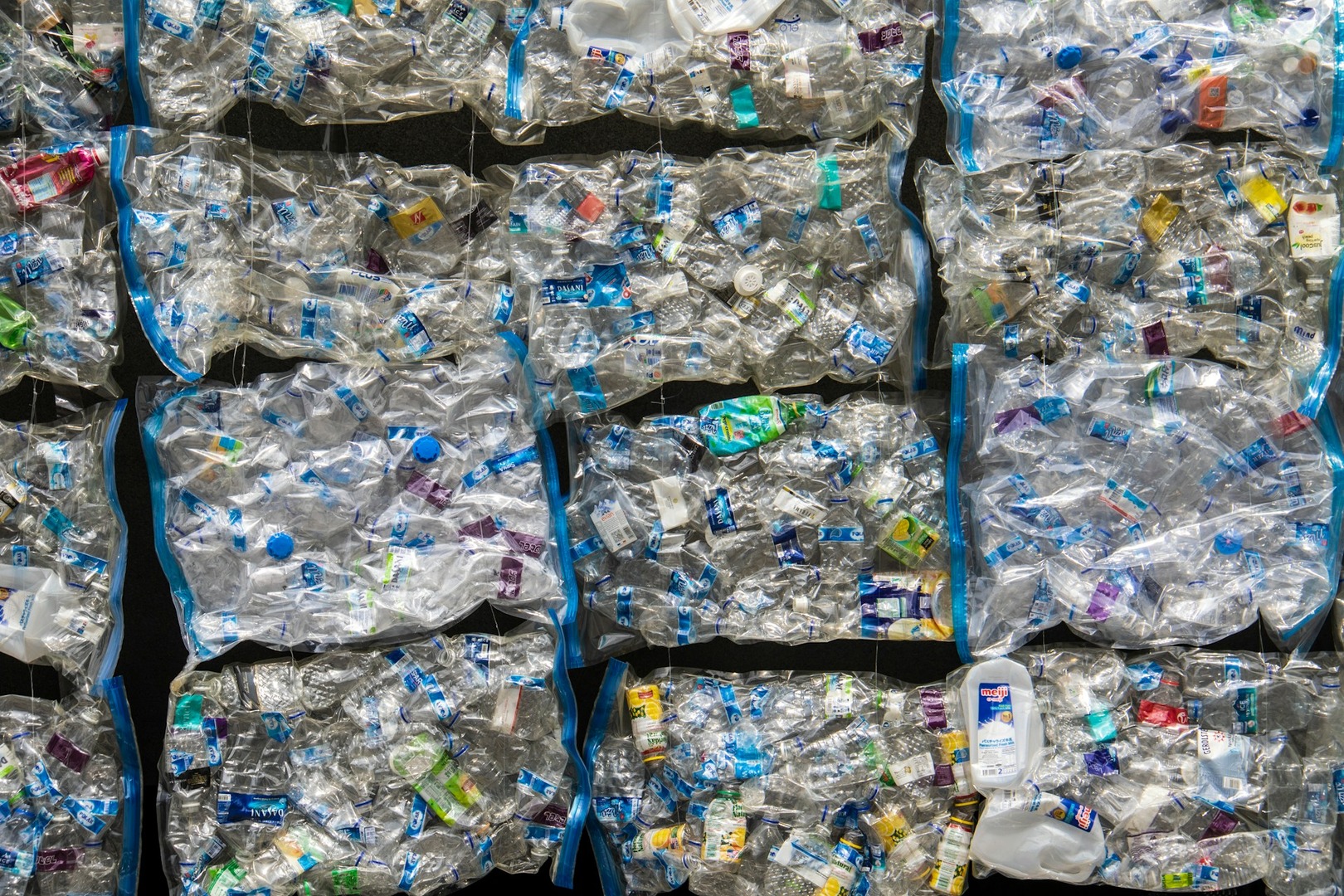
New EU packaging rules on PFAS and plastic waste enter into force
The EU’s new packaging rules take effect today, introducing limits on PFAS “forever chemicals” in food-contact packaging and setting targets to reduce packaging waste.
Packaging waste has increased by more than 20% over the past decade, driven partly by online shopping and takeaway consumption. Europeans generate around 180 kg of packaging waste per person each year, including 35.3 kg of fossil-fuel-derived plastic. Just 42% of this plastic waste was recycled in 2023.
The rules target a 5% reduction in packaging waste by 2030 and 15% by 2040, compared with 2018 levels. They also require packaging to be economically recyclable, introduce reuse targets and restrict some single-use formats.
PFAS limits and traceability requirements are now in effect, while broader measures, including new waste-sorting labels and deposit-return schemes, will be phased in by 2030.
Klimado – Navigating climate complexity just got easier. Klimado offers a user-friendly platform for tracking local and global environmental shifts, making it an essential tool for climate-aware individuals and organizations.
Malaysia renews energy efficiency drive, targeting $21.5bn in savings by 2035
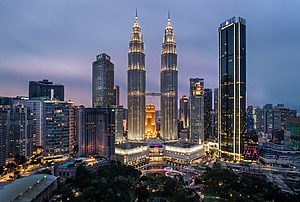
Malaysia has renewed its National Energy Efficiency Action Plan through 2035, targeting a 11.6% reduction in energy demand and around $21.5 billion in savings.
The plan is expected to cut energy use by 815,382 terajoules compared with business-as-usual projections. The savings would also reduce emissions by an estimated 26.1 million tonnes of CO₂ equivalent.
The previous 2016–2025 plan exceeded its electricity-saving target, delivering 60,886 gigawatt-hours of savings worth approximately $3.9 billion.
The renewed plan comes as Malaysia’s electricity demand is expected to rise sharply, driven partly by a boom in AI infrastructure. The country is now the fastest-growing data-center hub in Southeast Asia.
Related Articles
Here is a list of articles selected by our Editorial Board that have gained significant interest from the public:
Uniper warns gas prices will stay high while Strait of Hormuz remains closed
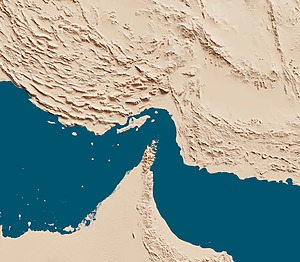
Uniper expects European gas prices to remain at €50–€60 per megawatt-hour while shipping through the Strait of Hormuz remains disrupted.
Germany’s gas storage facilities were 48% full as of August 9, down from 64% a year earlier and below the EU average of 59%. Prices would need to fall for Germany to reach its target of 70% storage by November, Uniper CEO Michael Lewis said.
The war in Iran has pushed gas prices higher, encouraging traders to sell rather than store supplies ahead of winter. Lewis warned: “These high prices are bad for our customers, bad for the industry and bad for our wealth.”

Kenya Power warns rapid wind and solar growth is threatening grid stability
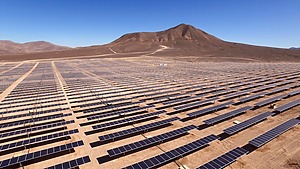
Kenya’s national power utility has warned that the rapid growth of wind and solar is putting pressure on grid stability and reliability.
Kenya Power said variable renewable sources now account for more than 20% of total grid capacity, while global benchmarks indicate an upper limit of 15%. During peak demand, wind and solar can supply up to 34% of the electricity mix.
“This exposes the national grid to system vulnerability when wind and solar suddenly dip or rise in production, forcing the grid to take on other generation sources to cushion the intermittency of generation,” the utility said.
The utility recommends greater investment in more predictable renewable sources such as geothermal and hydropower.
Editor’s Note: The opinions expressed here by the authors are their own, not those of impakter.com — Cover Photo Credit: Nick Fewings.