Today’s ESG Updates
- Oil From Grounded Tanker Reaches Oman’s Mainland: The slick from the sanctioned tanker Caroline Bezengi, aground off Oman since June 30, has grown past 2,000 square kilometers and now threatens a marine reserve.
- Gulf Lease Sale Offers 81 Million Acres, Draws Few Bidders: The Trump administration’s third Gulf oil and gas lease sale under a 2025 law saw pre-sale bids covering just 0.4% of the acreage on offer.
- Canada’s Sustainable Finance Taxonomy Splits Over Fossil Fuel ‘Abatement’: More than 30 climate groups are pushing back on a plan to let oil and gas emissions-cutting projects count as sustainable finance under Canada’s new investment rulebook.
- EU’s Overhauled Vehicle Recycling Rules Take Effect Today: The revised End-of-Life Vehicles Regulation sets mandatory recycled content targets and closes a loophole that lets end-of-life cars get exported as used vehicles.
Oil from grounded tanker reaches Oman’s coast as spill spreads
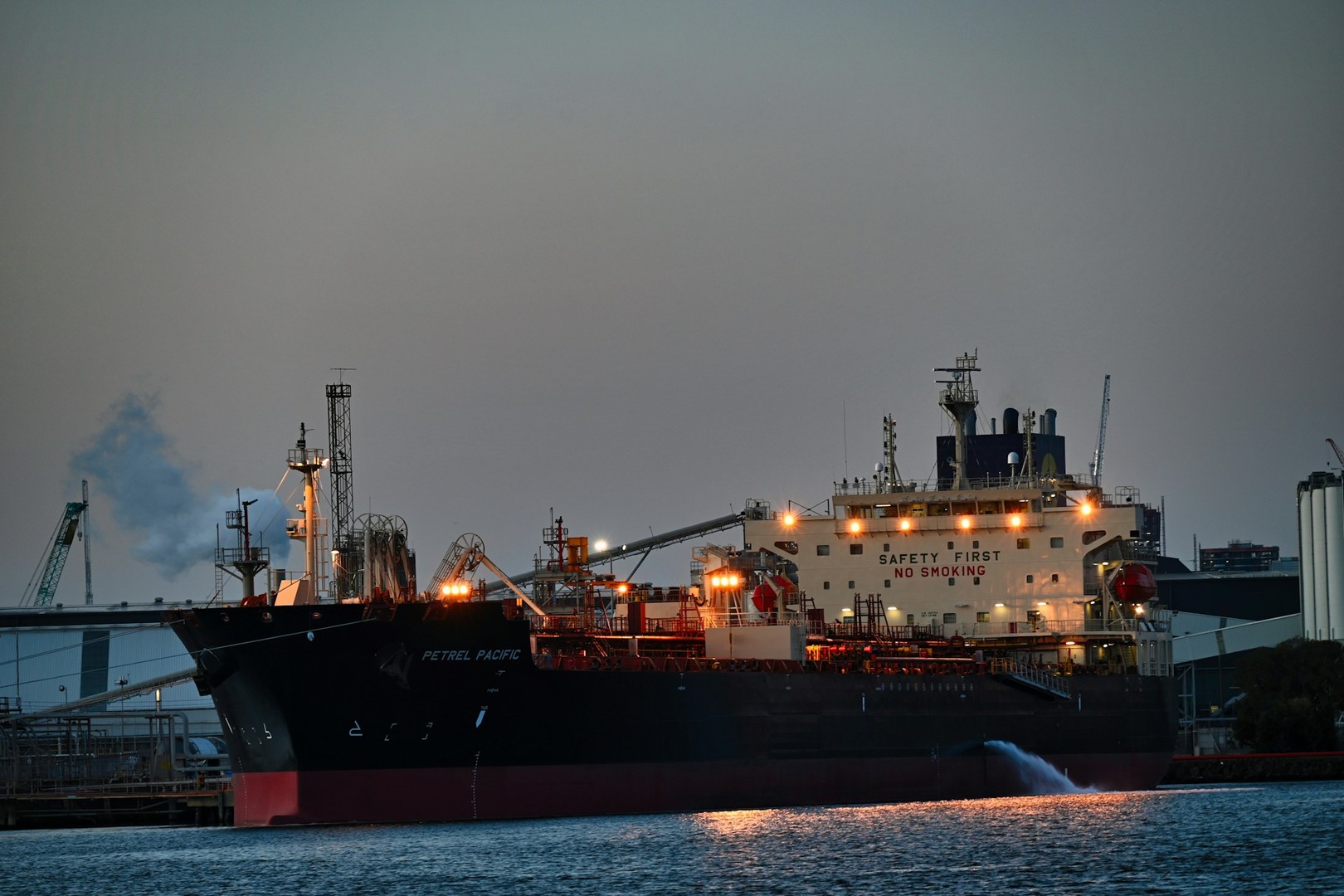
A vast oil spill in the Gulf is fast becoming one of the world’s worst in years, spreading largely unchecked for weeks. The tanker Caroline Bezengi, carrying roughly 800,000 barrels of Russian crude under international sanctions, ran aground on June 30 near an Omani island inside a marine nature reserve. Oil has now reached the mainland, putting up to 40 kilometers of coastline near Ras Madraka and Masirah Island at risk.
The slick has grown to more than 2,000 square kilometers, according to satellite imagery reviewed by an independent oil spill specialist. Monsoon winds have kept crews from reaching the vessel and delayed salvage for weeks. The reserve is home to Arabian Sea humpback whales, Socotra cormorants and endangered sea turtles.
No one is on the hook to pay for cleanup, either. Any recognized Western provider doesn’t insure the tanker, and the fund that usually covers spill compensation says it won’t step in, since the incident is being treated as an act of war rather than an accident.
“A nightmare scenario is there’s no adequate response to keep the worst from happening,” said one oil spill specialist.
Klimado – Navigating climate complexity just got easier. Klimado offers a user-friendly platform for tracking local and global environmental shifts, making it an essential tool for climate-aware individuals and organizations.
Gulf oil and gas lease sale draws few bidders despite 81 million acres on offer
The Trump administration put more than 81 million acres of the Gulf up for lease to oil and gas drillers on Wednesday, the third of 30 sales required under a 2025 law. It’s the second sale since the U.S.-Israel conflict with Iran pushed oil prices to a four-year high.
The Interior Department offered 15,100 unleased blocks, located 3 to 231 miles offshore, in water depths ranging from 9 feet to more than 11,100 feet. But interest was thin: pre-sale filings showed just 12 companies submitted a combined 69 bids, covering only about 0.4% of the acreage on offer.
That’s a sharp contrast to the first sale under the same law, which brought in $279.4 million in December. Offshore production still makes up roughly 15% of total U.S. output, but has lagged onshore shale in recent years due to longer timelines and higher upfront costs.
Related Articles
Here is a list of articles selected by our Editorial Board that have gained significant interest from the public:
Canada’s green finance rulebook splits climate groups over oil and gas
Canada is developing a new sustainable finance taxonomy, a rulebook meant to steer money toward investments that actually help fight climate change. The plan has split the country’s climate finance community over one question: does oil and gas belong in it?
The taxonomy’s planning council wants an “abatement” category, letting fossil fuel companies label emissions-cutting projects as sustainable finance. More than 30 climate groups, under the name Credible Taxonomy Canada, say oil and gas shouldn’t be in the taxonomy at all. They’re worried it hands the industry a sustainability label while it keeps expanding production.
Marlene Puffer, who chairs the taxonomy council, argues leaving abatement out would be worse: without it, industry and lenders would just invent their own definitions with no guardrails at all. She says the category isn’t meant to support new drilling, just to cut emissions from assets already running.
Some remain skeptical that the guardrails will hold. One advisor on the taxonomy’s technical group noted there’s no real enforcement mechanism for conditions like decommissioning dates, a company could simply continue operating an asset past its intended wind-down date. The public comment period on the proposal closes today.

EU’s new vehicle recycling rules take effect today
The EU’s revised End-of-Life Vehicles Regulation enters into force today, updating the rules for how vehicles are designed, produced, collected and processed once they reach the end of their life. The goal is to keep valuable materials circulating within Europe’s economy instead of relying on imported raw materials.
The regulation sets mandatory recycled content targets for new vehicles: 15% recycled plastic starting in 2032, rising to 25% by 2036. Similar targets for steel and aluminum follow from 2033. It also strengthens traceability requirements and extends the rules beyond cars to trucks, buses and motorcycles.
One change worth noting: starting in mid-2031, only roadworthy vehicles will be allowed to leave the EU. That closes a loophole where vehicles that have effectively reached the end of their life get exported as used cars instead of being properly recycled. The regulation also shifts more of the financial responsibility for collection and recycling onto manufacturers.
“This is about more than recycling, it is about securing critical materials and making our automotive sector truly circular,” said Jessika Roswall, the EU’s Commissioner for Environment.
Editor’s Note: The opinions expressed here by the authors are their own, not those of impakter.com — Cover Photo Credit: Enguerrand Photography.