
Today’s ESG Updates
- Carbon Emissions Stall in 2026 as Iran War Lifts Renewables: Fossil CO2 is forecast to dip just 0.4%. Still, land-use emissions push the total to a forecast 43.3bn tonnes, says the Global Carbon Budget.
- Mercedes-Benz Secures Low-Carbon Aluminium Supply, Resets 2039 Climate Goals: A long-term Hydro deal covers at least 10% of primary aluminium needs, and net zero now moves to the decade after 2039.
- Norway Backs Amazon Fund With $64 Million as Deforestation Hits Record Low: The donation of about 350 million reais follows Inpe data on the lowest forest loss on record in the 12 months to July.
- EU Wants Nine Countries to Speed Up Emission Cuts, Sweden Included: The Commission seeks corrective plans from states such as Germany, Italy and Sweden that are off pace for their 2030 targets.
Carbon emissions from fossil fuels level off in 2026, but no peak yet
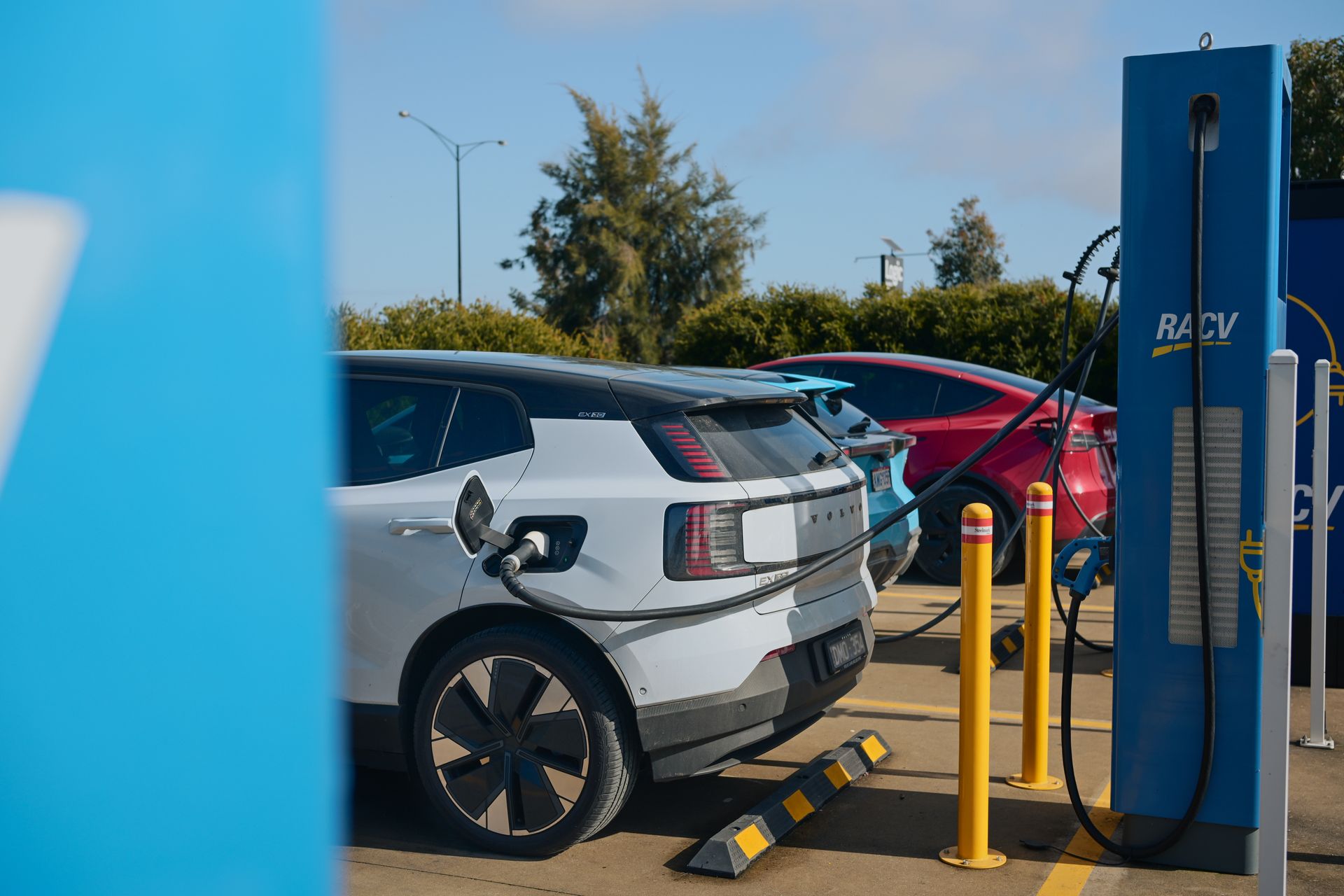
The Global Carbon Budget report, unveiled at COP31 in Antalya, projects that fossil fuel CO2 emissions will stay almost level in 2026, with a dip of roughly 0.4%. Costly oil and gas after the Iran war pushed drivers toward electric vehicles and cut oil emissions by 2%. Solar, wind and electric vehicles met two-thirds of the rise in global energy demand.
Scientists urge caution as deforestation and land conversion lifted total emissions to a forecast 43.3 billion tonnes, up from 42.8 billion last year. The leftover budget to avoid a permanent breach of 1.5C stands at about 150 billion tonnes, less than four years of current output.
China is on course for a cut of close to 1%, and the U.S. about 1.3%, while India’s coal use drove its emissions higher. Glen Peters and Bill Hare say one flat year is no peak and urge faster government action.
Klimado – Navigating climate complexity just got easier. Klimado offers a user-friendly platform for tracking local and global environmental shifts, making it an essential tool for climate-aware individuals and organizations.
Mercedes-Benz signs low-carbon aluminium deal, revises 2039 climate targets
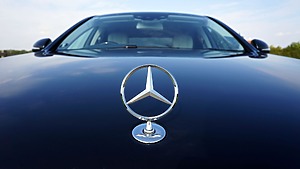
On Tuesday, the German carmaker announced a long-term supply pact with Norway’s Hydro for low-carbon aluminium. Under the contract, at least a tenth of its primary aluminium supply will come from this source. The aim is to gradually lower the metal’s CO2 output to 3 kg per kg by 2030, from about 4 kg now. The global average is 14.4 kg.
Mercedes is set to join the First Movers Coalition, which targets hard-to-abate sectors, and has pledged to buy at least 10% of its primary aluminium on the group’s terms by 2030.
The carmaker reworked its Ambition 2039 climate plan after EV uptake fell short of hopes. By 2039 it seeks a 90% cut in production emissions, 80% in vehicle-use emissions if market conditions allow, and 70% across the value chain. Net zero is due in the decade after 2039.
Related Articles
Here is a list of articles selected by our Editorial Board that have gained significant interest from the public:
Norway gives $64 million to Brazil’s Amazon fund after record drop in deforestation

Norway has announced a donation of about 350 million reais ($63.58 million) to the Amazon Fund, which protects the rainforest. The Norwegian embassy in Brasilia said the money acknowledges what it described as a landmark fall in deforestation across the largest rainforest on Earth.
Data released last month by Inpe, a Brazilian space research agency, put forest loss through July at its lowest ever. Norway’s Climate and Environment Minister Sigrun Aasland said Brazil’s results are impressive and matter well beyond its borders.
Norway is the largest donor by a wide margin, with some 3.8 billion reais contributed since the fund began in 2008. Contributors also include Germany, the U.S., the UK, Denmark, Switzerland, Japan and Ireland.
President Luiz Inácio Lula da Silva, reelected last month, has pledged to end illegal deforestation by 2030. On Monday, he travelled to the COP31 summit in Turkey.

Nine EU countries asked for corrective plans to speed up emission cuts
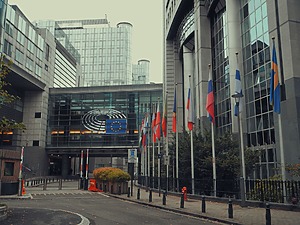
The European Commission wants nine member states to file corrective plans that speed up domestic emission cuts in transport, the built environment, farms and waste. They are Austria, Croatia, Cyprus, Germany, Ireland, Italy, Lithuania, Malta and Sweden, all off pace to meet their 2030 goals under the effort-sharing regulation (ESR).
Even with extra planned measures, Germany is projected to miss its target by 14 percentage points, Ireland by 19, Malta by 49 and Sweden by 5. EU-wide, these sectors are projected to emit 38.5% less than in 2005 by 2030, against a 40% goal.
Wopke Hoekstra will write to the nine, who get three months to submit plans. The European Environment Agency says the EU is on track for 2030, but planned measures would deliver a 54% net cut, short of the legal 55%. Net land removals face a 67 million to 92 million tonne CO2e gap to the 2030 target.
Editor’s Note: The opinions expressed here by the authors are their own, not those of impakter.com — Cover Photo Credit: Harry Tucker