
Hundreds of students crowd into a lunchroom, eat and talk, then reset for class within minutes. Where students sit changes how loud the room gets and how quickly lunch lines move. When a school picks lunchroom seating, benches and stools usually top the list, and both have plenty going for them. Cafeteria seating comes in a wider variety at Worthington Direct Furniture Experts than at typical furniture stores. Still, a small elementary school with a tight lunchroom often lands on a different answer than a roomy high school. Here are five factors that help settle the bench versus stool debate for schools.
Comfort and Student Posture
Students sit for about twenty minutes at lunch, so comfort affects how they eat. A student on a bench gets plenty of room to spread out but little to lean back against. Stools with round seats let students shift positions, which many find far more comfortable. A principal comparing bench and stool tables decides how much extra comfort is worth it when the budget runs tight. Younger students often sit better on benches because they can scoot in easily. Older students usually prefer stools, since they offer a bit more personal space.
Space and Seating Capacity
Bench tables usually seat more students in the same amount of available floor space. A single bench can fit several children without the awkward gaps that stools leave. Stools are easier to move, so staff can reshape rows for assemblies and events. Folding cafeteria tables with attached seats can clear a room in just minutes. Rooms that double as gyms or auditoriums benefit most from that kind of flexibility. Measure the room carefully before ordering, and leave clear walkways for safe movement. Schools should also consider whether students with disabilities can reach dining areas and use accessible seating. Including those needs in cafeteria planning helps make shared school spaces more inclusive.
Safety and Supervision Concerns
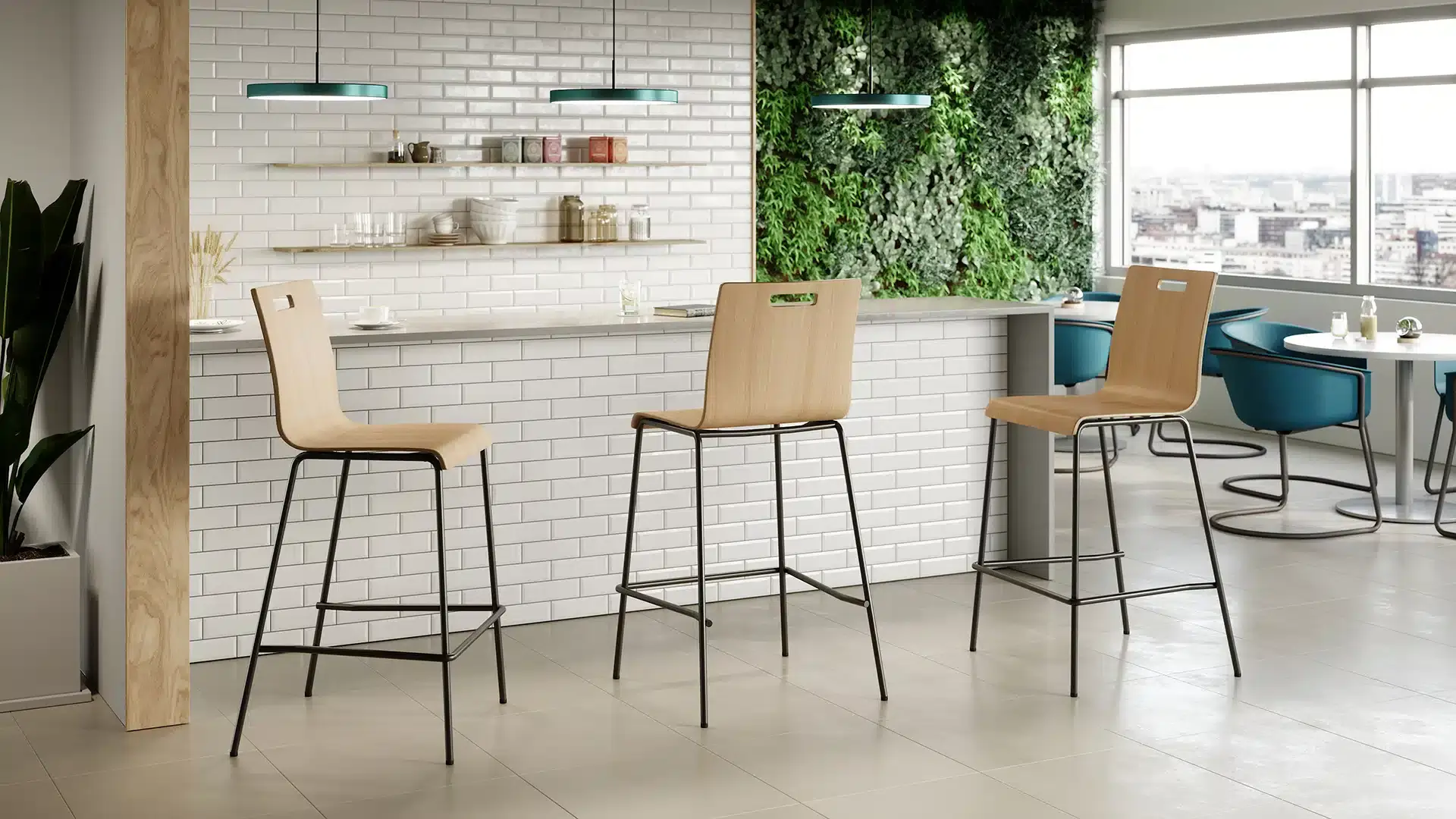
Safety often decides the debate, especially in busy elementary school lunchrooms with limited supervision. Stools can tip when students lean back or swing around while talking during lunch. Attached stools reduce that risk because the seats stay fixed to the table. Benches are very stable, though a student can still climb or stand on them. Rounded corners and smooth edges protect students during rushed moments on either seating style. Clear sightlines also help lunch staff spot small problems before they grow serious.
Cleaning and Maintenance Needs
Lunchrooms get messy fast, so surfaces must be easy to wipe down and sanitize. Benches have long smooth tops that custodians can clean in a single quick pass. Stools have more pedestals and seams, so crumbs and spills gather in corners. Plastic and laminate seats resist stains and moisture better than raw wood or fabric. Floor cleaning matters too, and wall mounted designs leave more open space to mop. Ask every supplier how the finish holds up to daily sanitizing and heavy use.
Cost and Long Term Value
Budget matters in every district, but the lowest price rarely gives the best value. Bench tables often cost less per seat because they use fewer parts overall. Stool tables can cost more upfront, though some models offer extra flexibility and comfort. Strong steel frames and thick tabletops help either style survive years of heavy use. Warranties and replacement parts can protect a school from sudden and costly repair bills. A business manager who pictures these tables after years of daily wear tends to pick the sturdier set.
So which one actually wins in the lunchroom, benches or stools, after all this? A school of little kids lands on a different answer than one with mostly teenagers. Between lunch periods, a custodian wipes a whole benchtop in one pass and moves on to the next. At a stool table, a middle schooler spreads out a little, since each round seat leaves more personal space. An undecided principal who stands in the lunchroom at noon watches where students bunch up and slow down. Chances are the answer will jump out at you once you actually see it.
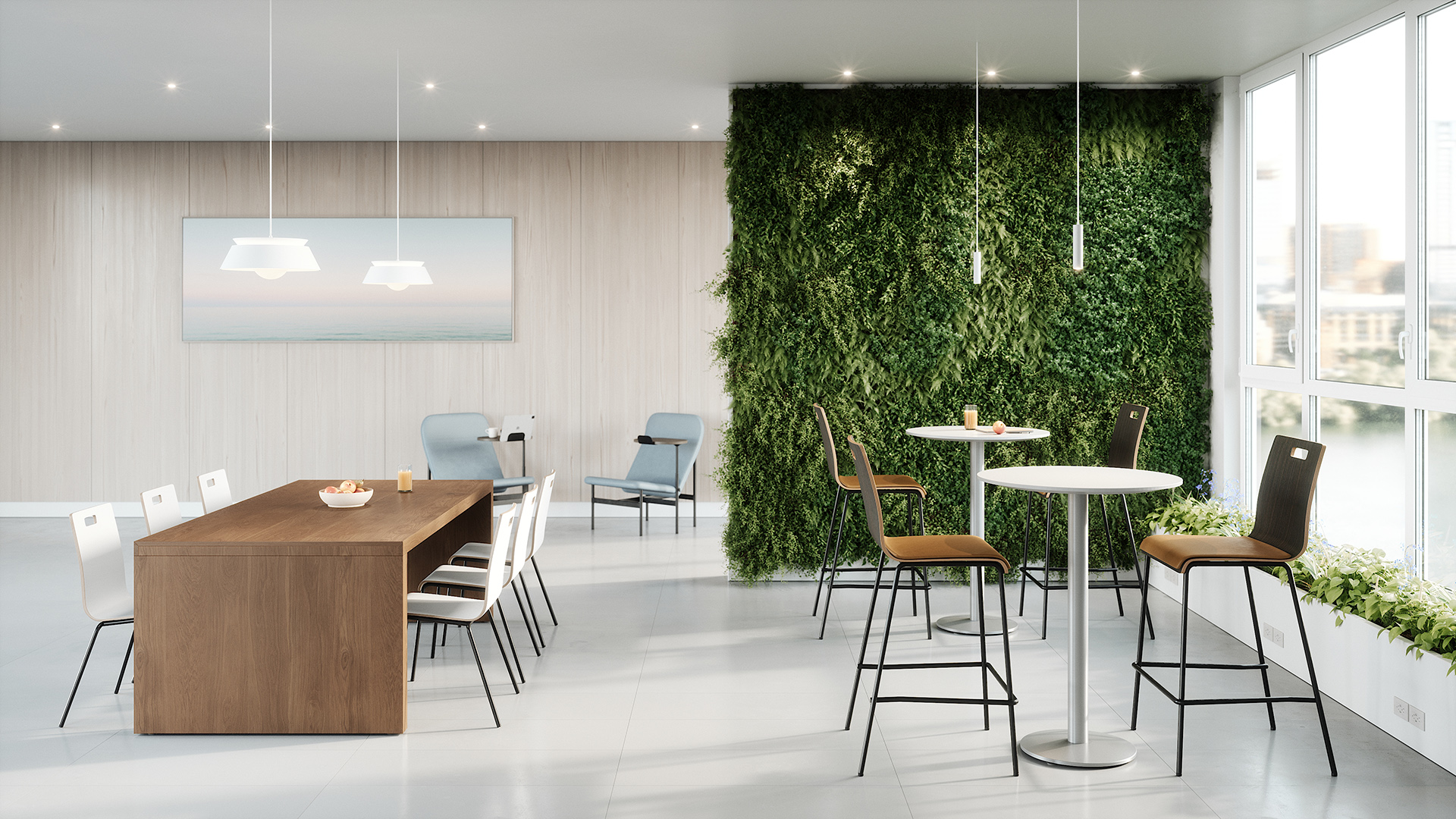
Editor’s Note: The opinions expressed here by the authors are their own, not those of Impakter.com — In the photo: Lunchroom seating options include communal tables, chairs and stools. — Photo Credit: Worthingtondirect