


Today’s ESG Updates
- Biodiversity Talks End With New Pledges, Same Money Row: Nearly 200 countries agreed to speed up nature protection by 2030, but wealthy and newly rich nations remain split on who should pay.
- EU to Assess Supermarket Cyberattack Readiness After Fridge Outages: Refrigeration systems failed in dozens of stores across at least six EU countries. Commissioner Hansen says food security is not at risk, but the incidents exposed weak points in the supply chain.
- Outback Data Centre Drops Start Date After Regulator Pause: Energy North is no longer tied to its June 2028 target after the Northern Territory regulator suspended its own deadline and said it will seek federal advice.
- TotalEnergies Spends More on U.S. Renewables as Others Head for the Exit: CEO Patrick Pouyanne calls the market “promising” despite less policy support ahead, and says anxious developers give his firm a chance to buy projects.
Biodiversity summit ends with new pledges, but no deal on who pays
Nearly 200 countries closed the UN’s COP17 biodiversity summit in Yerevan, Armenia, on Saturday with a fresh pledge to move faster on nature protection by 2030. Money remained the sore point. Wealthy donors such as Canada, Japan, the UK and Switzerland want other high-income nations to pay in. Still, China, Saudi Arabia, Russia and Argentina pushed back on any income-based test. The draft text adds that more contributors would help.
There were small wins. Germany, Iceland, Uzbekistan, Spain and others pledged $1.8 billion across two global funds. Delegates agreed to boost the role of cities and recognised the need to curb harmful subsidies. The UN says over 250 million hectares are now under restoration.
Even so, a $700 billion yearly gap remains, as Greenpeace says the Cali Fund is nearly empty, and the world is off track for 2030. Talks resume in Ecuador in 2028.
Klimado – Navigating climate complexity just got easier. Klimado offers a user-friendly platform for tracking local and global environmental shifts, making it an essential tool for climate-aware individuals and organizations.
Fridges go down across Europe as EU probes supermarket cyber threat

The European Commission will review how ready supermarkets are for cyberattacks. The move follows outages on Monday that hit refrigeration and freezer systems in dozens of stores. Retailers in at least six EU countries, namely Belgium, Luxembourg, Sweden, Ireland, the Netherlands and Estonia, reported problems. Some said fridge temperatures jumped as high as 50 degrees Celsius.
Agriculture Commissioner Christophe Hansen said the issue will go before the Commission’s Security College, which will assess retailers’ contingency plans and their ability to respond. No date is set, though an EU official said senior aides agreed a meeting should happen soon.
Similar incidents hit France in October, when hackers appeared to trigger defrost cycles from afar, and food spoiled. Hansen says food security is not at risk, but he calls the incidents a deliberate attempt to disrupt food supply and shake consumer trust.
Related Articles
Here is a list of articles selected by our Editorial Board that have gained significant interest from the public:
Australia’s outback data centre drops its start date after regulator pause

The developer of a planned 1 GW data centre in Australia’s remote north has pushed back its target start date. Energy North had given June 28, 2028 as its first power date in regulatory papers four months ago. It now says that was only an indicative schedule when the papers were lodged, and it is no longer tied to it.
The shift follows an October 7 decision by the Northern Territory environment regulator to suspend its own seven-week deadline. The regulator wants advice from the federal government, which is yet to finish its policy expectations for data centres and AI infrastructure. No new timeframe was given.
The regulator flagged 10 possible impacts, from strain on water systems to disruption of Aboriginal sacred sites, and voiced low confidence in the proposed safeguards. Energy North will confirm timing once the regulator sets terms for an environmental impact statement.

TotalEnergies spends more on U.S. renewables as rivals look to exit
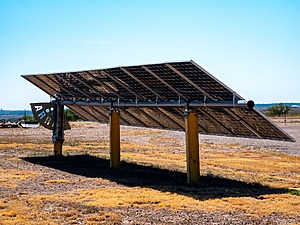
French oil major TotalEnergies’ U.S. renewables spend is slightly above its original plan as other developers look to leave the market, CEO Patrick Pouyanne said on Monday. He called the market “promising” even though government support is due to shrink.
A tax law passed in 2025 sped up the phase-out of wind and solar tax credits. To qualify, most new projects were required to start construction by July 2026 or be in service by the end of 2027. Pouyanne said developers, including TotalEnergies, have moved to speed up projects to benefit from the policy, and his firm has ramped up its wind focus.
Some developers fear the market will collapse around 2028 or 2030, he said. That lets TotalEnergies buy projects still in development and oversee their construction. He said larger U.S. projects explain the higher spend.
Editor’s Note: The opinions expressed here by the authors are their own, not those of impakter.com — Cover Photo Credit: Andreas Schnabl