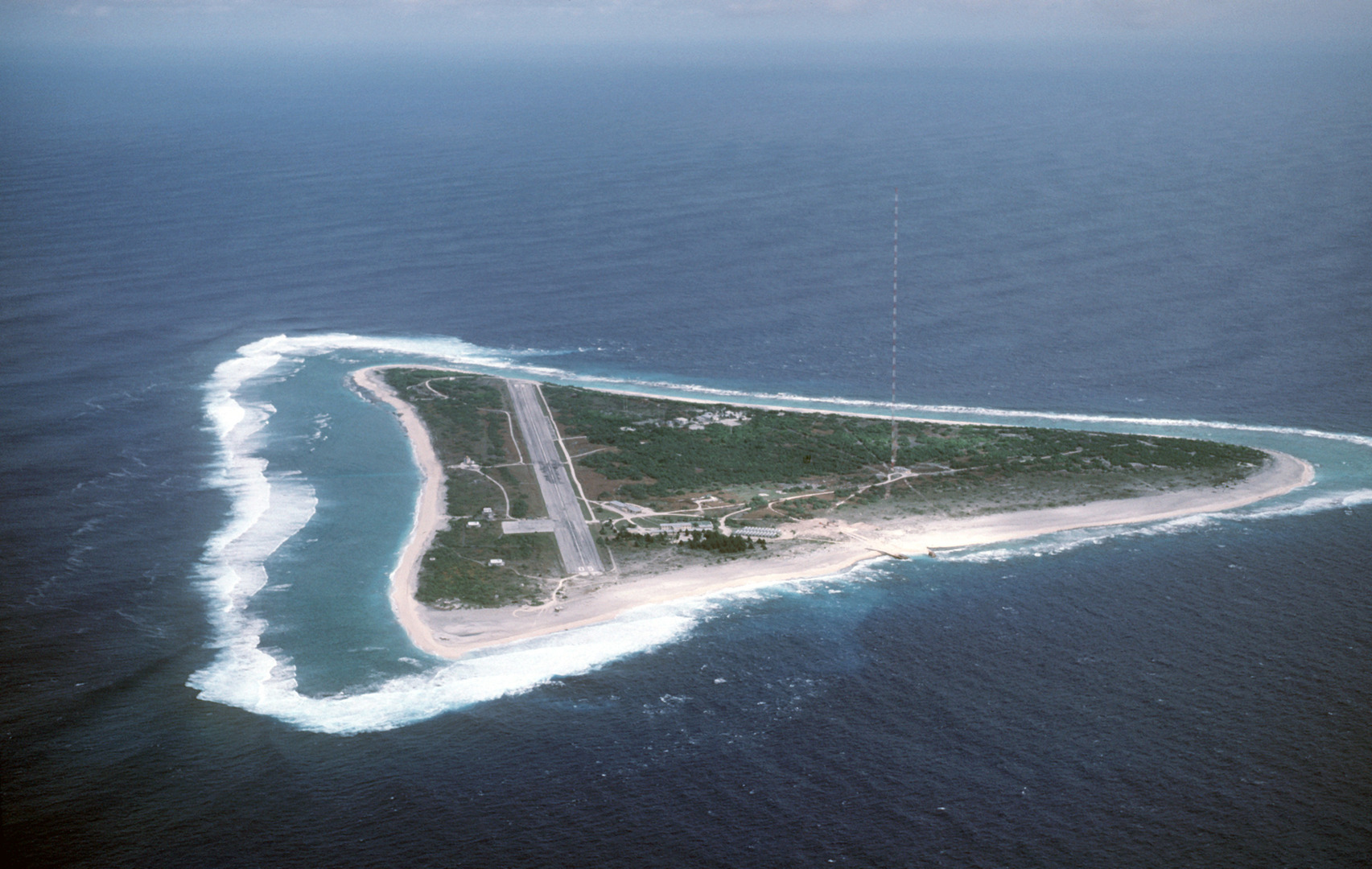
For decades, Japan has struggled to maintain an expensive nuclear energy sector while lacking a permanent place to dispose of the highly radioactive waste those plants produce. This month, the Mayor of Ogasawara Village, Masaaki Shibuya, expressed his willingness to allow a central government survey of Minamitorishima Island to assess its suitability as a final disposal site.
Part of the Ogasawara island chain, Minamitorishima is Japan’s easternmost point, located approximately 2,000 kilometers southeast of Tokyo. Unlike the previous sites considered, Minamitorishima has no civilian population; it is inhabited solely by personnel from the Maritime Self-Defense Force, the Japan Meteorological Agency, and the Land, Infrastructure, Transport and Tourism Ministry.
The island is also significant because — despite the vast distances involved — it ultimately falls under the jurisdiction of the Tokyo metropolitan government, as opposed to a local prefecture. Previously, only three other places were considered for this purpose: the town of Suttsu and the village of Kamoenai in Hokkaido, and the town of Genkai in the Saga Prefecture.
Mayor Shibuya’s announcement followed community meetings held on the inhabited islands of Chichijima and Hahajima. While the mayor emphasized that “the government should be the one to make the decision,” his willingness to accept a “literature survey” (first-stage survey) represents an important turning point in the site selection process. This is the first of three stages in selecting a site. If the survey proceeds, Minamitorishima would become the fourth location in Japan to undergo such an evaluation.
Japan and nuclear energy
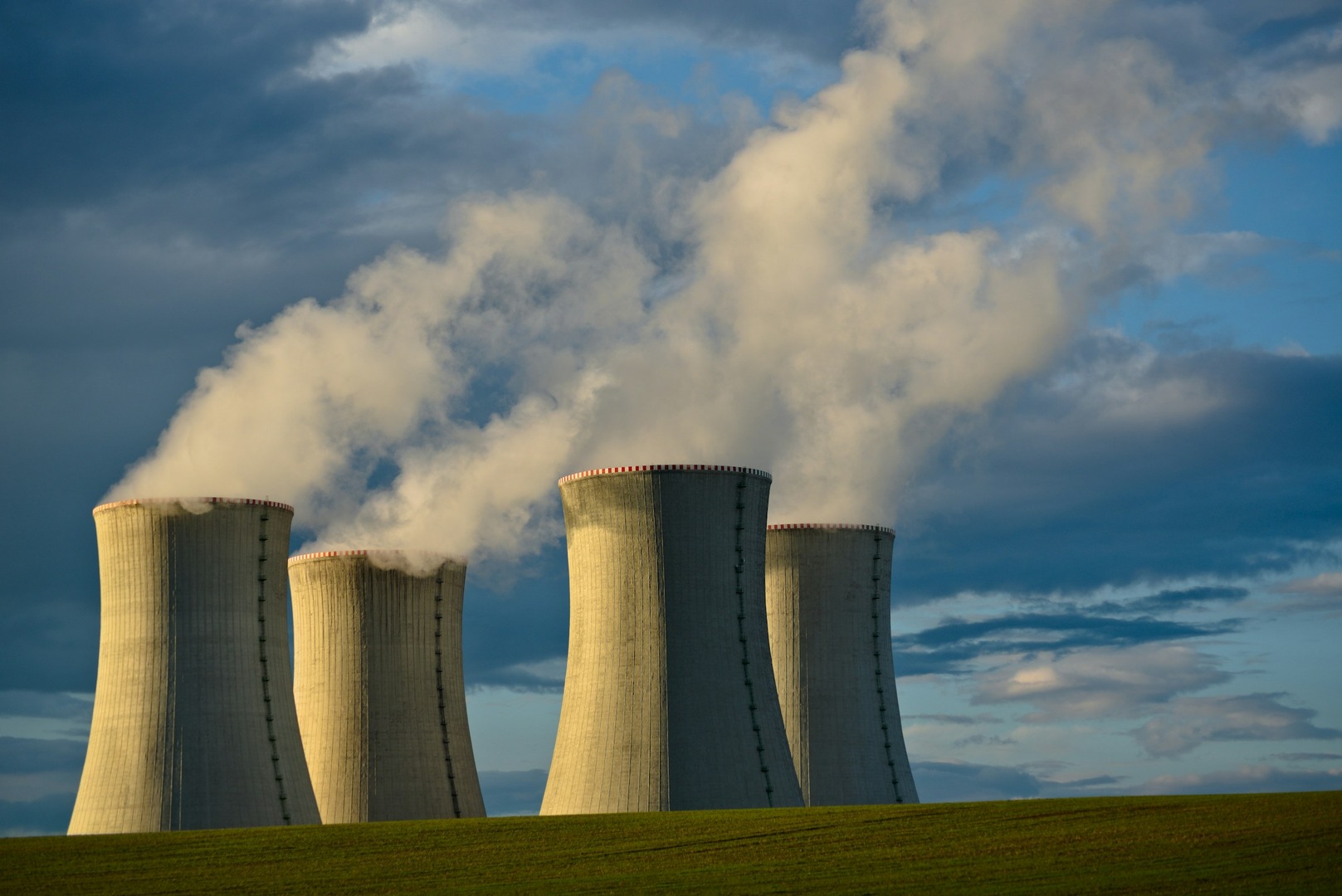
Following the 2011 Fukushima disaster, which was triggered by a massive earthquake and tsunami, public opinion turned against nuclear energy. Consequently, Japan shut down all of its 54 nuclear reactors to allow investigations into the accident and to debate the future of nuclear power in the country.
Since 2015, however, Japan has been restarting nuclear plants, and 15 of its 33 operable reactors have been reactivated since. The decision was driven by the need to meet growing electricity demands and to secure a more stable energy supply.
Opposition
Although the mayor of Ogasawara has agreed to a geological survey on the remote Minamitorishima for possible high-level nuclear waste storage, the plan has some local opposition. Residents of the Ogasawara island chain have raised concerns about negative publicity and potential environmental risks. At a community meeting on Hahajima Island, one resident, 41-year-old restaurant owner Mitsuhiro Orita, criticized the decision as “far too hasty.”
Environmental groups such as the Citizens’ Nuclear Information Center (CNIC) have also highlighted serious technical problems with the site. According to a CNIC statement, Minamitorishima is a small coral island of only about 1.5 km² with a maximum elevation of around nine meters above sea level. Its shallow subsurface consists of porous limestone with low water-shielding capacity, raising risks of flooding during high tides or storm surges.
These issues are expected to worsen with typhoons, potential tsunamis, and future sea-level rise due to global warming. The limited space and difficult geology also pose major challenges to safe long-term storage of nuclear waste.
The three-stage selection process
The Japanese government’s framework for geological disposal is a rigorous, 20-year process managed by the Nuclear Waste Management Organization (NUMO). It is designed to ensure the long-term safety of the environment and the public. Here’s what the process looks like:
- Literature survey (2 years) — the review of historical records, written references, and other documentation regarding past earthquakes, volcanic eruptions, fault activity, uplift, and erosion in order to determine the suitability of the area and its surroundings. This assessment will verify that previous data shows no signs of significant geological disturbances from natural events, and that there is no identified risk of such phenomena in the future. Municipalities that agree to this stage can receive up to 2 billion yen in government subsidies.
- Preliminary survey (4 years) — during this stage, researchers will drill boreholes, dig trenches, and take geological measurements from the surface to study the rock layers, groundwater, and soil conditions. These should confirm that the area is stable enough for long-term storage, that the rock is suitable for building tunnels, and that the flow of underground water will not cause any problems for the facility.
- Detailed investigation (14 years) — at the same time that surface studies are happening, teams will build underground research labs to conduct hands-on tests. These experiments should confirm that the physical and chemical properties of the deep rock are truly suitable for building a safe, permanent storage facility.
Related Articles
Here is a list of articles selected by our Editorial Board that have gained significant interest from the public:
Where is Japan’s nuclear waste stored today?
Japan’s nuclear waste is currently held in storage across the country. As of September 2016, approximately 14,830 tonnes of used fuel were held in wet and dry storage at nuclear power plants, filling about 71% of the existing storage capacity. To manage this inventory, some power plants utilize dry storage, which the Nuclear Regulatory Authority (NRA) regulations, effective since 2013, specify should use convection cooling. This storage is meant to be interim, as Japan’s national policy is to reprocess used fuel at the Rokkasho Reprocessing Plant.
However, the commercial operation of the Rokkasho plant has faced repeated delays, with the current target now set for 2027. Because this reprocessing pipeline is not yet fully operational, utility companies have been forced to keep used fuel on-site for longer than originally planned, making the management of this material a major logistical issue for Japan.
Editor’s Note: The opinions expressed here by the authors are their own, not those of impakter.com — In the Cover Photo: Aerial view of Minamitorishima Island. Cover Photo Credit: Wikimedia Commons