Today’s ESG Updates:
- The Iran War Is Breaking the Global Gas Supplies: The Iran war has triggered the biggest energy supply shock in modern history, and the world may be kicking its gas habit for good.
- Ukraine Pipeline Restarts Russian Oil Flow to Europe: Ukraine has restarted the Druzhba pipeline, convincing Hungary to drop its veto and finally unlocking a long-blocked €90 billion EU loan for Kyiv.
- Australia Bets on Homegrown Biofuel to Break Free From Foreign Oil: The State of Queensland is investing A$25 million to turn waste oils and animal fats into renewable diesel locally.
- Indonesia Targets June Groundbreaking for Five Waste-to-Energy Projects: Indonesia is fast-tracking five waste-to-energy plants as part of a presidential mandate to scale up clean energy and cut reliance on landfills nationwide.
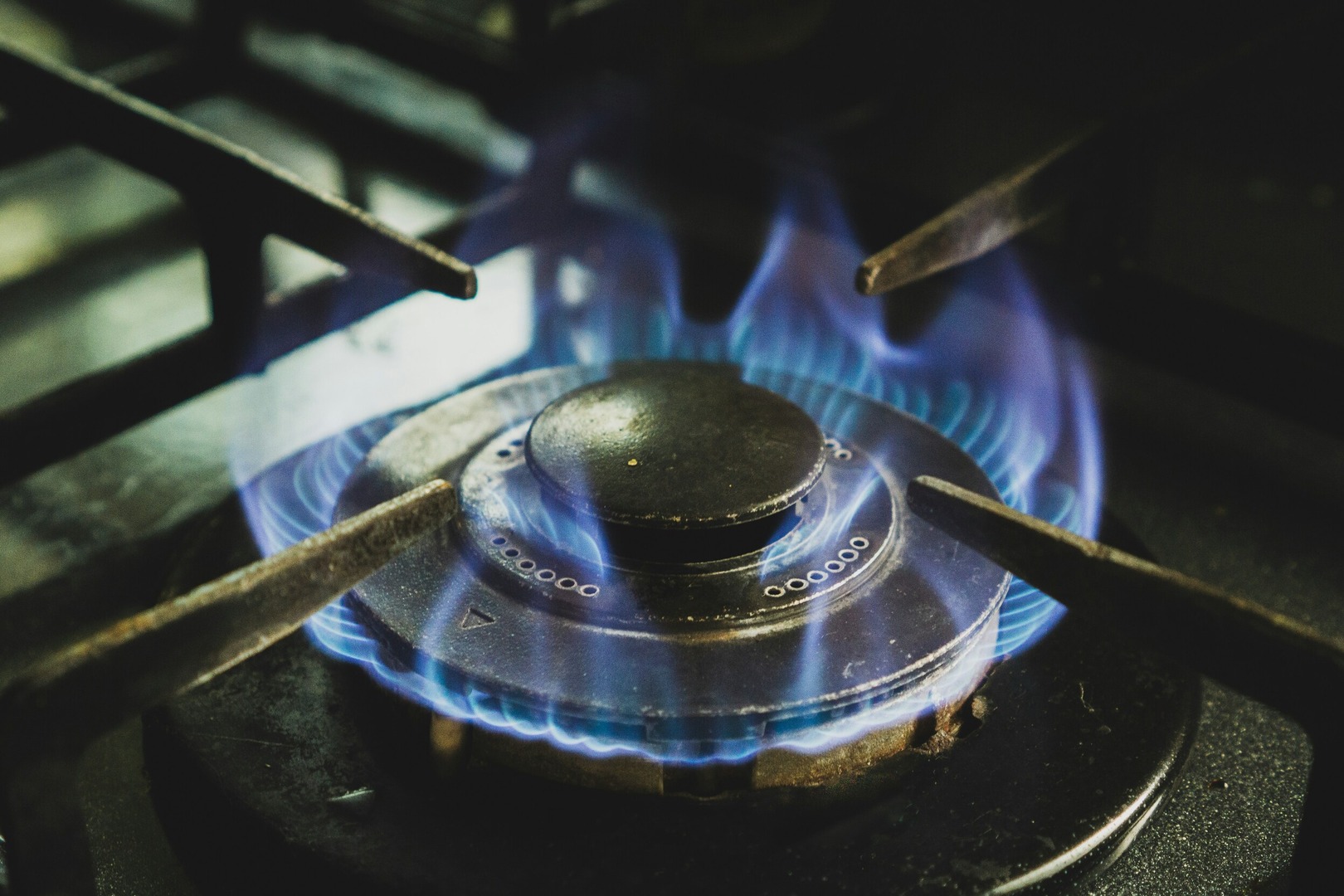
The Iran War Is Breaking the Global Gas Supplies
The Iran war is triggering what could become permanent damage to global natural gas demand, and Africa is missing its chance to cash in on the chaos. Since the Middle East conflict kicked off in late February, over 500 million barrels of crude oil and oil condensate have been wiped from global supply. Countries are scrambling for alternatives, with some pivoting to coal and fast-tracking renewables, which is “fine-ish” in the short term.
The head of Nigerian LNG, Philip Mshelbila, warned at an African energy conference that “if the conflict lasts six months, those knee-jerk changes could become structural”. He also flagged that 2026 was supposed to be the year gas markets flipped from tight to oversupply, and now that’s in serious doubt: “It’s not yet clear whether it’s just a delay, or whether that glut will ever come.”
Meanwhile, African producers with spare LNG and pipeline capacity are failing to seize the moment, with Mshelbila bluntly noting that Algerian and Libyan export pipelines to Europe are running at half capacity. Mr. Mshelbila, “The reserves are there, but they are still in the ground,” leaving North American producers to gobble up the European and Asian markets instead.
***
Further reading: Iran war conflict could create systemic gas demand destruction, says top sector official
Klimado – Navigate climate complexity with a user-friendly platform that tracks global and local environmental changes for ESG-conscious decision-making. Perfect for investors, companies, and policymakers seeking actionable insights on sustainability trends.
Ukraine pipeline restarts Russian oil flow to Europe
Ukraine has restarted Russian oil flows through the Druzhba pipeline to Hungary and Slovakia, breaking a months-long deadlock and unlocking a €90 billion EU loan for Kyiv. Hungary lifted its veto once the oil started flowing again, with Hungarian oil group MOL confirming deliveries were en route and Slovakia expecting its first shipments “in the early hours of Thursday.” The pipeline can carry up to 1.2–1.4 million barrels per day; however, it was knocked out by Russian attacks in late January, and Ukraine has been blamed for slow repairs, although Kyiv says Russia caused the damage.
The loan drama is also tied to geopolitics: Orbán lost Hungary’s April 12 election, his replacement, Peter Magyar, has pledged to stop blocking EU funds, and Brussels is simultaneously pushing through its 20th round of sanctions on Russia targeting energy, banking, and trade, which the pipeline dispute had also held up. Meanwhile, Slovakia’s Prime Minister Robert Fico threw shade on the whole matter, as “I would not be surprised if the 90-billion loan were unblocked and then oil supplies were cut off again.”
***
Further reading: Ukraine restarts Russian oil to Europe, unblocking 90-billion-euro EU loan
Related Articles
Here is a list of articles selected by our editorial board that have gained significant interest from the public:
Australia bets on homegrown biofuel to break free from foreign oil
The state of Queensland in Australia is putting A$25 million into a renewable diesel plant at Ampol’s Lytton refinery in Brisbane, converting waste, vegetable oils, and animal fats into 20 million liters of biofuel per year from 2028, enough to cover roughly 10% of Australia’s daily oil use, with the government signaling hundreds of millions more liters could follow by the early 2030s.
The move is a direct response to fuel price spikes and supply fears triggered by the US-Israeli war on Iran disrupting Middle East oil flows, with Premier David Crisafulli putting it bluntly: “These projects are important to ensure we are never again left at the mercy of foreign nations at the end of a global supply chain”.
***
Further reading: Australia’s Queensland invests in biodiesel to cut reliance on fuel imports

Indonesia targets June groundbreaking for five waste-to-energy projects
Indonesia is moving fast on waste-to-energy, with five plants breaking ground in June 2026 and a much larger pipeline behind them. The government has greenlit five waste-to-energy power plants in Bekasi, Yogyakarta, Bogor Raya, Denpasar Raya, and Bandung Raya, all set to break ground in June 2026 across 30 agglomeration areas spanning 61 districts and cities. Each site will process more than 1,000 tons of waste per day, with the total system capacity projected at 33,000 tons per day.
A Phase II tender is planned for 12 more locations, led by Indonesia’s sovereign wealth fund Danantara, and is set to kick off in the second half of 2026. The urgency is real: as Coordinating Minister Zulkifli Hasan made clear, this is a presidential directive with teeth: “if it is not completed within seven weeks, the central government will take over.” Beyond waste management, the projects are framed as a way to reduce fossil fuel use and a public health win, particularly for communities living near landfill sites.
***
Further reading: RI targets June groundbreaking for five waste-to-energy projects
Editor’s Note: The opinions expressed here by the authors are their own, not those of impakter.com — In the Cover Photo: A gas stove flame, derived from natural gas. Cover Photo Credit: KWON JUNHO on Unsplash