U.S unilateral sanctions have been widely criticised for their wide-reaching and detrimental effects on the people that they often claim to benefit – and no time more so than now. Studies show that they have been largely ineffective in achieving their political aims, and in fact can be counterproductive, with unintended and worrying consequences. Essentially, such studies suggest that U.S sanctions are not compatible with the Sustainable Development Goals (SDGs), and may be barriers to achieving a number of them.
In May this year, Narges Saffar, Chief of International Affairs to the Department of Environment (DOE) in Iran, released a statement to the Seventh Asia-Pacific Forum on Sustainable Development (APFSD7), conveying Iran’s hope:
“[W]e all pledge the international social solidarity as a morality factor for achieving the SDGs. We also hope no potential political leverage could result in any attempt to flout the fundamental principle of the SDGs ‘leaving no one behind.’”
Of course, it is not just the ill effects of COVID-19 that Iran is dealing with. One might be safe to presume that the “political leverage,” of which Ms Nargues alluded to, is that of the Trump administration and its use of secondary sanctions.
The Trump administration and its decision not to lift sanctions during the COVID-19 pandemic has attracted the disapproval from human rights organisations, including the Human Rights Watch and key UN members such as Secretary-General António Guterres and Michelle Bachelet, UN High Commissioner for Human Rights who announced that sanctions are hindering medical work in Iran, Cuba, the Democratic People’s Republic of Korea (DPRK), Venezuela and Zimbabwe.
Additionally, UN Special Rapporteur Hilal Elver said that “continued imposition of sanctions in some countries severely undermined the fundamental right to sufficient and adequate food,” identifying Syria, Venezuela, Iran, Cuba and Zimbabwe as countries where sanctions are causing malnutrition.
Yet, claims that unilateral economic measures worsen suffering for the most vulnerable groups in society are not new. The measures have long been criticised for their broad and far-reaching negative effects on human rights issues and sustainable development.
In a 2017 report of the UN Secretary-General titled “Unilateral economic measures as a means of political and economic coercion against developing countries,” such measures were deemed as inconsistent with the principles of the UN. Presented to the second committee for Macroeconomic Policy, speakers emphasised that “the cessation of unilateral sanction would be critical to achieving sustainable development.”

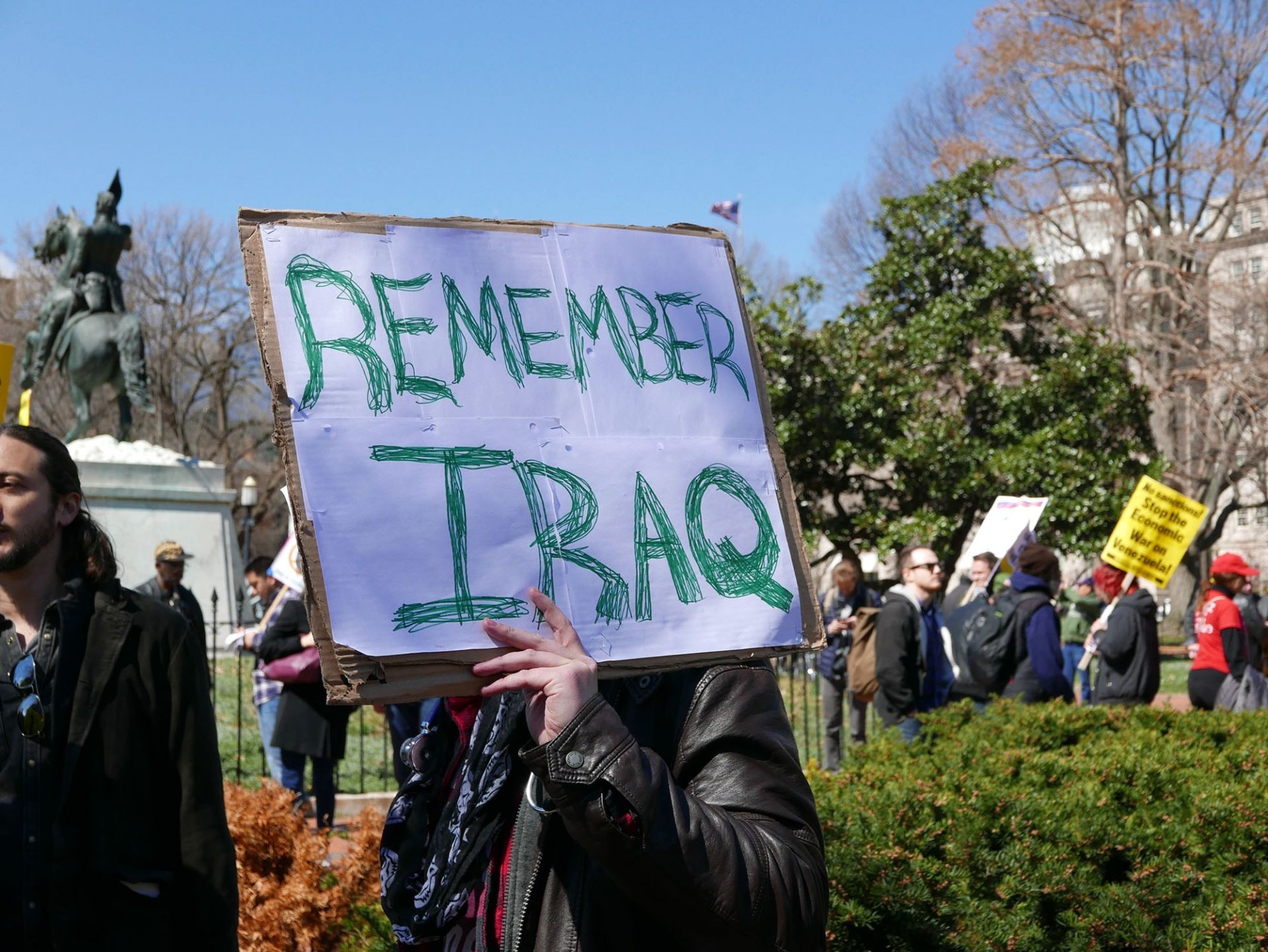
Yet, it is 2020, and the U.S. still enforces measures that were identified as ineffective and counterproductive in challenging the governments they oppose already in 1999. Part of the issue is the pervasive belief that sanctioning could bring about positive results in the long-term for the people living under oppressive conditions, the theory being that increasing the pressure they are under will instigate them to rise up against their own governments. Another aspect is the idea that sanctions act as a deterrent for governments engaging in unwanted behaviours.
“[T]he past two decades have seen widespread acknowledgement by sanctions scholars and policy-makers alike that the civilian pain caused by comprehensive sanctions outweighs any political gain that may be achieved.”
— Dr. Erica Moret
Experts on the effects of sanctions, however, say otherwise. For instance, Research Associate at Oxford University’s Changing Character of War Programme Dr. Erica Moret in 2012 was emphatic within one of her papers regarding this matter, “[T]he past two decades have seen widespread acknowledgement by sanctions scholars and policy-makers alike that the civilian pain caused by comprehensive sanctions outweighs any political gain that may be achieved.”
According to a 2010 study, economic sanctions are also said to contribute to the deterioration of democracy and undermine opposition groups, providing the targeted governments with “more incentives and opportunities to restrict democratic freedoms,” ultimately working to decrease political rights.
A report published in the Economic Institute of Affairs (iea) concluded from analysis of extensive research of sanctioned countries, such as North Korea and Russia, that sanctions increase suspicion and hostility toward the rest of the world. By breaking the targeted nation’s link to the global marketplace, they cause its people to rely on state-intervention and to view the rest of the world with suspicion. A point less considered, sanctions imposed on one country have also caused neutral third-party countries significant financial losses through loss of trade.
Good Health and Wellbeing
Apart from the implications on health and well-being of sanctioned societies, sanctions have made obtaining certain pharmaceutical drugs difficult or impossible — a problem which preceded the COVID – 19 pandemic.
In the case of Iran, obtaining specialised treatment for conditions and diseases such as leukaemia, epidermolysis bullosa, epilepsy, and chronic eye injuries has been seriously affected by secondary sanctions. Additionally, as a result of secondary sanctions, the transferring of donor funds to humanitarian actors such as the Norwegian Refugee Council, which supports thousands of Afghan refugees, has become a near-impossible feat. Humanitarian aid is not sanctioned, yet banks, concerned that they may inadvertently break U.S. rules and end up black-listed, steer clear from transactions with Iran.
Sanctions have also been reported as affecting the procurement of medicines in Syria. Despite the EU and U.S. sanctions drawing up new guidelines for humanitarian aid and assistance in response to COVID-19, international organisation Crisis Group predicts that “International NGOs may well be deterred from supporting much-needed small-scale rehabilitation projects amid uncertainty as to how U.S. authorities will define ‘humanitarian aid’ or ‘reconstruction’”.
Having considered the impacts of the economic sanctions imposed on Venezuela by the U.S. government, a 2019 report published in the Center for Economic and Policy Research alarmingly concluded that sanctions have inflicted serious harm to human life and health — pointing to reduced public caloric intake as one of the consequences.
Gender Equality
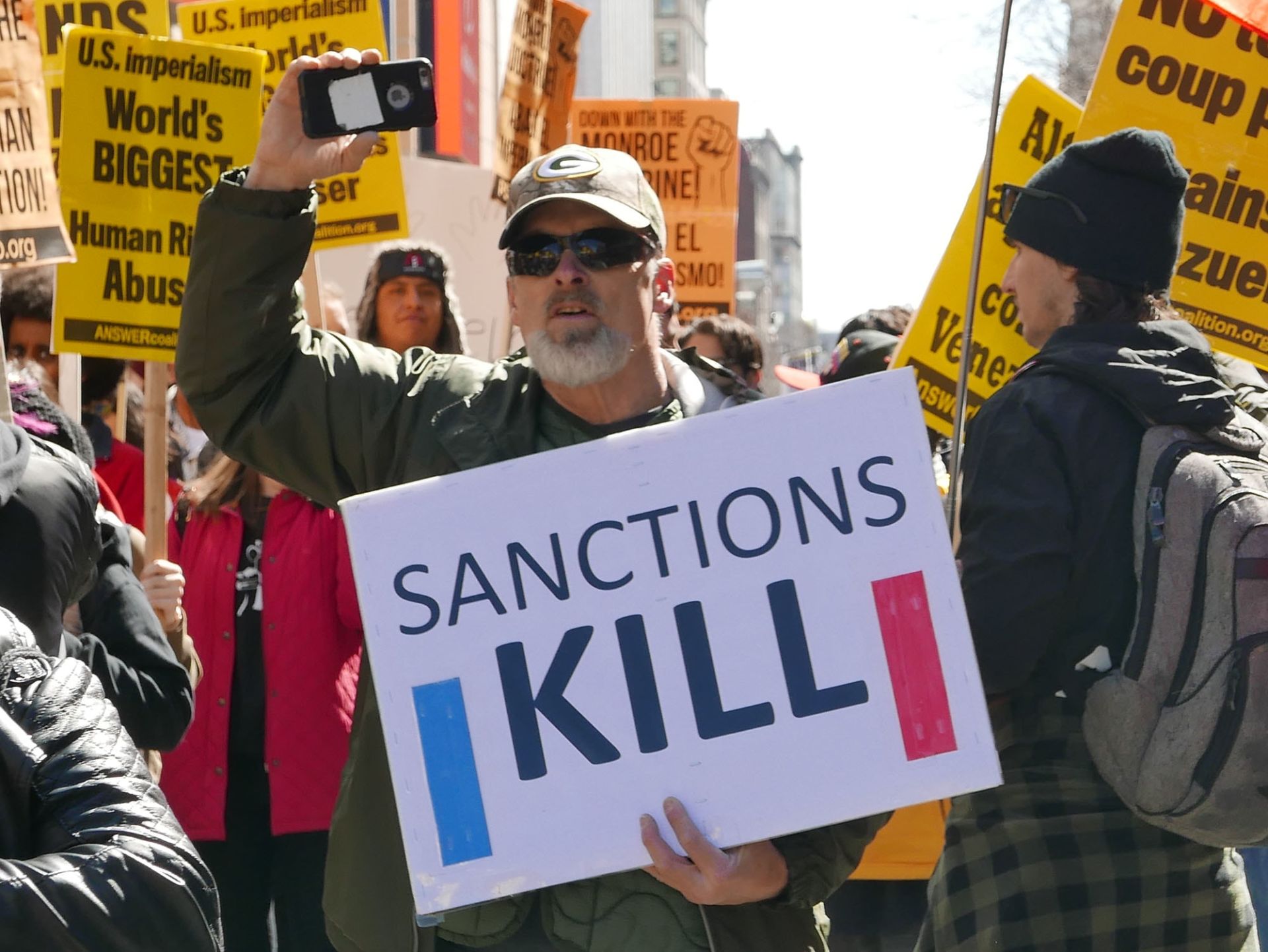
U.S. economic measures are not just broad but gender blind. They do not account for women and vulnerable groups, including children and the disabled, ultimately suffering the most. This is ironic considering how the rights of vulnerable groups and women are used frequently to justify these measures.
In 2012, a study analysing 146 countries from 1971 to 2005 concluded that sanctions have a negative effect on women’s rights, their status in society and their participation in the workforce. They hurt access to social welfare as governments become less able to sponsor social programs. Furthermore, women’s equality in the workplace declines. They are the first targets for layoffs, lower pay, and discrimination when the economy is struggling.
Related Articles: Guantanomo Bay | The Threat to Human Rights | Equality in a Post Pandemic Era
The disposition for violence rises too. Economic crises are a breeding ground for feelings of frustration, anger and helplessness, which essentially aren’t favourable conditions for social change to flourish. In December 2019, Maria Hernandez Royett, Activist and Researcher of the impact of U.S. sanctions on Venezuelan families, discussed in an interview how the rise of femicides and rapes are linked with the deteriorating economic conditions and pressures brought about by the measures. In May 2019, more than 170 members and supporters of Iran’s women’s movement signed a statement strongly opposing sanctions — most of whom were women based inside Iran.
How could such gender-blind policies help to improve the situation of women living in patriarchal societies? It is naive to imagine that measures which are focusing on creating deep frustration or anger would bypass the vulnerable members of society and go straight to the top. Considering that the U.S. uses such coercive measures in an attempt to evoke governmental change, it seems counterintuitive to stick adamantly to measures which are shown to increase cycles of dependency and violence on a large percentage of a society’s population.
Sustainable Cities, and Responsible Consumption & Production.
Stunted economic growth also negatively affects social inequality, which is then also linked to health. For sustainable development, it is important that there is a healthy and productive workforce. Economic growth also works to elevate the levels of health and wellbeing. Yet, data shows that sanctions do affect health indirectly through negatively impacting air pollution and the environment. This, of course, has and continues to impede the goals set for Sustainable Cities and Responsible Consumption and Production by 2030.
A 2019 empirical study of Iran’s pollution levels, for example, concluded that lifting sanctions was important for several reasons related to CO2 emissions and sustainable development in Iran. Firstly, in relation to the latter, because having an open economy generates higher incomes, which causes individuals to increase their demand for a cleaner environment and more stringent environmental regulations. This, in turn, encourages firms to adopt a clean production process. Furthermore, the restrictions on production and imports of eco-tech goods mean that individuals and businesses must opt to buy cheaper domestic products that are less eco-friendly. During Iran’s temporary respite of sanctions, for example, businesses were shown to have been incorporating sustainable practices in order to enter the international market. New technologies became more available, and foreign investments had increased.
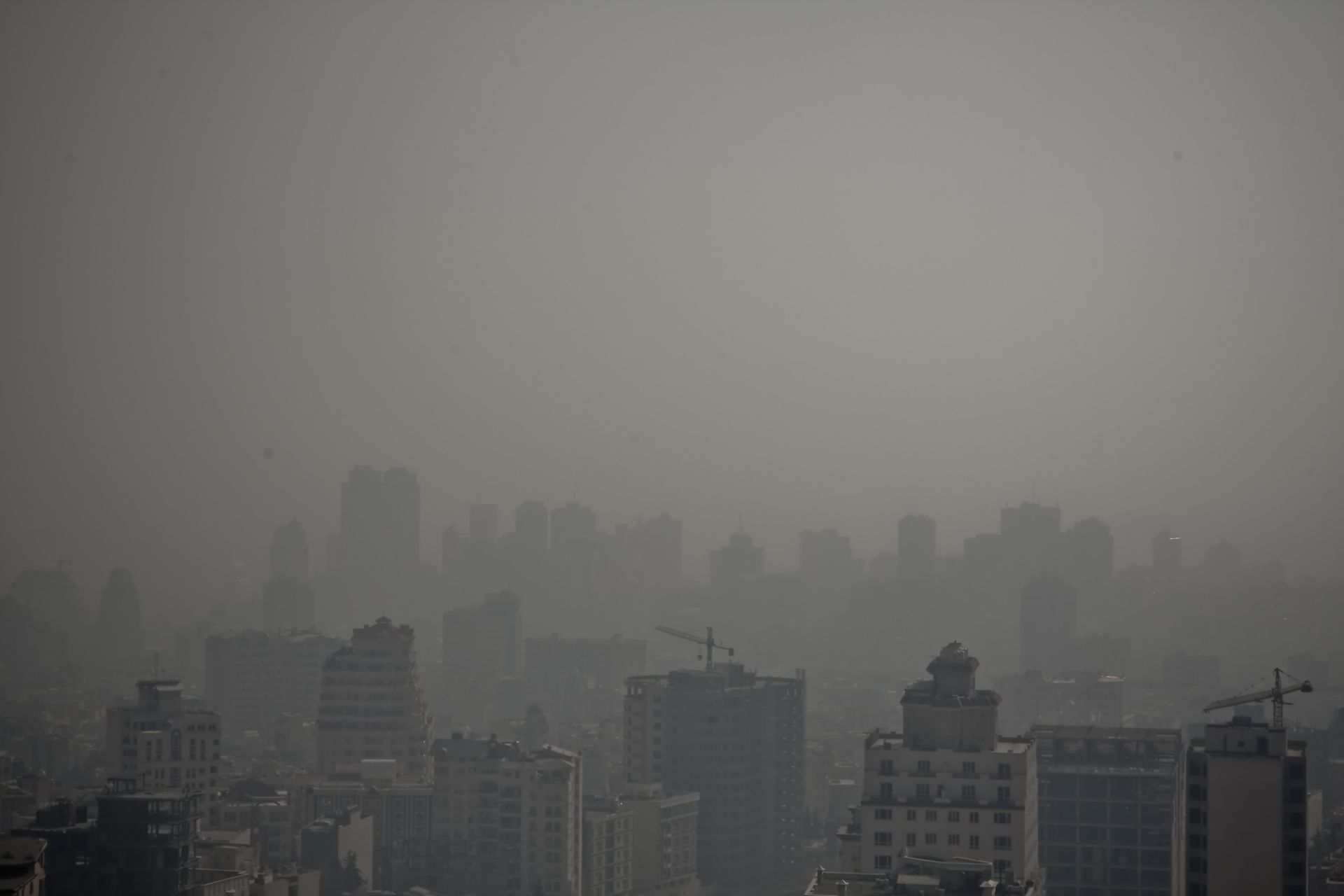
Consequences of sanctions which penalised imports of petroleum into Iran were also grave for Iran’s air pollution. Not adept in oil-refinery, Iran responded to the urgent need for gasoline by developing its own refining technology and generating what is a major cause of fatal air pollution today, which is linked with the rapidly growing number of cases of cancer and respiratory illnesses.
Reliant on burning coal for its energy needs, North Korea faces serious air pollution concerns too. Limited access to low emission and energy efficient technology, and limited capital investment in infrastructure were indicated in a 2012 report on the environment and climate change outlook.
When sanctioned countries point the finger at sanctions for issues such as increased pollution, it is easily framed as mere excuses, trying to divert attention away from their own mismanagement, as well as exploiting an opportunity to criticise the sanctions. But, regardless, access to new technology and funding is a reality. It makes sense to assume that Governments under sanctions must still meet the necessary energy needs, whether environmentally sound or not. They, too, must prioritize their attention on other matters, such as labour, rather than environmental concerns.
Those living under the financial uncertainty and hardship, which these measures bring, simply have fewer resources, funding, and much more pressing and immediate concerns to address. Environmental activists, human rights activists and concerned policymakers trying to push for improvements in areas of sustainable development will already be facing internal challenges. But sanctions, whether directly or indirectly, bring greater challenges for achieving sustainable development goals.
Editor’s Note: The opinions expressed here by Impakter.com columnists are their own, not those of Impakter.com
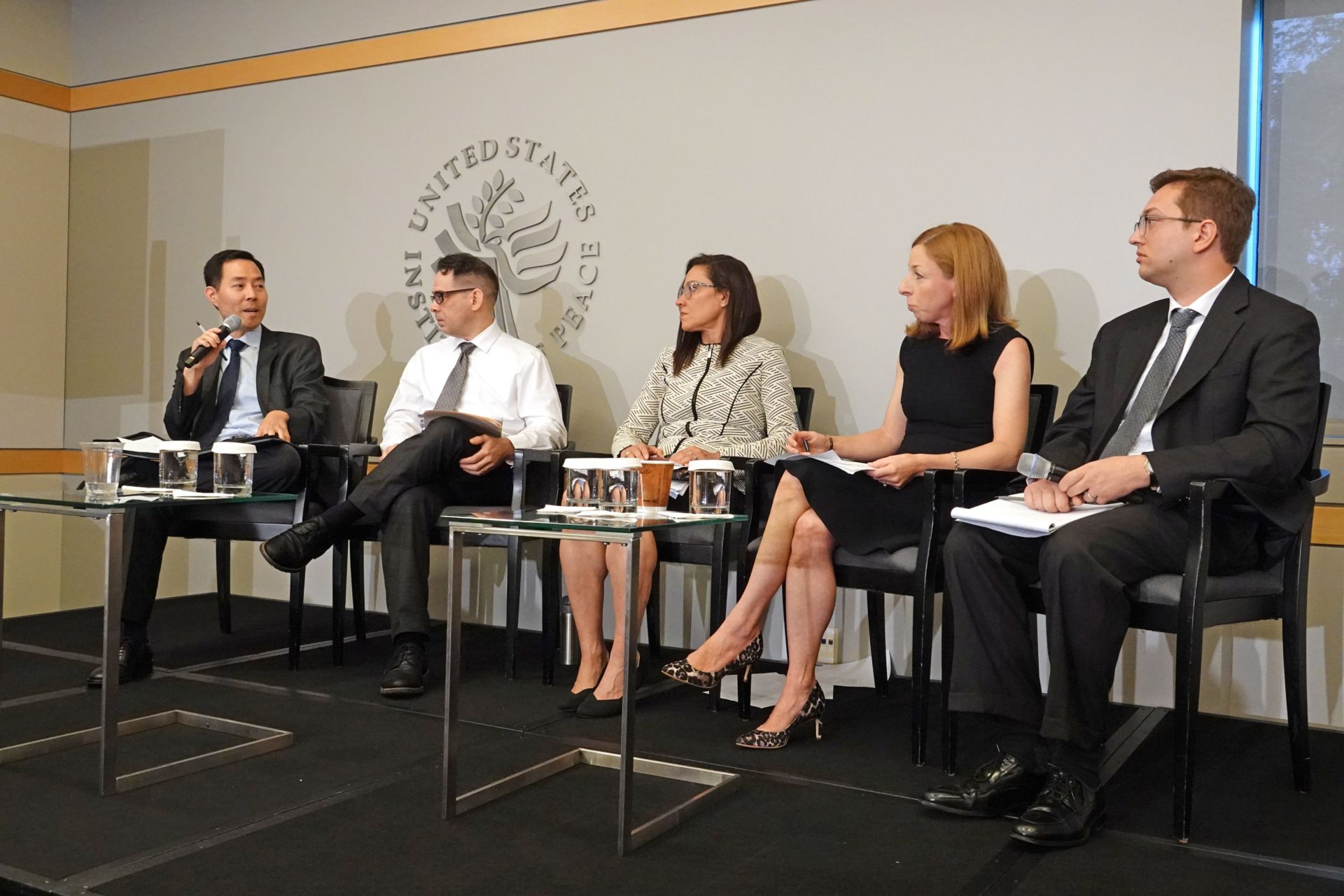
In the Featured Photo: Experts discuss the pros and cons of sanctions relief for North Korea. Photo Credit: U.S. Institute of Peace