Combined with climate change, pandemics threaten to slow down or reverse progress in gender equality, further threatening food, income, and nutrition security.

COVID-19 is intensifying climate change impacts, adding extra pressure to food systems, livelihoods, and health. Women are especially affected by this added pressure due to their critical roles, both paid and unpaid, in food production, healthcare, and the household. Gender-based vulnerabilities are further exposed due to social norms that dictate women’s behavior. For instance, in times of food insecurity, women tend to eat last, often skipping meals.
Women and agriculture
Globally, one in three women works in agriculture, which tends to be informal, low paid, and especially vulnerable to shocks. For example, when droughts and floods limit access to safe water, more time and energy must be spent collecting water for sanitation and food production. In Africa, these effects are aggravated by current lockdowns that have restricted movement amidst conflict and locust infestations. This, coupled with their existing care burdens, means women have less time to spend in their own fields or in paid work when a family member falls ill.
Related topics: Gender Discrimination Provides Fertile Ground for Increased Inequality – Electrifying Africa: Gender Focus Is Crucial – The gender dimension of climate change
For instance, during the 2014–16 West Africa Ebola virus disease outbreak, the movement of goods and people was restricted, limiting women’s ability to cultivate their land and engage in other agricultural activities. As a result, many women defaulted on village savings, further stunting their long-term economic prospects. Additionally, as household incomes decline, the demand for products produced by women also falls. For example, due to COVID-19, women poultry and dairy producers in Uganda are unable to find a market for their eggs, live birds, and milk, intensifying economic stress.
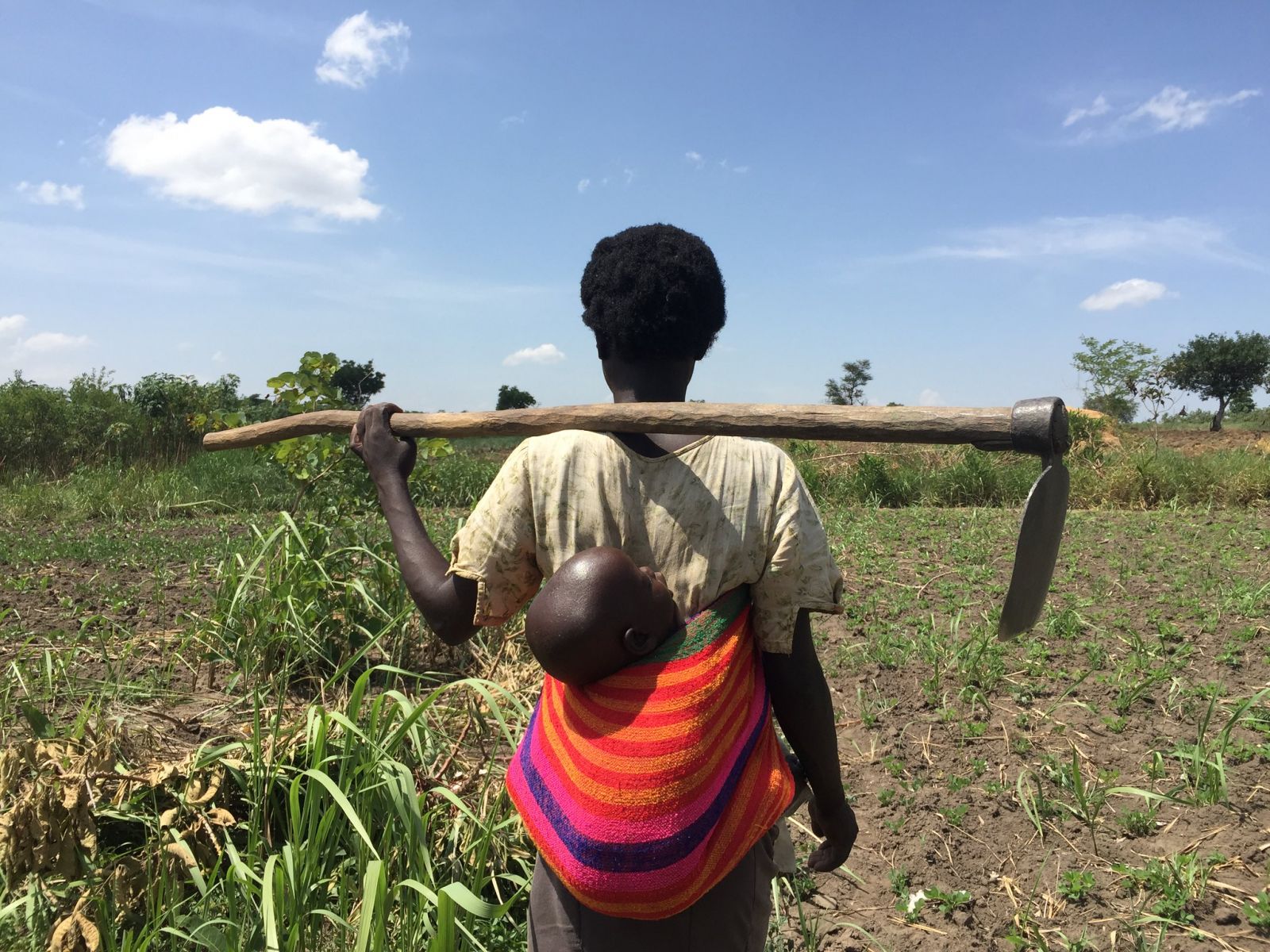
Women are especially vulnerable to system shocks as the demand for their goods plummets in the face of economic uncertainty. Photo Credit: Mariola Acosta
Not only does climate change make women’s work more difficult, disease vectors and transmission rates also shift with changing weather patterns and extreme climate events (e.g. risk of malaria epidemic increases after an El Niño event). Disease and climate change are intimately linked, with an estimated 75 percent of emerging diseases considered zoonotic and exacerbated by changes in the environment. As women make up two-thirds of low-income livestock keepers their risk of infection is heightened while the demand for their time, in the form of care, is also increased. This is also, however, an area where women’s knowledge is important, as their experience in managing zoonotic disease risks may help curtail the continued spread of disease.
Migration by men and youth is also triggered by climate effects, as an economic coping mechanism to offset crop/livestock failures and low pay in the agriculture sector. Pandemics, like COVID-19, may force these household members to return from cities and other countries. While, in some cases, this may reduce their household and agricultural workloads, women may experience reduced decision-making power, autonomy, and household incomes as remittances dry up. As lockdowns keep women isolated and economic stress intensifies, rates of domestic violence are also likely to increase.
Preparing for and coping with shocks
It’s important to remember, however, that women are also active change agents who are often responsible for positive action in the face of shocks. For example, self-help groups (SHGs) across 27 Indian states have sewed more than 19 million masks, manufactured protective equipment, 100,000 liters of sanitizer, and nearly 50,000 liters of hand wash, in addition to running community kitchens and even providing banking and financial solutions. In Senegal, the government is buying rice and cereals grown by women farmers to distribute to vulnerable households. And, women leaders have been credited with taking demonstrable action, from Jordanian cabinet members to Rise For All, a women-led UN movement.
Representation in decision-making spaces is also important for preparing and coping with system shocks, like those presented by COVID-19. While women make up 70 percent of the global healthcare workforce, they are a small minority of senior managers in the health care sector. For example, just 28 percent of the World Health Organization’s leadership is female. Better representation of women at all levels of crisis and pandemic response, in addition to gender budgeting, will broaden the perspective of leadership bodies and contribute to more effective decision- and policy-making.
A path forward
Clearly, women are capable of taking on pandemic-induced challenges. What they often lack, however, is recognition and the support, services, and access to resources to stay healthy and prosper. Technologies such as digital transfers for social protection payments and mobile money help women retain control over income and revenue. Access to information that is targeted to women’s activities and priorities and is accessible better prepares women for weather changes, disasters, and epidemics. It also needs to be targetted to their activities and resilience priorities, through accessible formats and platforms, such as radio, voice-enabled information lines, women’s organizations, and community forums.
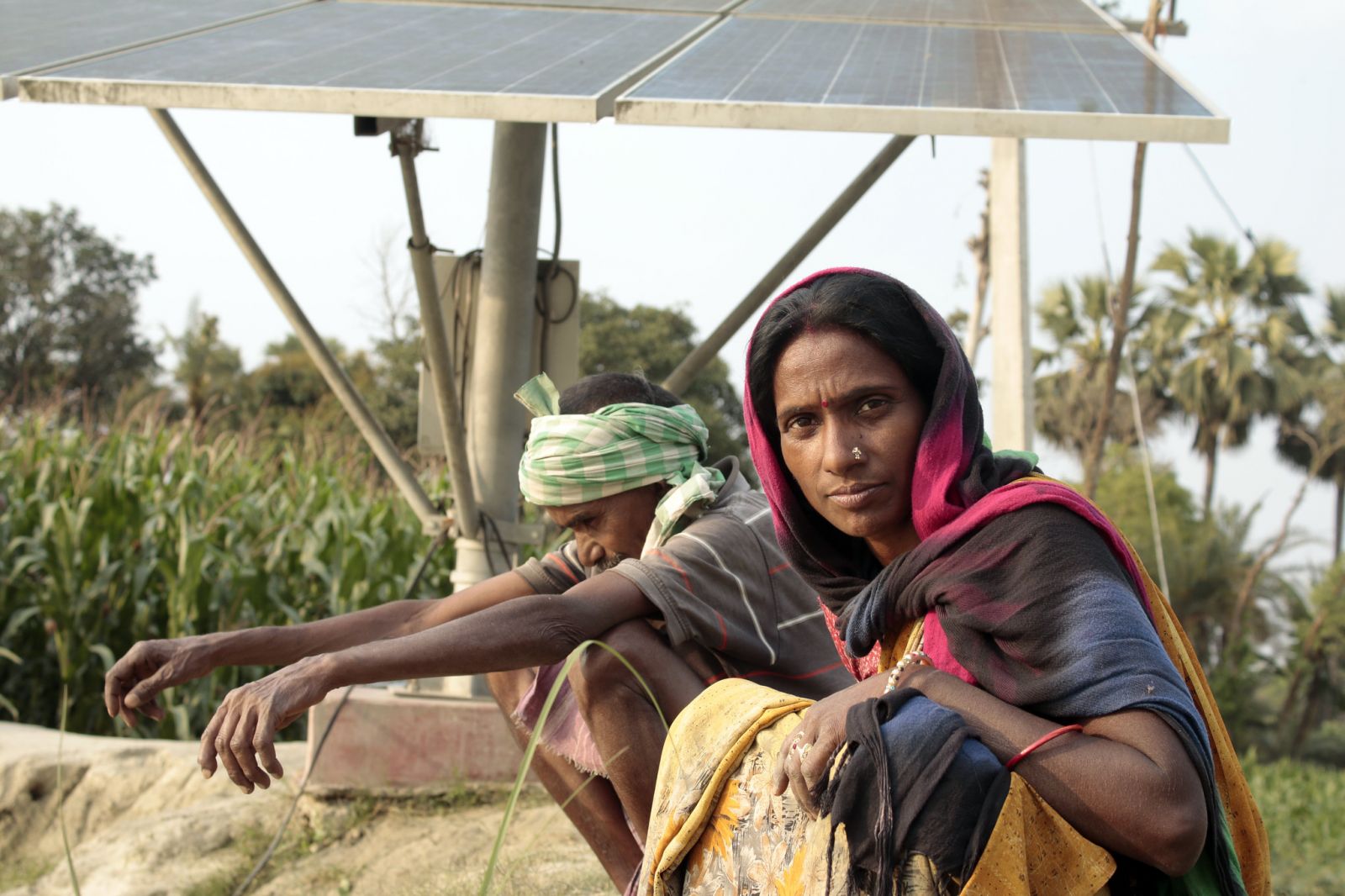
Despite disparities in access to resources, women are often catalysts for positive change in their community. Photo Credit: Ayush Manik
Prevention and planning processes can use gender hotspot analysis to identify climate, poverty, and gender “hotspots,” or areas more likely to experience intensified climate effects. Gender-responsive agricultural practices and technologies increase resilience while decreasing workloads. Energy-efficient technologies enable smallholder farmers to store and process produce for use during food shortages or crises.
These actions are all important steps to take to address food security in crises while supporting women as food producers. To ensure climate change and systems shocks, such as pandemics, do not further entrench inequalities, we must understand gendered effects in the food system. This includes collecting sex-disaggregated data on the impacts of COVID-19 on health, employment, livelihoods, and food security. How are women, men and youth producers, entrepreneurs, and consumers affected by changes along food value chains caused by pandemics? How do pandemics affect consumer behavior (e.g. in food choices), given women’s role in household consumption choices? Getting better answers to these questions will build a more just and resilient world.
About the author: Sophia Huyer is the Gender and Social Inclusion Research Leader for the CGIAR Research Program on Climate Change, Agriculture and Food Security (CCAFS). Annet Mulema is a Science Officer for CCAFS. Kathlee Freeman is a Communications Consultant for CCAFS.
EDITOR’S NOTE: The opinions expressed here by Impakter.com columnists are their own, not those of Impakter.com. Photo Credit: J. Stenuit