
Today’s ESG Updates
- European Commission Proposes Expanded Energy Subsidies: The EU plans to relax state aid rules so governments can help businesses offset rising fuel and electricity costs driven by oil price spikes linked to geopolitical tensions.
- UK Introduces Incentives to Use Excess Renewable Energy: A new strategy will encourage households and businesses to consume more electricity during renewable surpluses through discounted or free power to stabilize the grid.
- Western Australia Builds Strategic Diesel Reserve: A state-backed fuel reserve is being developed to improve energy security for remote communities and agriculture amid global supply disruptions.
- Oil Prices Drop as Ceasefire Signals Emerge: Crude prices fell below $100 per barrel as easing tensions and potential US-Iran talks improved market sentiment and reduced supply fears.
European Commission proposes new financial support to combat energy price surges
To help businesses cope with the economic shock from the war with Iran, the European Commission is proposing to allow countries to spend more public money to cover rising fuel and fertilizer costs. Following a U.S. military decision to blockade Iranian ports, oil prices jumped about 6%, rising above $100 a barrel.
To assist industries hit hardest—such as agriculture, shipping, and road transport—the EU is considering temporarily relaxing its state aid rules. These changes would allow governments to help companies cover fuel price spikes. Additionally, the plan would enable energy-intensive industries to receive aid covering more than 50% of their electricity bills. The Commission expects to finalize these measures by the end of this month.
***
Further reading: EU plans more fuel subsidies to tackle Iran war price spikes
Klimado – Navigating climate complexity just got easier. Klimado offers a user-friendly platform for tracking local and global environmental shifts, making it an essential tool for climate-aware individuals and organizations.
UK releases new plan to manage renewable power surpluses
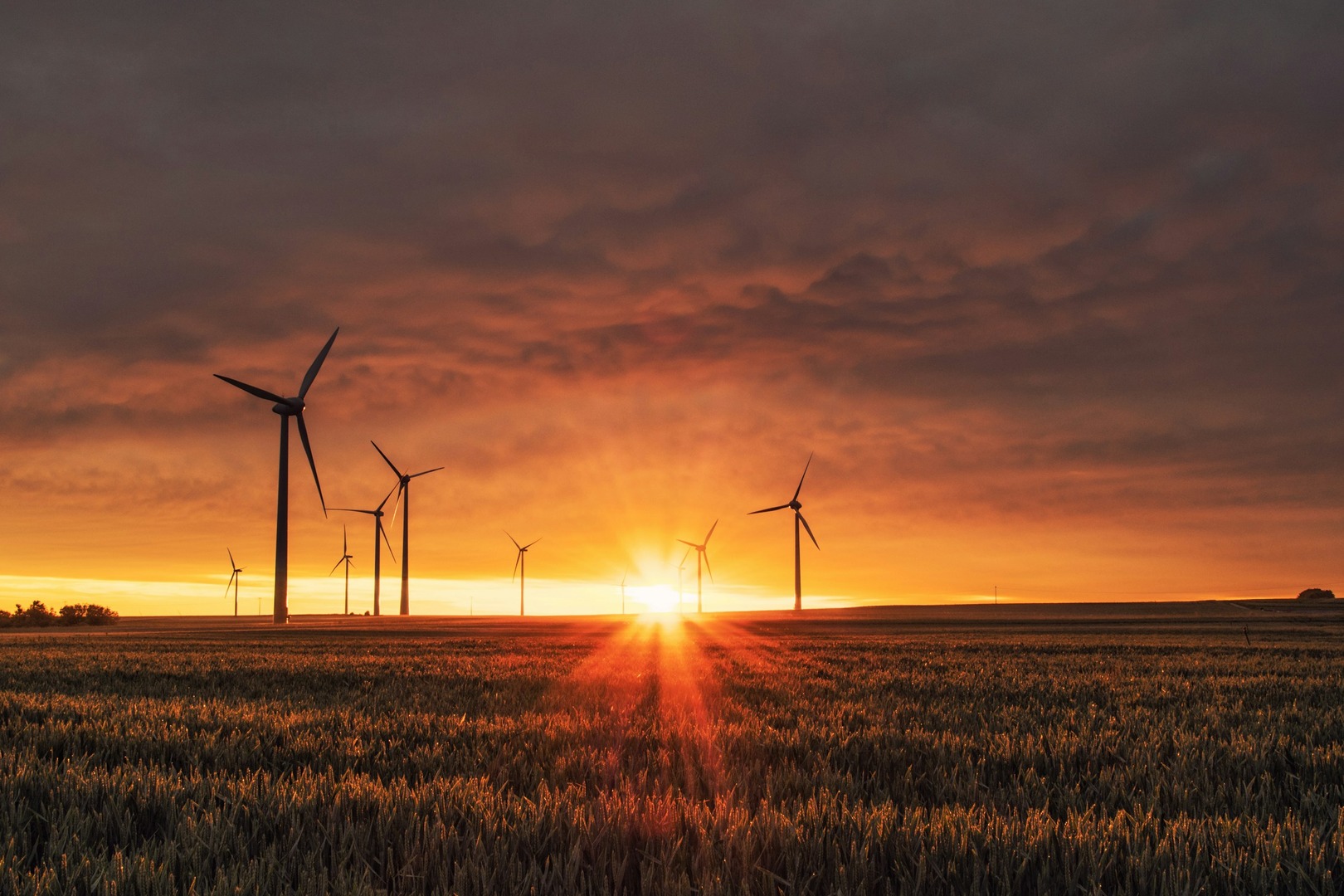
To balance the power grid, the National Energy System Operator (Neso) will encourage households and businesses to increase their electricity usage when there’s a surplus of wind and solar power. Energy suppliers may offer customers heavily discounted or free electricity during periods when renewable generation exceeds grid demand. The strategy’s goal is to prevent grid overload and avoid paying wind and solar farms to turn off, which are costs borne by energy bills.
Despite a projected 6% decline in domestic gas supplies, the UK expects to have sufficient gas for the summer, primarily sourced from Norway and the North Sea.
***
Further reading: UK households to be urged to use more power this summer as renewables soar
Related Articles
Here is a list of articles selected by our Editorial Board that have gained significant interest from the public:
Western Australia launches strategic diesel reserve to bolster fuel security
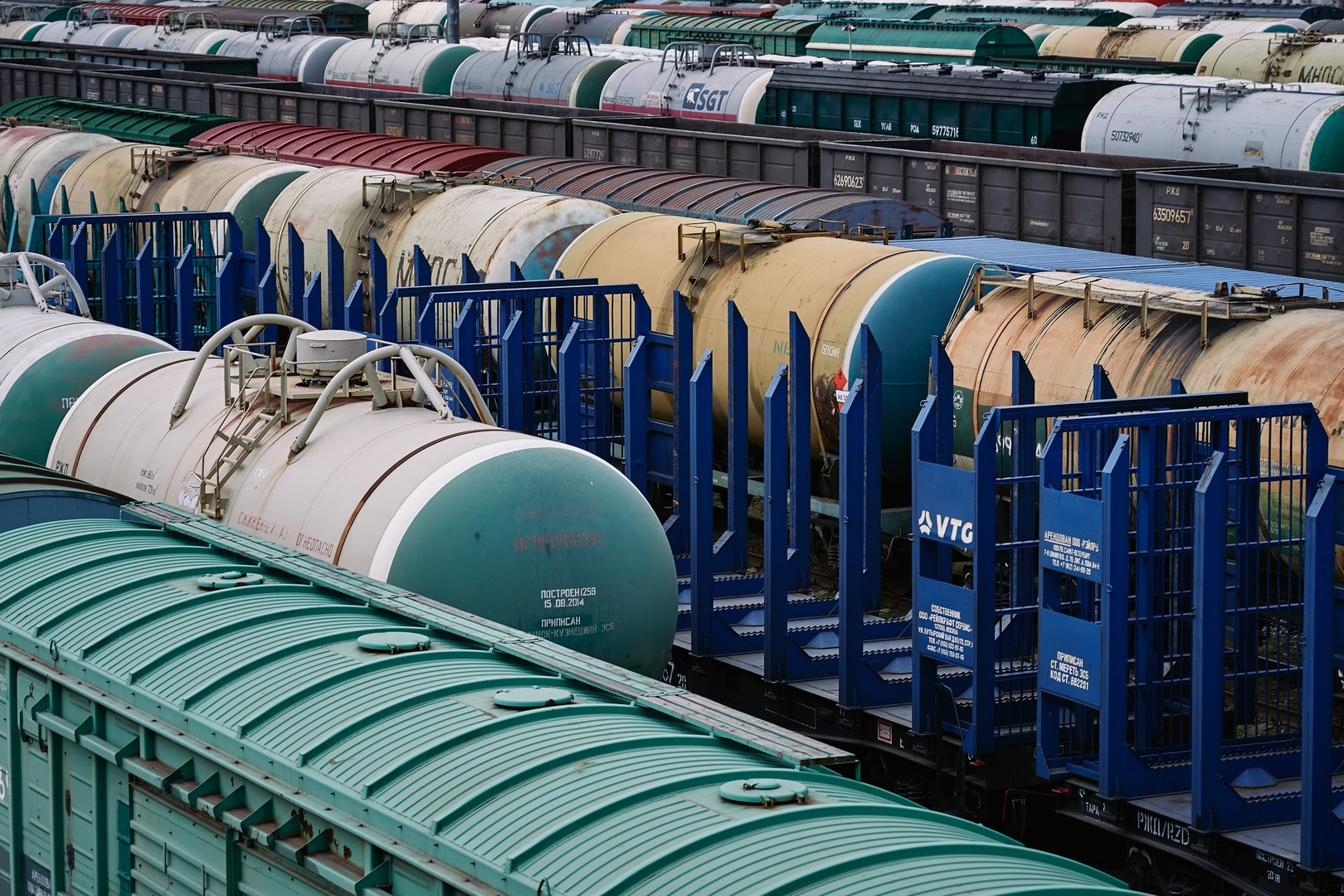
To strengthen fuel security, Western Australia has established a strategic diesel reserve at the Port of Wyndham. While the region is home to major mining giants like BHP and Rio Tinto, this state-owned fuel is specifically designated for remote Aboriginal communities and agricultural producers, who often rely on spot market purchases.
The initial reserve of 4 million liters could eventually expand to 12 million liters, or roughly 75,000 barrels of oil. This initiative, managed in partnership with local supplier Cambridge Gulf, serves as a state-level supplement to federal fuel security measures. These actions follow global supply tightening caused by the Strait of Hormuz closure, a critical trade route that previously accounted for 20% of global oil and gas exports.
***
Further reading: Australian state secures own fuel supply

Asian stocks jump as hopes for US-Iran ceasefire rise

Asian stock markets rose on Tuesday as hopes for a potential ceasefire between the United States and Iran emerged. Following reports that Iranian officials reached out to the White House to discuss a possible deal, major stock exchanges in Japan and South Korea saw significant gains. At the same time, Brent crude oil prices dropped to below $98 per barrel.
This positive turn for markets came despite the U.S. enforcing a naval blockade on Iranian ports. Brent crude had previously surged above $103 per barrel on Sunday after President Trump threatened to block the Strait of Hormuz. However, the military clarified that the blockade applies only to vessels entering and exiting Iranian ports, rather than fully closing the waterway. This distinction is vital, as the Strait normally handles 20% of global oil and gas exports.
***
Further reading: Asia’s stock markets surge, oil falls on hopes for US-Iran talks
Editor’s Note: The opinions expressed here by the authors are their own, not those of impakter.com — In the Cover Photo: An EU flag waving. Cover Photo Credit: Antoine Schibler