A small step down, an uneven walkway, a loose stair edge, or a raised platform without a clear warning can turn into a serious problem in seconds. What looks minor at first can leave someone injured and immediately raise questions about liability for elevation hazards on property.
That is where things usually get less simple. Responsibility is not automatic just because someone got hurt. It depends on the condition of the area, what the property owner knew, whether the danger was visible, and how the incident happened in real life. These cases often come down to details people overlook at first.
Once you understand how liability is actually determined, it becomes much easier to see why some claims move forward and others become harder to prove.
Key Factors That Determine Liability for Elevation Hazards on Property
Duty of Care Owed by the Property Owner
At the center of these cases is the idea of duty of care. Put simply, a property owner is generally expected to maintain a reasonably safe environment for people who are supposed to be on the property. This may include shoppers, tenants, workplace visitors, or guests in certain situations. How much responsibility the owner has can depend on the setting and why the injured person was there.
A grocery store owner, for example, is generally expected to notice and fix unsafe floor level changes in an area where customers walk every day. A landlord may be expected to address broken exterior stairs used by tenants. This first step matters because if no duty existed, the claim usually struggles right away. Before anyone argues about fault, damages, or warnings, there has to be a clear connection between the owner’s responsibility and the condition that caused the incident.
Condition and Visibility of the Hazard
Not every elevation hazard creates the same legal risk. One of the biggest questions is whether the hazard was obvious or whether it was hard to notice under normal conditions. A clearly visible step with good lighting and contrast markings may be treated very differently from a sudden drop in a dim hallway or an uneven surface that blends into the flooring.
Visibility matters because people are expected to notice some hazards, but only to a point. If a floor level change is hidden by dim lighting, worn surfaces, clutter, or a layout that throws people off, it is much harder to say the person should have seen it right away.
That becomes even more important in places like shops or crowded entryways, where people are usually paying attention to other things. In many situations, courts and insurance companies look at whether the hazard could realistically have been noticed before the accident happened, not just whether it was there.
Maintenance and Inspection Practices
A lot of these cases come down to what the owner did before the incident ever happened. Was the property checked regularly? Were worn stairs, loose boards, cracked pavement, or shifting surfaces repaired in a reasonable timeframe? If the answer is no, that can make the owner look careless in a way that matters legally.
Regular maintenance is not just about keeping a place neat. It shows whether the owner was paying attention to conditions that could hurt someone. If a hotel knew a stair tread was loose for weeks and never fixed it, that says something. If a business had no inspection routine at all for an area where customers walk daily, that matters too. On the other side, written inspection logs, repair invoices, and maintenance records can help show that the owner took reasonable steps to keep the area safe.
Presence or Absence of Warning Signs
Warnings do not fix a dangerous condition, but they can still play a big part in how responsibility is judged. If there is a temporary elevation risk, such as construction work, a wet ramp edge, or a newly exposed step, clear warnings may show that the property owner tried to reduce the risk before a full repair could be completed. Without those warnings, the same situation can look much more careless.
The problem is that not all warnings are treated equally. A faded sign placed off to the side may not help much. A warning that is too small, blocked from view, or posted after the danger area may also fall short. In real situations, the question is whether the sign gave a person a fair chance to notice the risk in time. This issue often comes up in claims involving temporary conditions, but it can also matter where level changes are permanent yet poorly marked. When looking at liability for elevation hazards on property, warning signs are often one of the first practical details people examine.
Compliance With Safety Standards and Regulations
Safety standards and building rules can make a big difference in these cases. Property owners are often expected to follow local codes related to stairs, railings, ramp slopes, walking surfaces, lighting, and transitions between levels. If the area did not meet those standards, that can strengthen a claim because it suggests the hazard was not just unfortunate but avoidable.
A missing handrail, stairs that are not even, a bad stair layout, or poor lighting near a step-down can all be signs that something bigger is wrong with the area. These are the details people like inspectors, lawyers, and safety experts usually look at to see whether the property meets the right standards. But even if it did, that does not always mean the discussion ends there.
A property can technically meet code and still be unsafe under the circumstances if something else made the area dangerous. Still, when a violation exists, it often becomes a major piece of the case because it gives a concrete standard against which the property condition can be measured.
Evidence Available to Support the Claim
Evidence is what turns a story into something that can actually be evaluated. Without it, even a valid claim can become difficult to prove. Photos of the area, security footage, witness statements, maintenance logs, medical records, and incident reports can all help establish what happened and why. The stronger the evidence, the easier it becomes to show whether the hazard existed, how visible it was, and whether the owner had notice of it.
Timing matters here more than most people realize. Conditions can be repaired quickly after an incident. Video footage can disappear. Witnesses may forget small but important details. That is why early documentation often makes such a difference.
Takeaway
Elevation hazard cases are usually not as simple as blaming one thing and moving on. In most elevation hazard cases, liability comes down to a mix of facts, like what the owner was responsible for, how the hazard looked, whether there were warnings, what the injured person did, and what evidence exists after the incident.
For property owners, keeping up with repairs and safety checks can prevent bigger problems later. For injured individuals, moving early and holding onto evidence can make a real difference. The more clearly these factors are understood, the fairer the process tends to be.
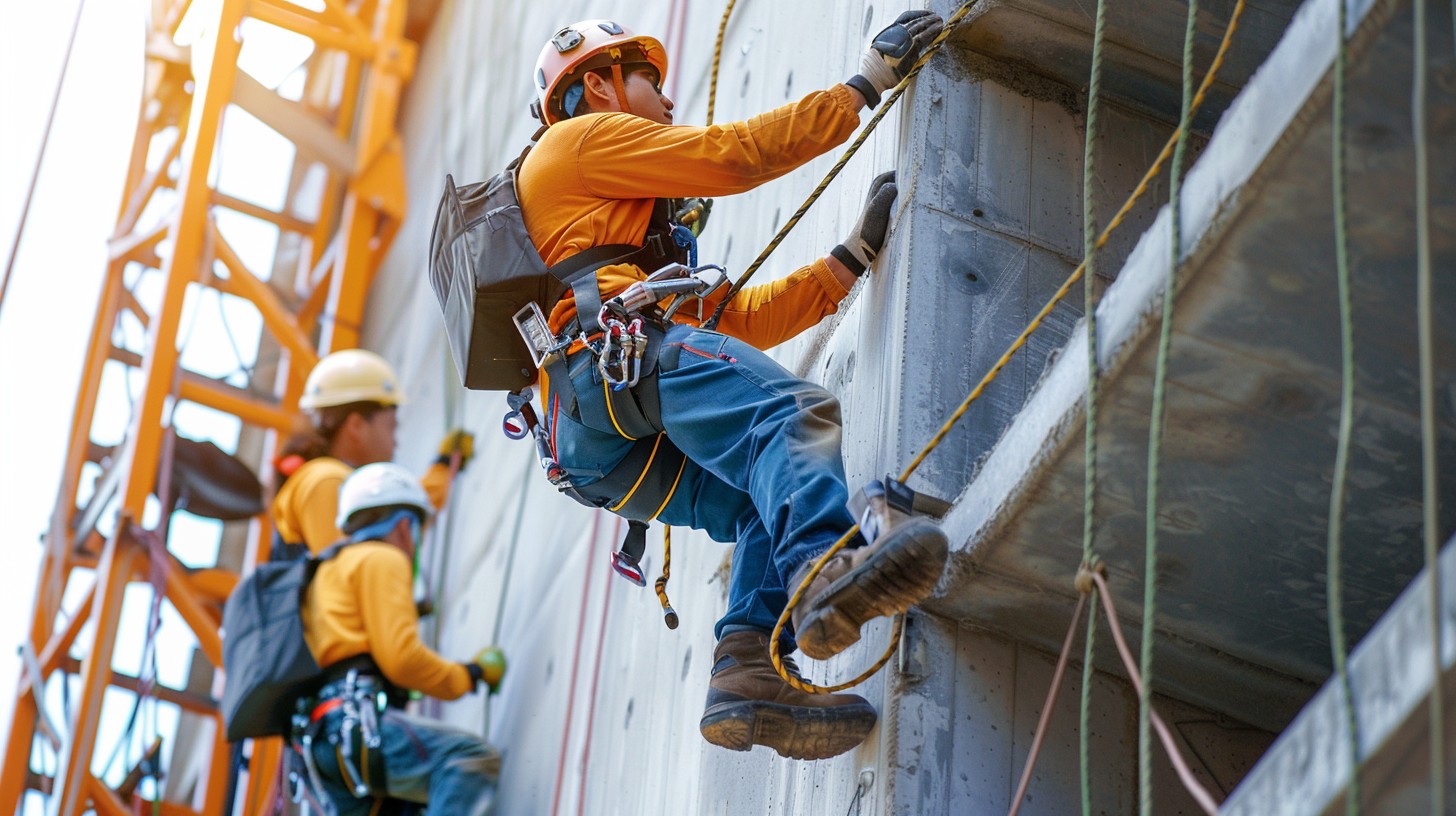
Editor’s Note: The opinions expressed here by the authors are their own, not those of Impakter.com — In the Cover Photo: Construction workers on a site elevation hazard . Cover Photo Credit: StockCake