Impakter
  • Environment
    • Biodiversity
    • Climate Change
    • Circular Economy
    • Energy
  • FINANCE
    • ESG News
    • Sustainable Finance
    • Business
  • TECH
    • Start-up
    • AI & Machine Learning
    • Green Tech
  • Industry News
    • Entertainment
    • Food and Agriculture
    • Health
    • Politics & Foreign Affairs
    • Philanthropy
    • Science
    • Sport
  • Editorial Series
    • SDGs Series
    • Shape Your Future
    • Sustainable Cities
      • Copenhagen
      • San Francisco
      • Seattle
      • Sydney
  • About us
    • Company
    • Team
    • Partners
    • Write for Impakter
    • Contact Us
    • Privacy Policy
No Result
View All Result
  • Environment
    • Biodiversity
    • Climate Change
    • Circular Economy
    • Energy
  • FINANCE
    • ESG News
    • Sustainable Finance
    • Business
  • TECH
    • Start-up
    • AI & Machine Learning
    • Green Tech
  • Industry News
    • Entertainment
    • Food and Agriculture
    • Health
    • Politics & Foreign Affairs
    • Philanthropy
    • Science
    • Sport
  • Editorial Series
    • SDGs Series
    • Shape Your Future
    • Sustainable Cities
      • Copenhagen
      • San Francisco
      • Seattle
      • Sydney
  • About us
    • Company
    • Team
    • Partners
    • Write for Impakter
    • Contact Us
    • Privacy Policy
No Result
View All Result
Impakter
No Result
View All Result

How Climate Change Is Altering Frogs’ Love Songs

byYuxi Lim
March 2, 2026
in Biodiversity, Climate Change, Environment

In recent years, a growing number of studies have documented behavioral shifts in animals linked to rising temperatures. Last month, for example, researchers at the University of California, Davis, found that rising global temperatures directly affect the sound and quality of male frogs’ mating calls. 

When breeding time draws closer, male frogs usually gather in large numbers around ponds and other aquatic areas, arriving earlier than the female frogs to warm up their “voices.” Faster mating calls are typically more attractive to female frogs, and the researchers observed that male frogs’ calls tend to pick up speed in warmer waters. 

”This could be a process by which females are tracking how seasonality is changing over time. As the pond warms, the sexier male calls come earlier, too,” stated Julianne Pekny, the lead author of the study.

Timing is everything

The faster songs also act as indicators of suitable environmental conditions for reproduction. This is crucial, as the timing must align with optimal conditions to maximise the survival rate of the females’ eggs. 

Professor Brian Todd, co-author of this study, adds that it is “in the best interest for males to get to the pond as early as possible, before other males. But it’s in the best interest of females to get there when it’s actually time to go and lay their eggs.”

As the most endangered vertebrate class, approximately 41% of amphibian species are threatened with extinction. The senior author on this study, Professor Eric Post, suggests that the findings from this study may “potentially revolutionise the study of phenological responses to climate change,”adding that males “ may be unwittingly signaling nuances about the appropriateness of environmental conditions for breeding, and females interpret these signals beyond the intentions of males.” 

Related Articles

Here is a list of articles selected by our Editorial Board that have gained significant interest from the public:

  • Climate Change Brings Another Species Closer to Extinction
  • How Climate Change is Driving Evolution
  • Orcas and Dolphins Observed Hunting Salmon Together
  • Earth’s ‘Sixth Mass Extinction’ Has Begun, Study Warns

Broader implications for the environment

This study helps to paint a clearer picture of how frogs’ breeding seasons are shifting, as well as the factors that drive these changes. Furthermore, these findings may also apply to insects that similarly produce mating calls. This hints at fascinating cross-species similarities and broader implications for future research in this field. 

The growing number of studies uncovering similar patterns of behavioural changes and shifting breeding seasons across different species further emphasise the pervasive effects of climate change on wildlife and biodiversity. Such adaptations may be individually harmless, but collectively, they may cause ripple effects and upend the delicate balance of biological ecosystems. 


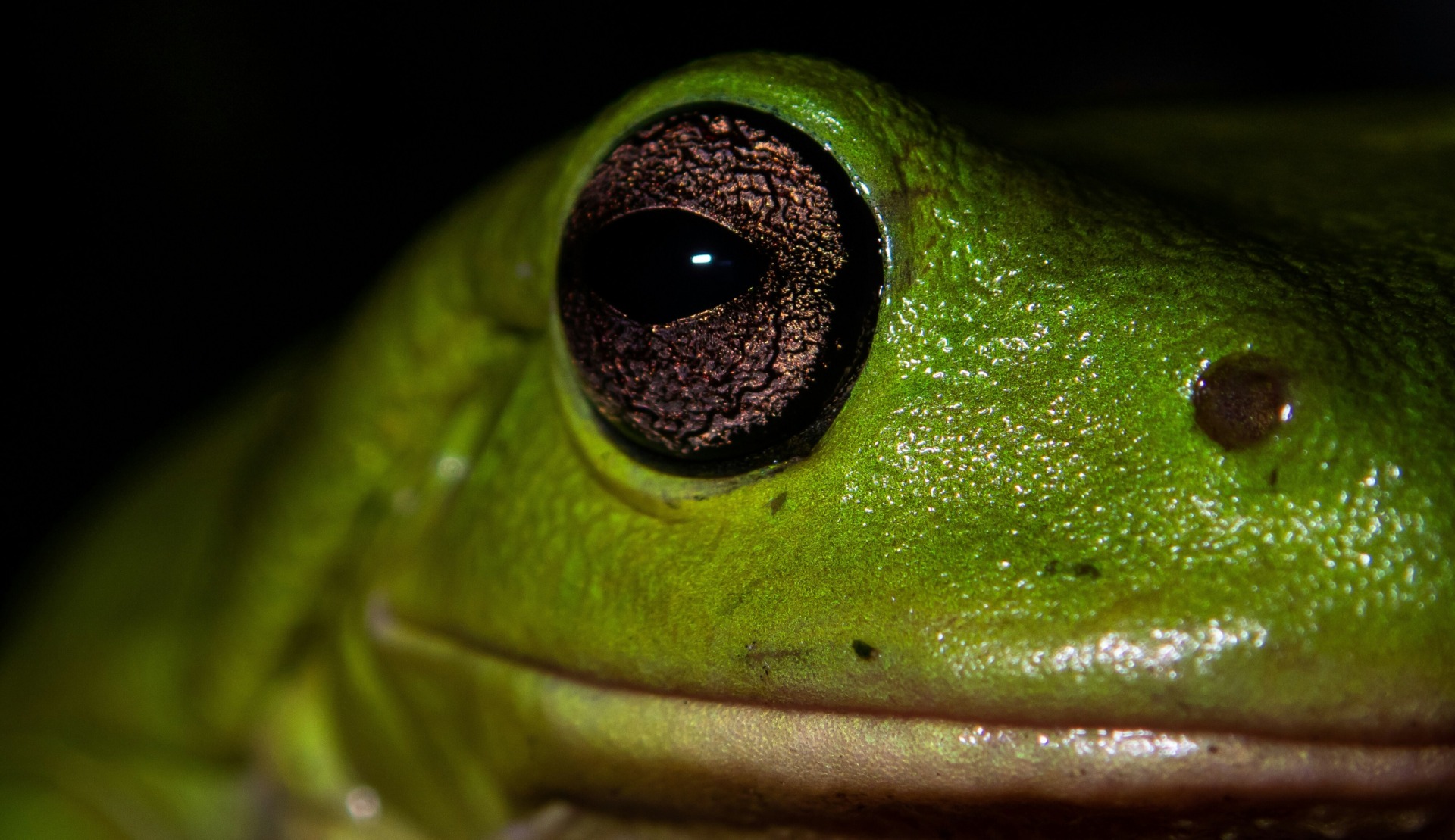
Editor’s Note: The opinions expressed here by the authors are their own, not those of Impakter.com — In the Featured Photo: Close-up of a frog. Featured Photo Credit: Joan Li

Tags: biodiversityClimate ChangeEnvironmentFrogswildlife
Previous Post

Where Will the World’s Electricity Come From in 2030?

Next Post

What the Conflict in Iran Means for Europe

Related Posts

The Strait of War: A World on the Brink as Iran and the US Ignite the Global Energy Crisis
Energy

The Strait of War: A World on the Brink as Iran and the US Ignite the Global Energy Crisis

March 4, 2026
News regarding climate change potentially cutting land for cattle, sheep, and goat farming in half by 2100.
Climate Change

Climate Change Could Cut Land for Cattle, Sheep, and Goat Farming in Half by 2100

March 3, 2026
seaweed
Environment

5 Ways Seaweed Rolls Into Climate Solutions

March 3, 2026
Next Post
ESG News regarding Europe’s role in the Israel, US, Iran conflict, Argentina seeks to weaken glacier protections, Moeve’s new green hydrogen project, and Italy asking EU to suspend carbon market

What the Conflict in Iran Means for Europe

Recent News

ESG News regarding the Industrial Accelerator Act and ‘Made in Europe’ provision, TerraPower to begin nuclear plant construction in the U.S., South Africa’s $122 million water investment, and the first EIB-WTO partnership

European Commission Unveils Long-Awaited ‘Made in Europe’ Act

March 5, 2026
ESG News regarding Japan and U.S. considering nuclear deal to boost energy supply chains, Trump ordering naval escorts as oil prices surge amid Strait of Hormuz tensions, EU dropping steel emissions label from “Made in Europe” draft law, and XeleratedFifty acquiring AI-powered carbon management platform Terrascope.

Japan and U.S. Explore $100 Billion Nuclear Project in $550 Billion Investment Package

March 4, 2026

Impakter informs you through the ESG news site and empowers your business CSRD compliance and ESG compliance with its Klimado SaaS ESG assessment tool marketplace that can be found on: www.klimado.com

Registered Office Address

Klimado GmbH
Niddastrasse 63,

60329, Frankfurt am Main, Germany


IMPAKTER is a Klimado GmbH website

Impakter is a publication that is identified by the following International Standard Serial Number (ISSN) is the following 2515-9569 (Printed) and 2515-9577 (online – Website).


Office Hours - Monday to Friday

9.30am - 5.00pm CEST


Email

stories [at] impakter.com

By Audience

  • TECH
    • Start-up
    • AI & MACHINE LEARNING
    • Green Tech
  • ENVIRONMENT
    • Biodiversity
    • Energy
    • Circular Economy
    • Climate Change
  • INDUSTRY NEWS
    • Entertainment
    • Food and Agriculture
    • Health
    • Politics & Foreign Affairs
    • Philanthropy
    • Science
    • Sport
    • Editorial Series

ESG/Finance Daily

  • ESG News
  • Sustainable Finance
  • Business

About Us

  • Team
  • Partners
  • Write for Impakter
  • Contact Us
  • Privacy Policy

© 2026 IMPAKTER. All rights reserved.

No Result
View All Result
  • Environment
    • Biodiversity
    • Climate Change
    • Circular Economy
    • Energy
  • FINANCE
    • ESG News
    • Sustainable Finance
    • Business
  • TECH
    • Start-up
    • AI & Machine Learning
    • Green Tech
  • Industry News
    • Entertainment
    • Food and Agriculture
    • Health
    • Politics & Foreign Affairs
    • Philanthropy
    • Science
    • Sport
  • Editorial Series
    • SDGs Series
    • Shape Your Future
    • Sustainable Cities
      • Copenhagen
      • San Francisco
      • Seattle
      • Sydney
  • About us
    • Company
    • Team
    • Partners
    • Write for Impakter
    • Contact Us
    • Privacy Policy

© 2026 IMPAKTER. All rights reserved.