
€200 billion in public investment for a green transition
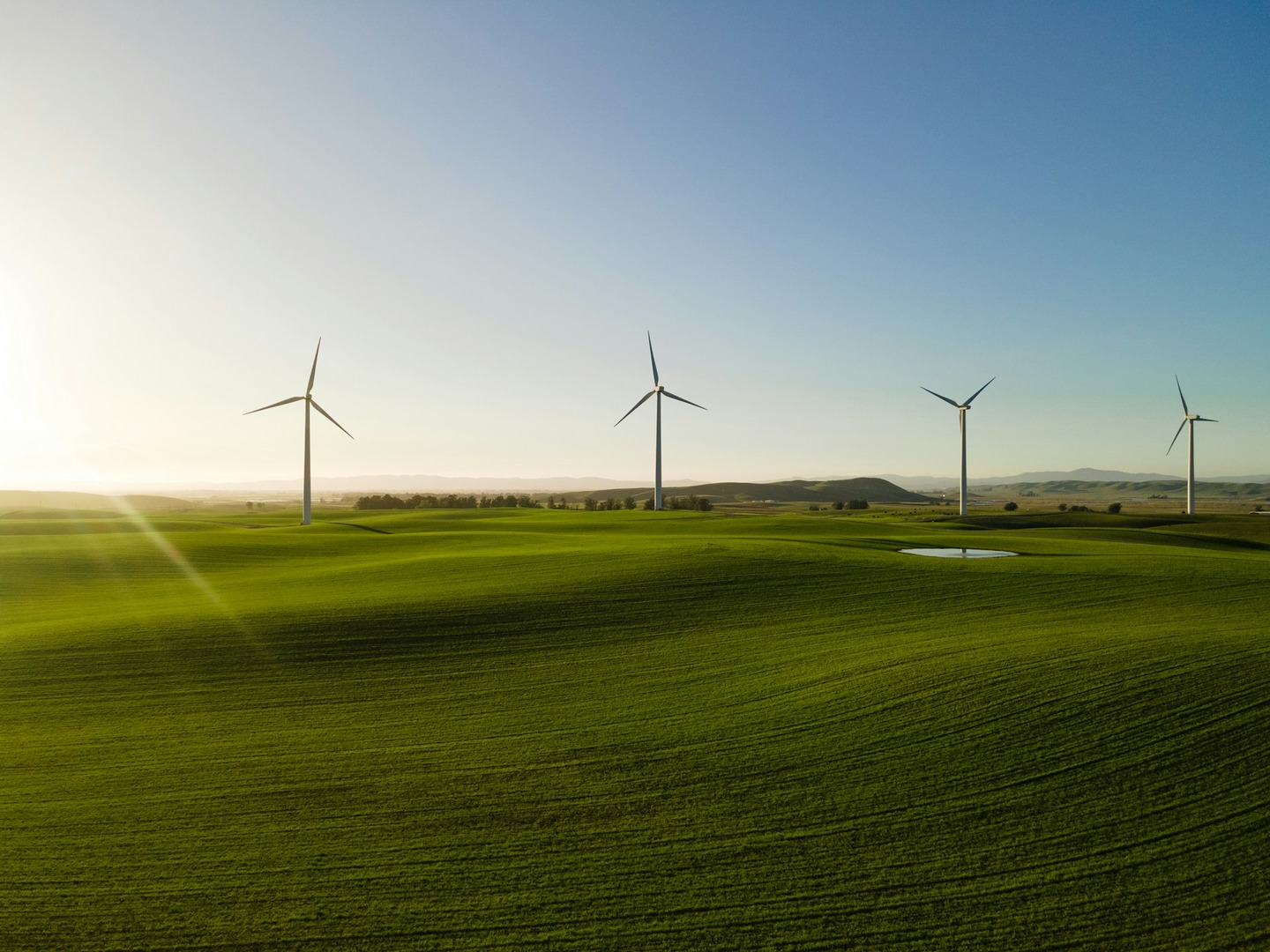
France’s presidential candidate Raphaël Glucksmann has proposed an extremely ambitious environmental program worth €200 billion for the green transition over five years. This central talking point of his 2027 campaign includes not only climate action and renewable energy, but also industrial development and household affordability.
The proposal would actively contribute to France’s goal of carbon neutrality by 2050 and doubling renewable energy capacity by 2035, alongside Glucksmann’s support for nuclear energy as the most important component of the energy mix. The plan also includes extending the operation of current nuclear reactors.
The funds would come from higher taxation of aviation and fossil-fuel profits, as well as mechanisms to direct household savings toward ecological investments. Connected green initiatives include energy vouchers for 16 million households, leasing one million electric vehicles at €100 per month, and introducing affordable public transport for young people. However, despite the positive potential changes for France, all of the above remains a political campaign for now.
Klimado – Navigating climate complexity just got easier. Klimado offers a user-friendly platform for tracking local and global environmental shifts, making it an essential tool for climate-aware individuals and organizations.
2026 is one of the hottest years on record

The effects of global climate change were extremely evident during multiple summer heatwaves, and the World Meteorological Organization (WMO) has stated that 2026 could be among the top four warmest years ever recorded. Their latest State of the Climate Update showed that average global temperatures from January to September were about 1.47 degrees above pre-industrial levels.
The past 12 years have been the warmest on record, especially as El Niño events bring heat from the ocean into the atmosphere. Beyond air temperature, there are high sea levels and increasing ocean heat, all leading to a decline in fresh water available worldwide.
Now and in the long term, businesses, governments, investors, and regular people will feel climate change worsening. More climate-related issues mean higher insurance costs, damage to unprepared infrastructure, and tougher conditions for agriculture. The findings also point out that the current situation requires not only climate mitigation to slow down worsening conditions, but also early-warning systems and more resilient infrastructure.
Related Articles
Here is a list of articles selected by our Editorial Board that have gained significant interest from the public:
Voluntary biodiversity is not ready to raise large sums

A major international biodiversity financing initiative has suffered a major blow, showing how unprepared the industry is to raise large sums voluntarily and independently. The Cali Fund, established after the 2024 UN biodiversity summit, planned to raise $1 billion annually from companies benefiting commercially from the biodiversity developments.
The Financial Times reported a real figure for funds received: $11,000 by the COP17 summit in Yerevan, Armenia. This is an almost absurd mismatch between expectation and reality, painting a grim picture of how willing the private sector is to invest in nature conservation. Attempts to implement mandatory payments failed to reach an agreement.
Governments are still among the few providing meaningful support for this cause, while also subsidizing activities that damage ecosystems. This is because reforms targeting conservation usually involve trade-offs related to essential products.

Data Centres are consuming entire second-hand markets
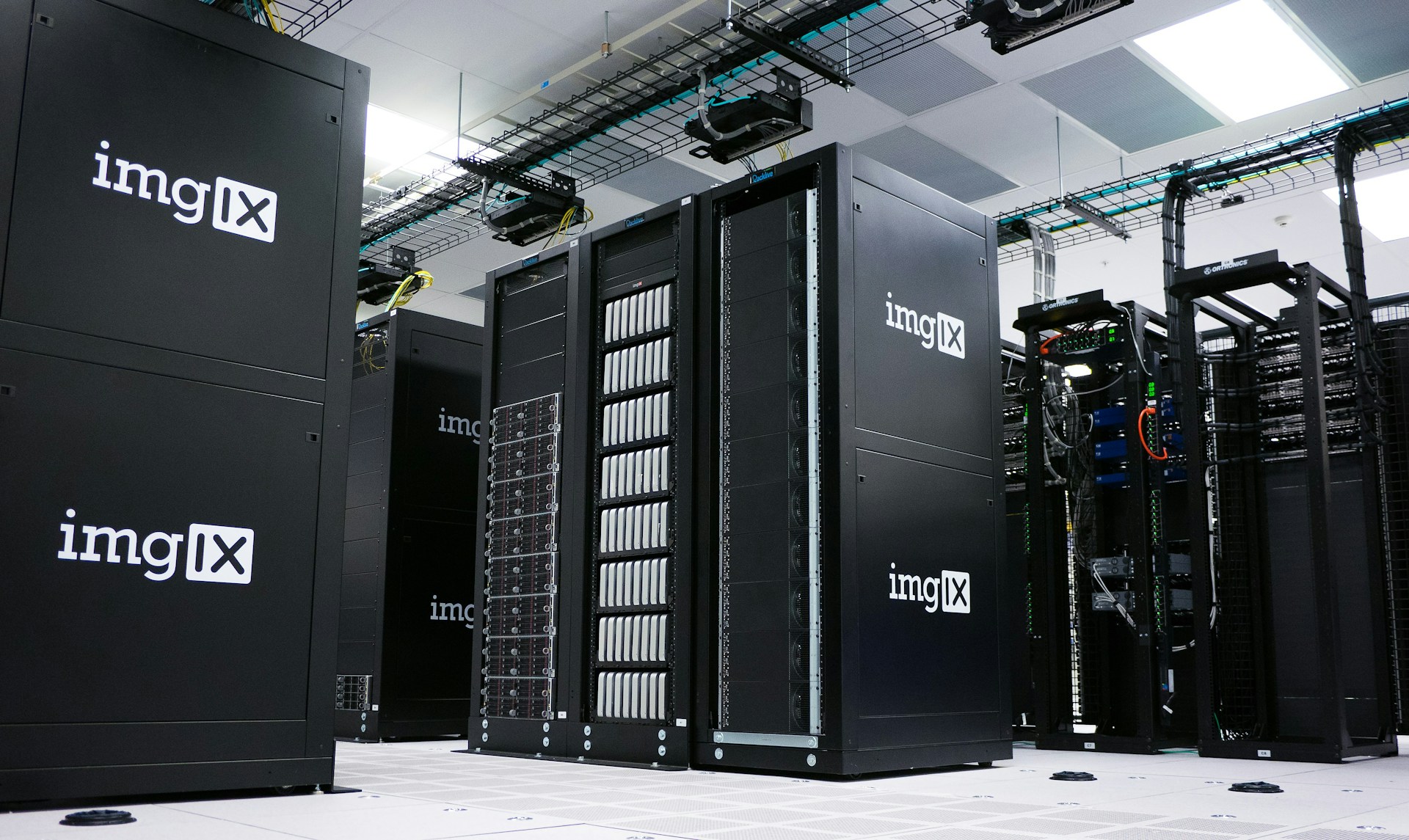
The nonstop expansion of data centers to power artificial intelligence has now reached the second-hand market for electricity-generation equipment. The new trends of tech scaling are gas turbines, retired electricity generators, and aircraft engines. This news created a sudden struggle for what used to be an ordinary market: global gas-turbine orders have now rolled in for more than 100 gigawatts. In comparison, annual manufacturing capacity is estimated at approximately 60–70 gigawatts. In this crucial sphere, waiting times are now around six years in the US, with new equipment not expected until 2030-31.
A giant market has almost completely consumed a smaller one with its never-ending demand. The technology faces an extreme energy-efficiency challenge, which would become mandatory to keep up with advancements, currently impossible without increasing scale. A problem AI has not yet even come close to solving is its sustainability.
Editor’s Note: The opinions expressed here by the authors are their own, not those of impakter.com — Cover Photo Credit: Zac Wolff