

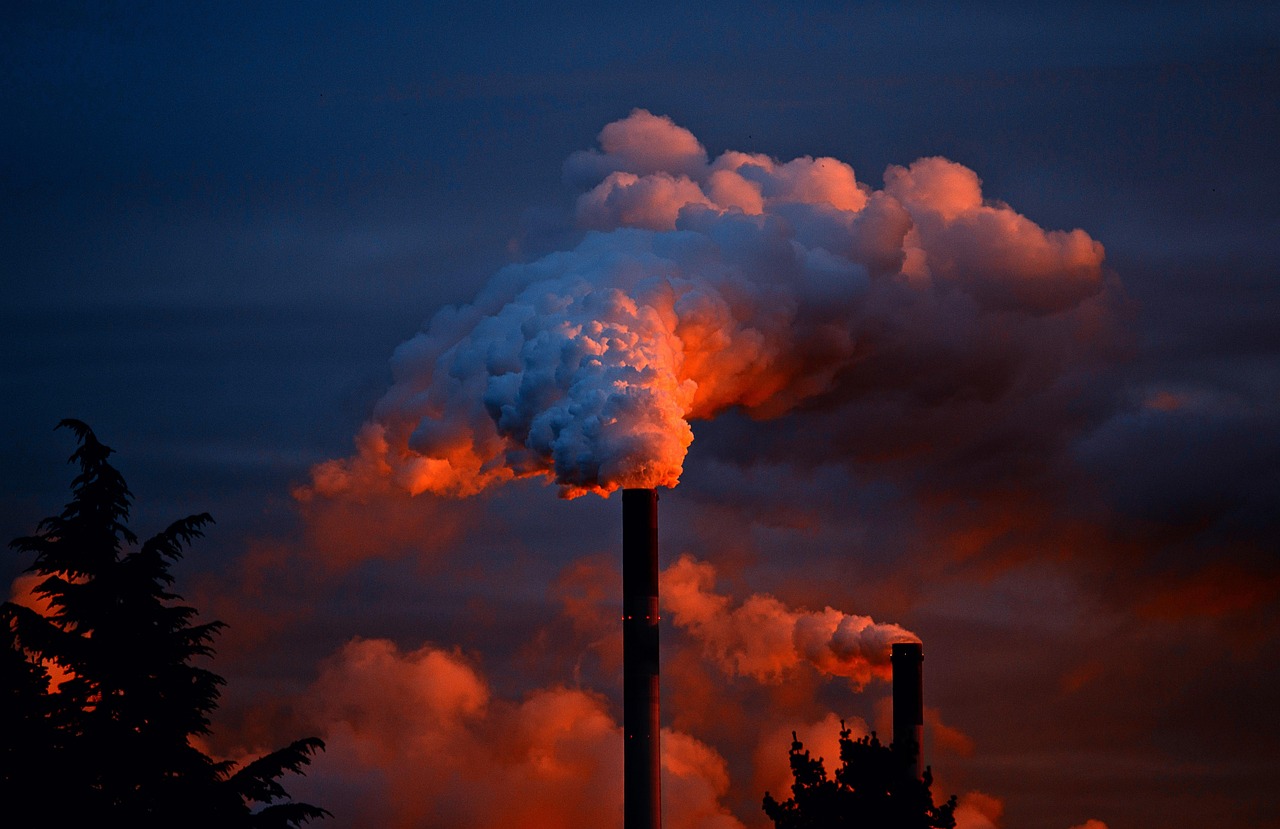
Today’s ESG Updates
- COP 2026 Rethinks Climate Plans: With a new focus on implementation, COP 2026 faces failed climate targets and few successes.
- Labour to Reduce EV targets: Reversing policy from the last Conservative government, Labour rethinks the quotas that would see 100% of all new vehicles sold EVs by 2035.
- EU Regulators Crack Down on TikTok: Focusing on the problem of so-called ‘rabbit holes,’ and an algorithm which allegedly leads to social isolation, self-esteem issues, and body dysmorphia, the EU has threatened fines of up to 6% of revenue if TikTok does not solve the problems raised by the EU.
- Green Fireworks ‘OK’ for Diwali: Heavy smoke and air pollution mean the Supreme Court has ruled only green fireworks are to be allowed for Diwali in New Delhi.
Clean energy potential outstrips pace of COP agenda
This year’s United Nations climate conference in Antalya, Turkey, NGOs and governments see the inevitability of missing the 1.5 degrees warming climate target – seeking an overshoot of 1.8 degrees. The goal, now, rather than the development of better clean energy – which has made huge strides – is instead the implementation of agreements and policy: “This is going to be an implementation COP,” said EU climate chief Wopke Hoestra.
Both the EU and U.S., co-founders of a pledge to cut methane emissions, have weakened rules linked to those commitments. War conditions have helped deliver on climate targets over disruptions to fossil fuel supplies.
Though the US government has once again pulled out of the Paris climate accords, some Democratic congressmen attended. Sultan al Jaber, the UAE’s industry minister and former president of COP28, announced that ADNOC, the state-owned oil company he leads, would partner with OpenAI to improve its operations.
On the agenda at this COP are electrification and AI, both led by Turkey and Australia, who are co-hosting the talks. The aim is for a voluntary commitment to scale up electrification of global energy to 35% by 2035, rising from 20% today. Australia is looking to broker the pledge to electrify, but the goal is unclear whether that refers to “clean” electrification or whether that can include natural gas and coal. Another voluntary pledge addresses data centres: building AI infrastructure sustainably. Countries would be able to choose their own targets.
Talks in Turkey are hoped to provoke a course-correction. Action under the 2015 accords will be assessed. Governments are then supposed to agree on the steps to ensure no shortfalls by 2028.
Klimado – Navigating climate complexity just got easier. Klimado offers a user-friendly platform for tracking local and global environmental shifts, making it an essential tool for climate-aware individuals and organizations.
Labour’s plan for looser electric vehicle quotas
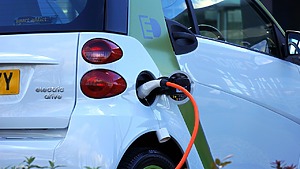
Labour ministers are expected to cut targets for electric vehicles this week. Rules brought in by the previous Conservative government required carmakers to ensure they only sold EVs before 2035, with proportions increasing to 80% by 2030. Carmakers have warned some targets may be unattainable; for example, the target for 2026 is on track to fail to meet the 33% goal, according to the Society of Motor Manufacturers and Traders.
The present Labour government is set to propose new changes to said targets: options included to keep them unchanged, to keep it as 80% by 2030, but extend those commitments by 4 years, reduce the target to 70%, to 60% or to 50%. Government insiders say the de facto deputy Prime Minister Louise Haigh will likely sign off on a 2030 target of about 60%, and will extend the flexible targets into 2034.
Shane Brennan, the chief executive of the trade association ChargeUK, said that “Charging investors’ confidence will be rocked by a third change in three years. Government should be in no way complacent about the long-term implications of being seen to cave to the short-term interest of global car importers.”
Related Articles
Here is a list of articles selected by our Editorial Board that have gained significant interest from the public:
EU regulators crack down on TikTok’s ‘rabbit hole’ problem

EU regulators have charged the social media platform TikTok with failing under online content rules, not meeting the demand to fix the “rabbit hole” effect of its recommendation algorithm. The risk to ByteDance is a fine of 6% of global annual turnover next year if it fails.
EU tech chief Henna Vrikkunen said in a statement: “Every time a user scrolls or likes a video on TikTok, the algorithm serves more of the same, leading users down rabbit holes they cannot easily escape from.” The Commission said TikTok should change the design of the algorithm to be more in line with users’ explicit preferences rather than those inferred.
TikTok rejected claims that the platform’s suggestion feed (which is alleged to lead to rabbit holes) damaged body image, caused sadness, or isolation. TikTok called findings by EU regulators that the platform was addictive and inadequately protected children “categorically false” and said it would take steps to challenge them.

Only ‘green’ fireworks permitted in New Delhi for Diwali

The Supreme Court of India has ruled that for this Diwali, only environmentally friendlier fireworks, or Green fireworks, are to be launched. Other fireworks that contribute to the toxic atmosphere of dust, exhaust emissions, and crop fire smoke are to be banned in New Delhi around this Diwali.
Air quality has worsened significantly in Delhi in recent days, causing the government’s Commission for Air Quality Management to call it “a matter of serious concern.” Measures such as halting demolition work and ordering employers to keep half of their staff at home until Nov. 20th are to be implemented.
Editor’s Note: The opinions expressed here by the authors are their own, not those of impakter.com — Cover Photo Credit: JuergenPM on Unsplash