

Key Pointers
- The UK has created a legal route for heat batteries in renewable-heat support: The amendment adds thermal energy storage systems to section 100 of the Energy Act 2008, provided the stored energy is wholly or partly renewable.
- Heat batteries are not yet eligible for a Boiler Upgrade Scheme grant: The current GOV.UK guidance still covers heat pumps, biomass boilers and air-to-air heat pumps; any heat-battery support would require further changes to BUS rules and standards.
- The policy signal is that clean heating may extend beyond heat pumps: Heat batteries could offer an alternative for properties where heat pumps are unsuitable and could help shift electricity use away from peak periods — but delivery depends on future product, installation and BUS eligibility rules.
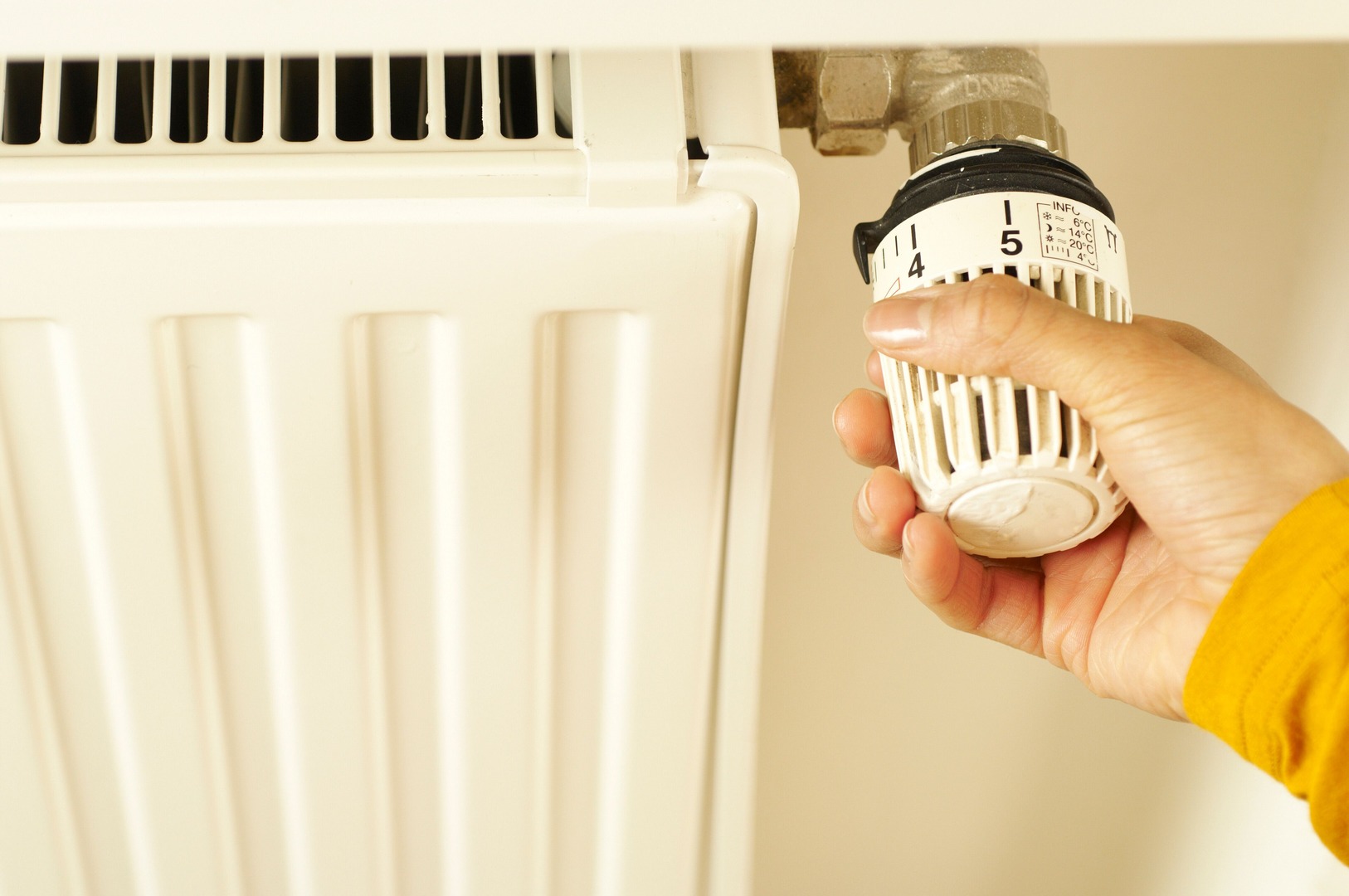
The UK has amended the Energy Act 2008 to bring thermal energy storage systems (TESS) under the legal scope of renewable-heat support schemes such as the Boiler Upgrade Scheme (BUS). Still, it gives the government the legal basis to extend BUS to heat batteries once the necessary product and installation standards are in place.
What changed
The Boiler Upgrade Scheme (Amendment to the Energy Act 2008 etc.) Regulations 2026 came into force on October 22, 2026. The amendment added TESS to section 100(4) of the Energy Act 2008, but only where the stored energy source is wholly or partly renewable.
Section 100 is the statutory basis for BUS. Previously, the provision allowed support for technologies such as heat pumps and biomass boilers but did not allow Section 100 schemes to support TESS products. This new amendment removes that barrier.
The instrument also amends regulation 22 of the 2022 BUS Regulation. If an installer receives an ineligible payment, Ofgem can now require repayment, offset the amount against future grant payments, or use a combination of both—provided the total recovered does not exceed the amount due.
Klimado – Navigating climate complexity just got easier. Klimado offers a user-friendly platform for tracking local and global environmental shifts, making it an essential tool for climate-aware individuals and organizations.
Why heat batteries matter
Heat batteries are a type of hydronic TESS. According to the UK Department for Energy Security and Net Zero (DESNZ), heat batteries can charge using electricity during off-peak periods, when the grid has a larger share of renewable generation, and release that energy during peak periods when electricity is more carbon-intensive. This gives them two potential roles:
- First, they could provide an alternative low-carbon heating option for buildings where a heat pump may not be suitable.
- Second, they could shift electricity use away from peak times, supporting a grid with growing volumes of wind and solar generation.
This amendment links clean-heating policy to electricity-system flexibility. Rather than treating heating decarbonisation as a heat-pump-only challenge, the government is creating space for technologies that can both replace fossil-fuel boilers and respond to the shape of renewable electricity supply.
Related Articles
Here is a list of feature articles selected by our Editorial Board exploring greenhouse gas reporting, emissions data, and the regulatory systems shaping climate accountability:
Not a new grant yet
Households cannot currently claim a BUS grant for a heat battery — the existing GOV.UK guidance still lists grants for air-source and ground-source heat pumps, biomass boilers and air-to-air heat pumps; it does not list heat batteries as an available technology.
However, the government has said it intends to support heat batteries through BUS with an initial grant of £2,500, provided appropriate product and installation standards are in place. The amendment provides the legal power for that future step, but further changes to the BUS regulations would be needed before heat batteries become grant-eligible.

Why it matters
The 2026 Amendment of the Boiler Upgrade Scheme (SI 2026/1121) is a technical yet strategic amendment. It aligns the existing Energy Act 2008 framework with the government’s stated plan to diversify BUS beyond heat pumps, while also improving its ability to recover public funds where grants have been paid incorrectly.
The near-term impact for households remains limited, but the policy direction is clear: the UK is preparing for a Boiler Upgrade Scheme that can support a wider range of low-carbon heating technologies.
The key questions ahead are whether product standards, installer readiness, and updated BUS rules can turn legal groundwork into future or revised grants.
Editor’s Note: This article reflects the author’s views, not those of Impakter. It is an analyst’s interpretation of the Boiler Upgrade Scheme (Amendment to the Energy Act 2008 etc.) Regulations 2026 and related UK government Boiler Upgrade Scheme guidance. Provided for information only and not as legal or compliance advice. — Cover Photo Credit: Photo by BOOM 💥 Photography via Pexels