Today’s ESG Updates
- Flight Costs Increase as Oil Disruption Raises Jet Fuel Prices: Iran war-driven supply shocks add over $100 per long-haul passenger, with airlines warning of higher fares and disruptions.
- Europe’s Train Booking System Restricts Rail Travel: Nearly half of major routes are hard or impossible to book, limiting rail’s competitiveness versus flights.
- Germany Pledges €700 Million for Climate Projects in Brazil: Funding supports climate action and sustainable transport through a joint green investment package.
- Renewables Meet Global Electricity Demand Growth in 2025: Clean energy fully covers new demand, with solar surging and renewables slightly surpassing coal globally.
Flight costs increase as oil disruption drives up jet fuel prices and airline warnings grow
Disruption to global oil supplies from the war in Iran has added over $100 to the cost of long-haul flights from Europe. The average increase in fuel costs per passenger is 88 euros ($104) for long-haul flights and 29 euros for flights within Europe. For instance, on April 16, a passenger would have to pay 26 euros more for a flight from Barcelona to Berlin and 129 euros more for a flight from Paris to New York, compared to February 28.
Airlines warn of potential higher ticket prices and possible flight cancellations due to shortages. Major airlines such as Lufthansa, Ryanair, and Air France-KLM indicated they may pass higher fuel costs to consumers if the Strait of Hormuz remains closed. According to campaign group Transport & Environment (T&E), extra costs from fuel price spikes are much larger than costs from EU climate policies.
The European Union will issue guidelines on managing a limited jet fuel supply on Wednesday and is set to push for energy independence through green jet fuel investment.
***
Further reading: Iran war fuel hike adds $100 to long-haul flight cost, study says
Klimado – Navigating climate complexity just got easier. Klimado offers a user-friendly platform for tracking local and global environmental shifts, making it an essential tool for climate-aware individuals and organizations.
Outdated train booking system in Europe makes rail travel harder as flight alternative remains easier choice

According to T&E’s report, Europe’s train booking system is outdated, making it harder for travelers to choose rail over flights. Booking train tickets is “difficult or impossible” on nearly 50% of the EU’s busiest international air routes. On the 30 busiest routes, 20% of tickets for the full journey cannot be bought at all, and 27% are available from only one operator. Across Europe, incumbent operators do not sell competitors’ tickets on 86% of routes, while on 59% of the routes, the alternative is not even displayed. Popular routes such as Lisbon-Madrid and Barcelona-Milan cannot be booked online at all. In contrast, others, such as Paris-Rome and Amsterdam-Milan, can only be booked via one operator. On 109 European routes, trains were cheaper than planes on only 39% of them.
Last year, a YouGov poll found that 61% of long-distance rail travelers avoided trips due to booking difficulty, and more than 40% said they would travel more by rail if booking were easier.
Aviation emissions are expected to grow as the industry aims to double passenger traffic by 2050. To encourage more rail travel, the European Commission plans to publish a single-ticket package on May 13 to simplify cross-border rail travel.
***
Further reading: Almost half of EU’s busiest flight routes are ‘hard or impossible’ to book on trains – report
Related Articles
Here is a list of articles selected by our Editorial Board that have gained significant interest from the public:
Germany pledges €700 million to Brazil for climate and sustainable mobility projects during Lula visit
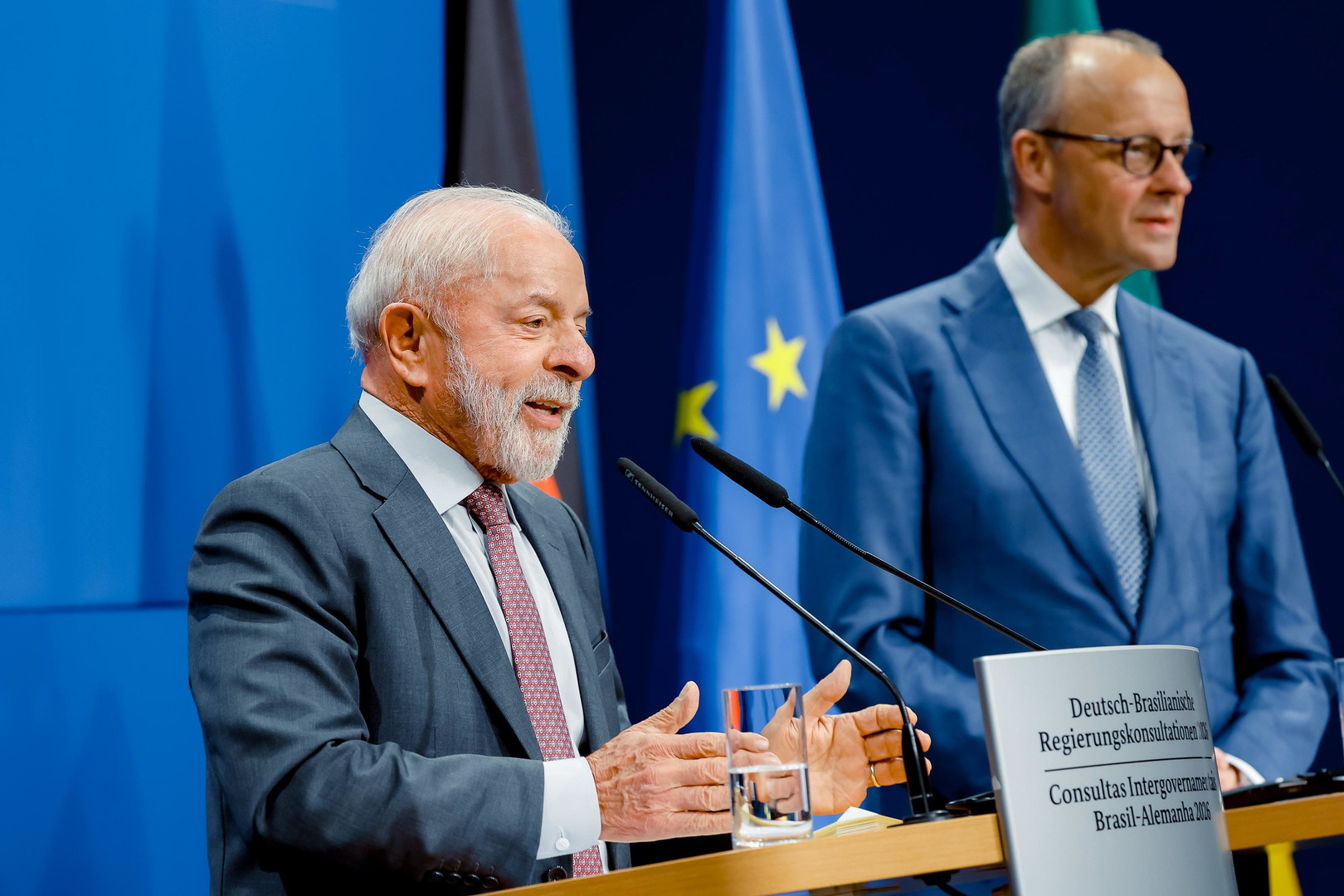
Germany will give Brazil 700 million euros ($824.74 million) to invest in climate change and sustainable mobility projects, 500 million euros of which will go to a climate fund managed by BNDES, and 200 million euros will be invested in sustainable mobility. The climate fund will support studies and projects to mitigate climate change, and the second agreement will focus on financing and implementing sustainable transport solutions.
The announcement was made during Brazilian President Luiz Inacio Lula da Silva’s two-day visit to Germany. He said Brazil was willing to cooperate on alternative energy sources, emphasizing support for biofuels. Biofuels can reduce greenhouse gas emissions and lower costs by reducing dependence on imported fuel.
Brazil, a major biodiesel producer, presented a new biofuel in Germany during the visit.
***
Further reading: Brazil says Germany to contribute 700 million euros to green initiatives

Renewables meet global electricity demand growth in 2025 as solar surges and fossil fuels stall
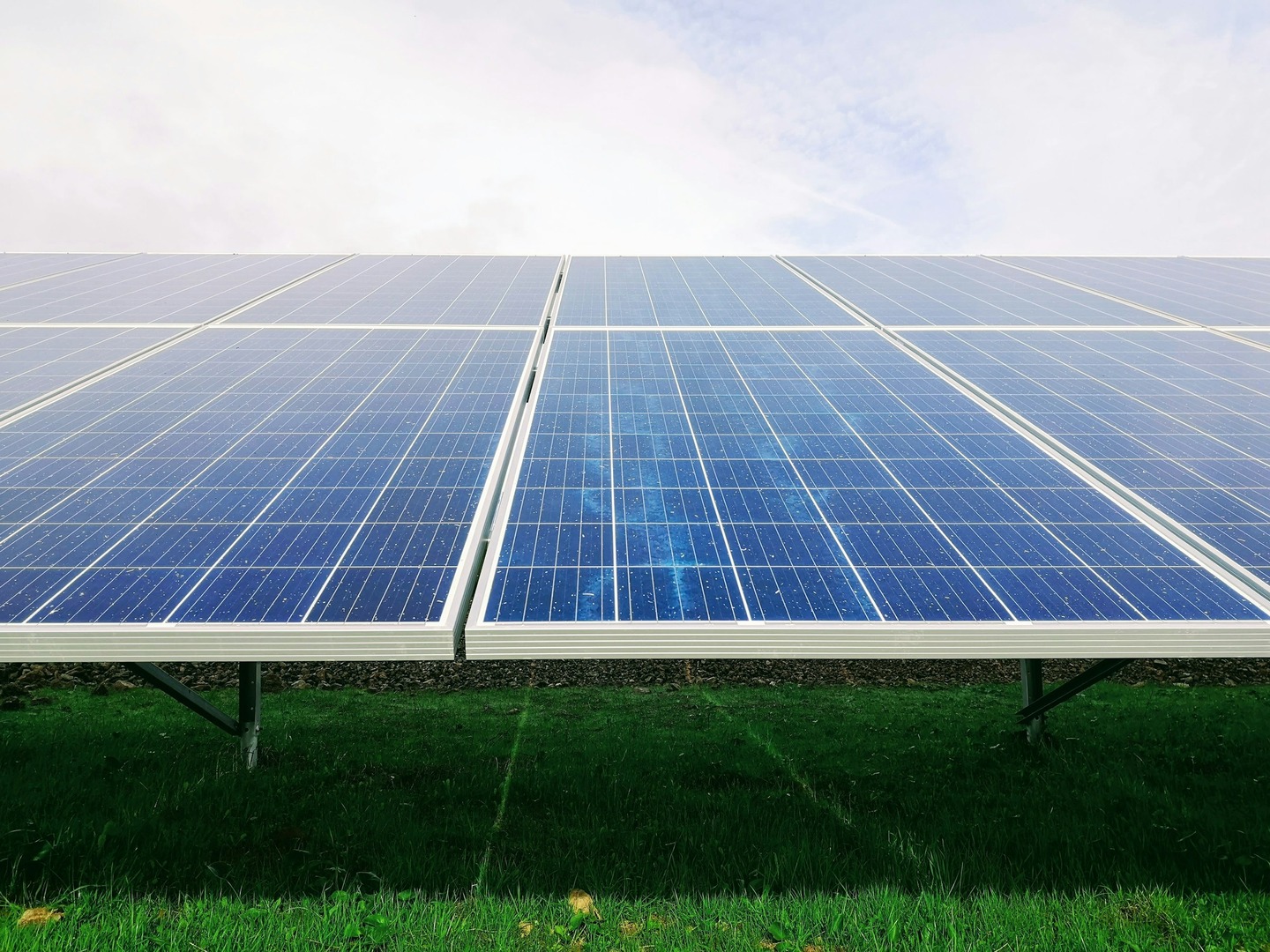
In 2025, all growth in global electricity demand was met by renewable energy, while fossil fuel generation remained flat. Solar power generation rose by nearly one-third in 2025, reaching a record level. From 2015 to 2025, solar output grew tenfold, roughly doubling every three years. China accounted for more than half of the increase in solar generation.
Solar power accounted for 75% of the increase in electricity demand in 2025, with the remainder mostly met by wind power. Electricity generation from fossil fuels fell by 0.2%. India added record levels of clean generation, while fossil fuel generation fell by 52 terawatt-hours. In 2025, renewables made up 34% of global electricity generation, slightly surpassing coal, which accounted for 33%.
***
Further reading: Clean energy generation exceeded rise in global electricity demand in 2025
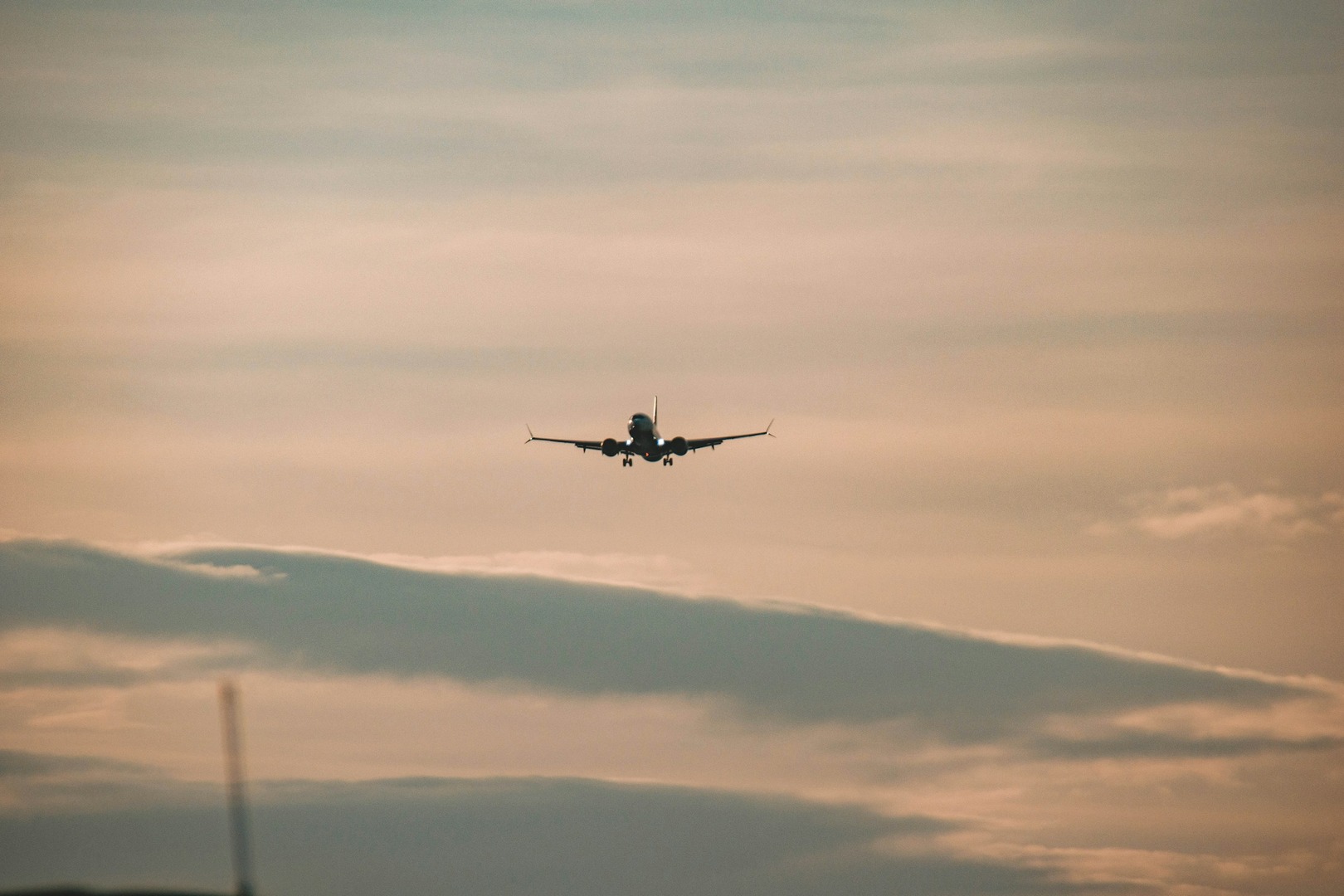
Editor’s Note: The opinions expressed here by the authors are their own, not those of impakter.com — In the Cover Photo: A plane flying over a sunset. Cover Photo Credit: Tim Dennert