Today’s ESG Updates
- EU Drafts an Urgent Plan to Find Jet Fuel: European aviation is exceptionally vulnerable to the current halt in traffic through the strait and the executives are starting to search for new suppliers.
- Apple Shares Environmental Progress: The company is increasing energy efficiency, swapping for carbon-neutral materials, yet brought down by shipping emissions.
- UK’s Energy Secretary Responds to Oil Crisis:The center point of his announcement is the plan to delink British electricity bills from the price of natural gas.
- USA Rare Earth Acquires Brazil’s Largest Mining Plant: Following China’s export restrictions on rare earths in retaliation for US tariffs, Western governments have scrambled for alternative sources in other regions.
EU starts working on potential jet fuel supply risks
The European Union is preparing to intervene directly in its aviation fuel market, driven by an escalating crisis in the Middle East that has choked off a vital supply line. With energy flows through the Strait of Hormuz remaining at a standstill, the bloc’s executives are drafting an emergency plan to avoid fuel shortages at its airports. According to a draft document, the European Commission intends to announce these measures on Wednesday, with formal proposals expected as early as next month.
At the heart of the anticipated initiative lies the intention to coordinate efforts to optimize fuel distribution among the bloc’s 27 member countries, as well as plans for what to do when the current limited supply runs out. In other words, the authorities are shifting from monitoring to actual management of logistics to keep the flights active. At the same time, the European Commission will pay attention to organizing searches and purchases of additional fuel from sources that do not depend on transit through the Strait of Hormuz.
Roughly 40 percent of the jet fuel consumed within the EU is supplied through external sources, and half of this total must pass through the Strait of Hormuz. The elimination of this source can potentially have a devastating effect on aviation in the bloc.
***
Further reading: EU to Step Up Measures to Address Risk of Jet Fuel Shortfall
Klimado – Navigating climate complexity just got easier. Klimado offers a user-friendly platform for tracking local and global environmental shifts, making it an essential tool for climate-aware individuals and organizations.
Apple shares positive results in the Environmental Progress Report
Apple has just released its latest Environmental Progress Report, and the headline number is that the company and its suppliers avoided over 26 million metric tons of greenhouse gas emissions in 2025. That’s a large improvement upon the 21.8 million tons avoided the year before, so close to 20%. It provides insight into Apple’s climate strategy—adapting its manufacturing and supply chain.
The numbers show that work is scaling fast. Suppliers have now installed over 20.7 gigawatts of operational renewable energy for Apple production, a nearly 10% increase from 2024 and more than double what it was back in 2021. The avoided emissions aren’t just from transitioning, either. Apple tallied an extra 2 million tons saved thanks to better energy efficiency, plus another 6 million tons from swapping in low-carbon materials.
The company’s total value chain, however, emissions stayed the same for the year. A spike in emissions from product transportation essentially canceled out all that work in manufacturing and product use. Shipping a billion gadgets around the globe is a carbon headache of its own, one Apple currently overlooks.
***
Further reading: Apple Avoids Over 26 Million Tons of Emissions Through Use of Clean Energy in Supply Chain
Related Articles
Here is a list of articles selected by our Editorial Board that have gained significant interest from the public:
UK energy secretary aims to delink gas and electricity prices
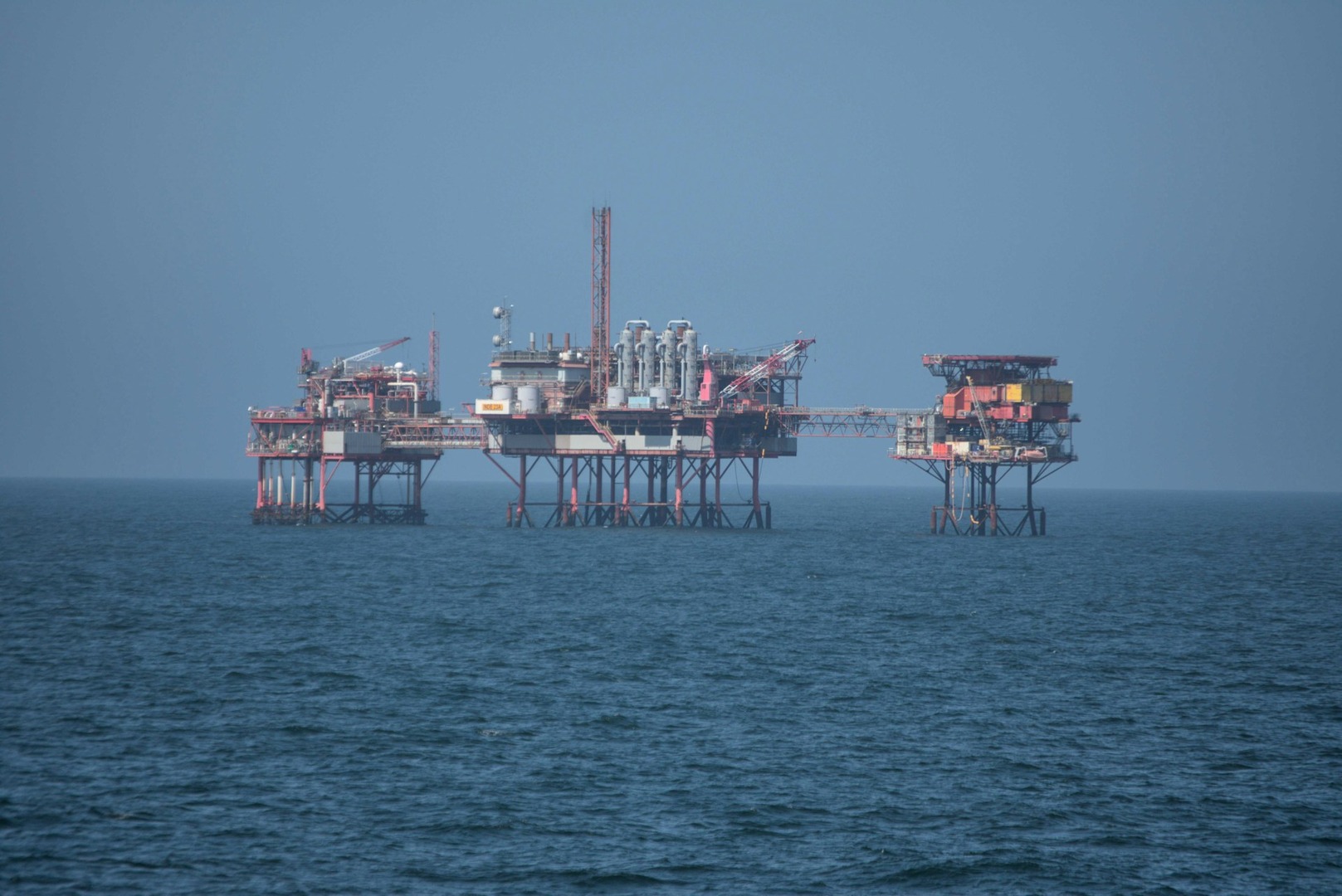
Amid the conflict in Iran and the blockade of the Strait of Hormuz, UK Energy Secretary Ed Miliband views the crisis not as a reason to retreat from climate goals but as a necessity to double down and accelerate.
The centerpiece of his announcement remains the plan to break the connection between British electricity bills and the price of natural gas. It involves shifting older wind and solar farms currently on the legacy “Renewables Obligation” scheme onto fixed-price Contracts for Difference (CfD). By guaranteeing a set price for power, expensive gas-fired generation no longer determines the price of all electricity. To ensure compliance, the Treasury is preparing to increase the Electricity Generator Levy—the windfall tax on power sold above £75 per megawatt hour—effectively penalizing generators who choose to remain exposed to volatile wholesale markets.
While the strategy reaffirms the long-term pivot away from hydrocarbons, Miliband will attempt a delicate political balancing act on the future of the North Sea. However, the government is exploring arrangements to maximize output from existing infrastructure. This approach comes as the political pressure mounts: the domestic energy price cap is projected to rise by roughly 12% to £1,836 for a typical household by July, threatening Labor’s 2024 election pledge to cut bills by £300 by 2030.
***
Further reading: Ed Miliband to double down on net zero with measures to combat Iran energy shock

The US plans to acquire rare earths mining company in Brazil
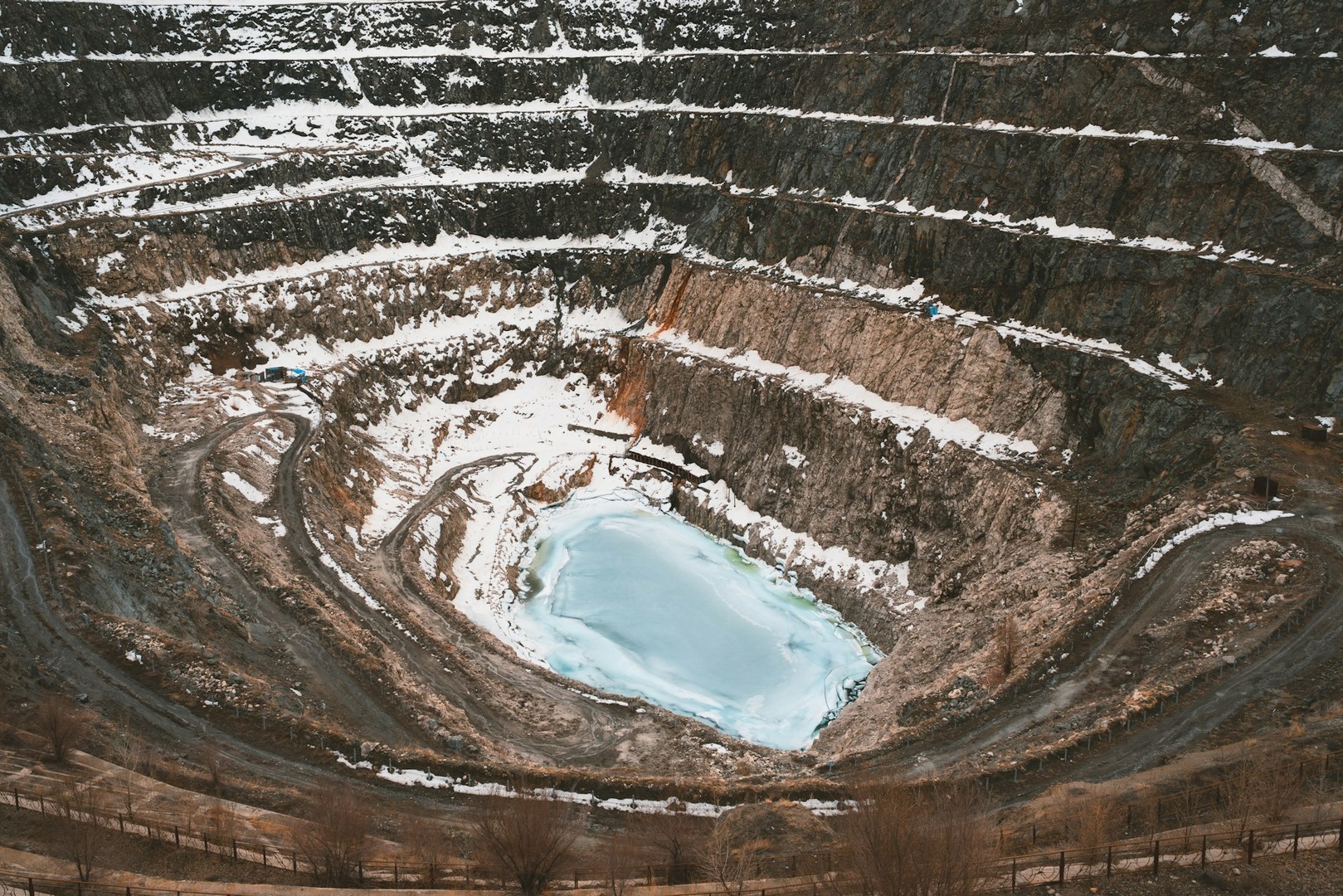
USA Rare Earth, an Oklahoma-based company with significant financial backing from the Trump administration, has agreed to acquire Brazilian producer Serra Verde in a cash-and-stock deal valued at $2.8 billion. The transaction, announced Monday, highlights Washington’s intensifying push to build a secure, non-Chinese supply chain for the critical minerals essential to electric vehicles, renewable energy technologies, and advanced weaponry.
Serra Verde shareholders will receive newly issued USA Rare Earth shares and $300 million in cash. The news sent USA Rare Earth’s Nasdaq-listed stock up 8.3% in pre-market trading, lifting its market capitalization to $4.4 billion. USA Rare Earth has received up to $1.6 billion in federal support but currently lacks domestic commercial mining or magnet-making operations. Serra Verde, on the other hand, operates Brazil’s only active rare-earth mine and a facility that USA Rare Earth CEO Barbara Humpton described as the sole producer outside Asia capable of delivering all four magnetic rare-earth elements at scale. The mine is projected to account for roughly half of the global supply of heavy rare earths outside China by 2027.
***
Further reading: Washington-backed rare earth group to buy Brazilian miner for $2.8bn
Editor’s Note: The opinions expressed here by the authors are their own, not those of impakter.com — In the Cover Photo: Boarding for a Ryanair flight; Cover Photo Credit: Portuguese Gravity