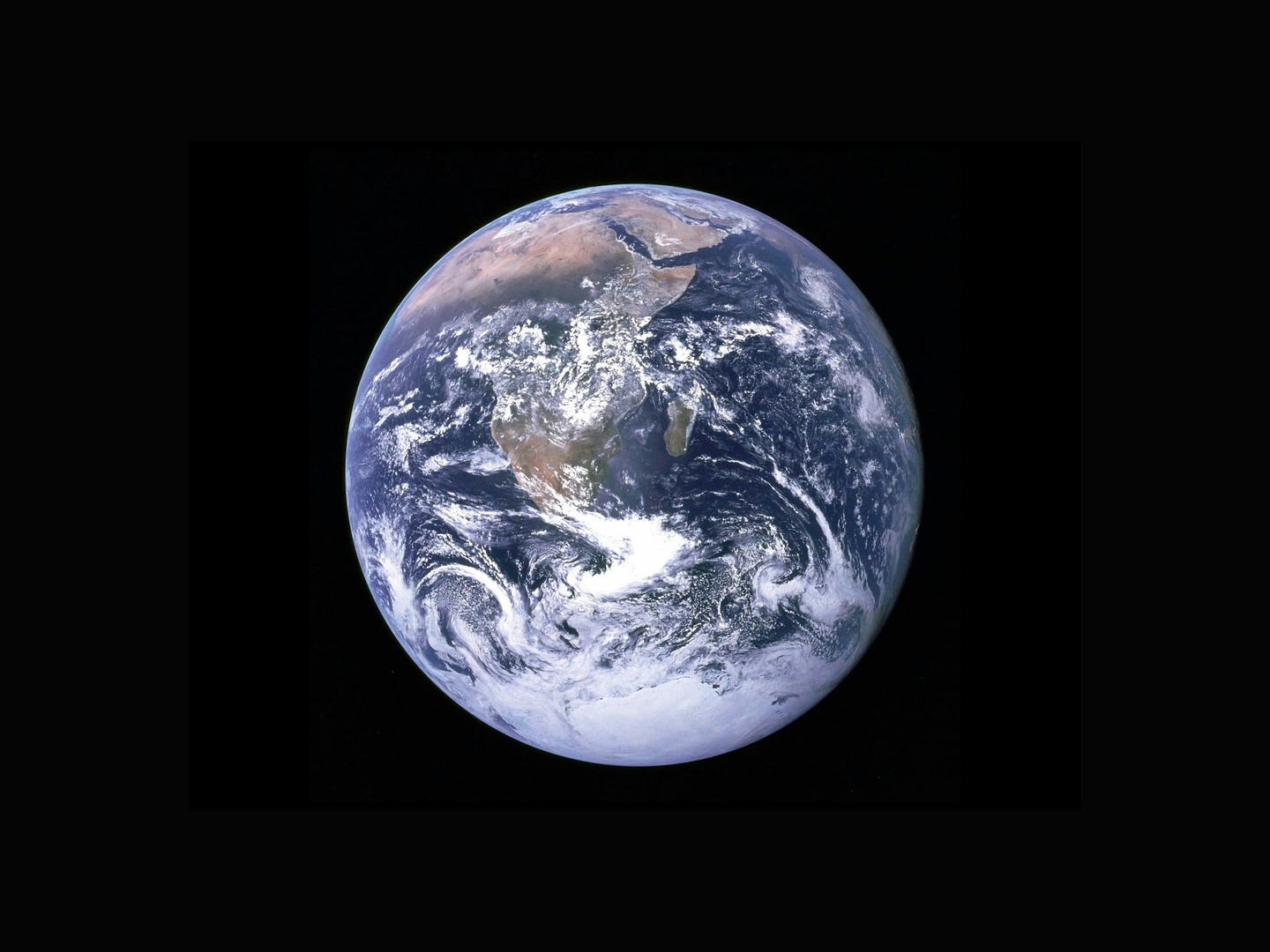
Earth Day began as a way to raise awareness for the health of our planet. More than 50 years after the first Earth Day, the state of the climate is more vulnerable than ever. Yet, individuals, communities, and scientists alike are taking action for our planet.
History of Earth Day
The first-ever Earth Day took place 56 years ago in the United States, after Senator Gaylord Nelson of Wisconsin grew concerned about the massive air pollution affecting the States. At the time, air pollution was considered “the smell of prosperity,” as industries and inefficient cars pumped emissions into the atmosphere.
Wanting to capture students’ energy, Nelson recruited Denis Hayes to join the movement. They chose April 22, 1970, a weekday between the fun of Spring Break and the seriousness of final exams, to maximize student participation.
On the first Earth Day, 20 million Americans, equivalent to 10% of the population at that time, came out to protest. This eventually led to the creation of the Environmental Protection Agency.

Several environmental laws were also enacted as a result of the impressive 1970 Earth Day turnout. These laws included the Clean Air Act, the National Environmental Education Act, and the Occupational Safety and Health Act. The Clean Water Act was signed into law two years later.
The impacts of Earth Day continued to grow, with nearly one billion people taking action in 2010 and the Paris Agreement opening for signature on April 22, 2016. Today, amid political pressures and a warming planet, Earth Day action is more important than ever.
“Our Power, Our Planet”
Environmentally conscious individuals, organizations, and governments around the globe celebrate Earth Day. This year’s theme, “Our Power, Our Planet,” refers to the roles individuals and communities play in protecting our environment.
The Earth Day 2026 manifesto opens with this:
“At a moment of heightened uncertainty and environmental stress, one conclusion is clear and broadly shared: progress in protecting our land, air, and water is real, resilient, and ongoing.”
The theme of this year’s Earth Day consists of two pillars. Pillar one is “Resilience and Institutional Continuity,” meaning that despite changing federal policies, individual communities worldwide can take climate action.
Pillar two is “Shared Interests and Interconnected Outcomes.” This pillar highlights the effects of climate change on overall quality of life, from food insecurity to adverse health impacts to economic implications.
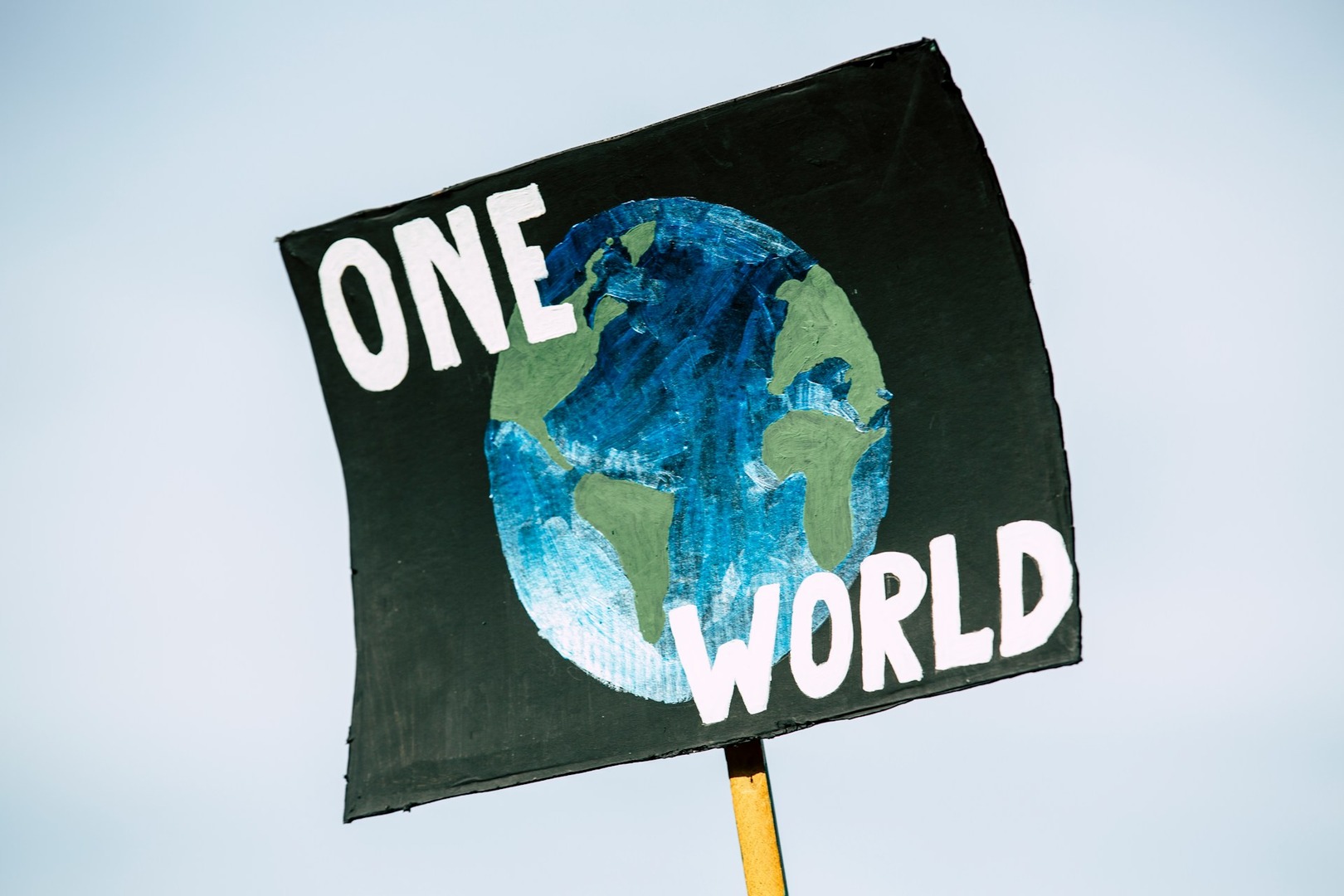
Both pillars highlight the need for environmental action regardless of the current political environment. The good news: from renewable energy to seawater dissolving plastics, society is adapting to environmental needs.
Renewable Energy Advancements
The most significant progress in recent years has been in clean and renewable energy. From North America to Asia, renewable energy has seen sustained growth and continued investments.
Solar power is quickly becoming the fastest-growing renewable in the United States, meeting 61% of the country’s 3.1% demand growth in 2025. According to the U.S. Energy Information Administration, solar and wind power accounted for 17% of electricity generation in 2025, a number that has been steadily growing.
In January, more than 80% of Portugal’s electricity came from renewable sources (mostly wind and hydropower), according to the Portuguese Association for Renewable Energies (APREN). This positions Portugal as the EU’s leader in renewable energy use. Norway, a non-EU country, surpassed Portugal, with 96.3% of energy production coming from renewables over the same time period.
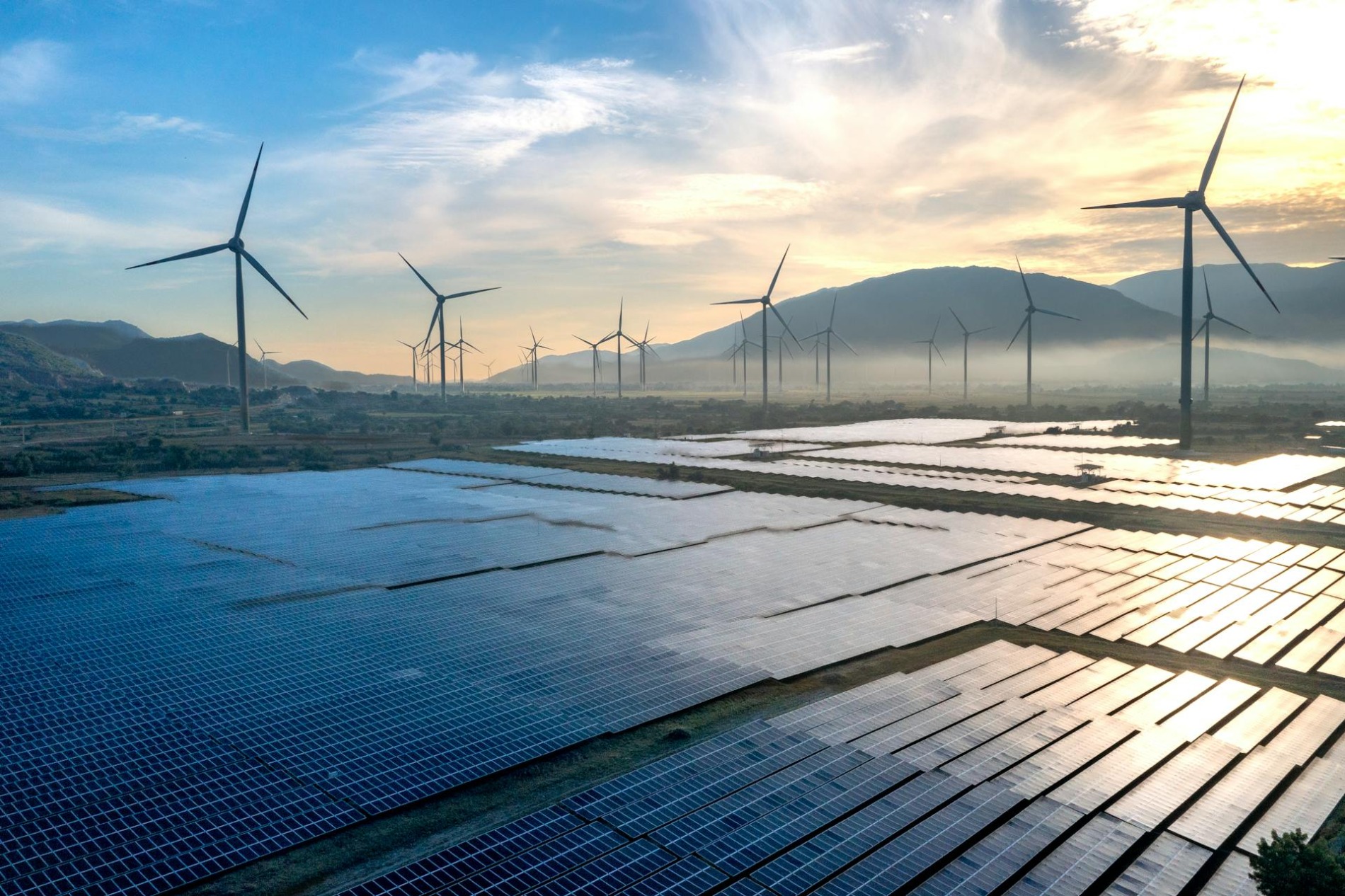
Clean energy has exceeded global energy demand, according to a report released by the global think tank Ember on Tuesday (April 21). Global solar generation rose by 30%, increasing to 636 TWh in 2025. As clean energy has increased, fossil fuel usage has remained flat.
Ember’s managing director, Aditya Lolla, said:
“Clean energy is now scaling fast enough to absorb rising global electricity demand, keeping fossil generation flat before its inevitable decline. The momentum we are seeing is no longer just an ambition, it is becoming a structural reality.”
In China and India, electricity generation from fossil fuels fell for the first time in a century, falling by 56 TWh and 52 TWh respectively. Coal generation also fell by 63 TWh worldwide for the first time since 2020.
More recently, the conflict in the Middle East has highlighted the importance of renewable energy sources and energy independence, and may be driving increased interest in renewables.
Octopus Energy, the UK’s leading energy firm, saw a 50% spike in solar panel sales in March, shortly after the US and Israel began the war with Iran.
Electric vehicle sales appear to be surging as well. In the first quarter of 2026, EV sales in Europe rose by 29.4%, and by 51.3% in March alone. The same might be happening in Asia, with Thailand seeing a 20% increase and Vietnam offering EV tax incentives.
Wildlife and Conservation
Scientists are discovering more than 16,000 new species each year. A Science Daily report by the University of Arizona claimed that we are living in the “golden age of species discovery.”
In Italy, Sardinia’s griffon vultures are coming back from the brink of extinction. The birds, highly susceptible to chemicals and pesticides, had a population of 60 in 2014. Now, there are over 500 vultures on the island, making this population growth one of the country’s most impressive conservation success stories.
For the first time in more than 30 years, Coho salmon have returned to California’s Russian River. The state invested in rescue operations, habitat restoration, and improved fish passage systems to make the return of the native salmon species a reality.
To prevent wildlife collisions in the US, the Federal Highway Administration is investing in a Wildlife Crossings Program, and in December 2025, North America’s largest wildlife overpass opened in Colorado.

In the Democratic Republic of Congo (DRC), conservation efforts and legal protections have prevented the near extinction of the highly intelligent African grey parrot. Meanwhile, Kenya opened the largest wildlife sanctuary for critically endangered black rhinos, covering 3,200 square kilometers of Tsavo West National Park.
While many species still face the threat of extinction due to climate change and human activities, conservation efforts are proving effective for animal populations worldwide.
Inventions and Discoveries
As climate change continues to threaten our natural world, scientists are continually adapting and developing groundbreaking products to mitigate climate-related harm.
Scientists in Japan have developed a plastic that dissolves in saltwater, a technology that could curb microplastic pollution in the oceans. Meanwhile, researchers at Rice University in Texas are developing a technology that can remove PFAs, known as “forever chemicals,” from water.
At the University of Leeds, scientists have found that nitrogen-rich soil can help trees grow twice as fast in tropical forests. The National Forest Foundation in the United States is testing aerial drone seeding for reforestation in parks affected by forest fires.
Artificial intelligence is being used to prevent deforestation. The WWF’s Forest Foresight technology uses historical satellite imagery and additional datasets to predict deforestation up to six months in advance.
AI is also playing a role in mitigating wildfires. Startups like Overstory and Rhizome are using mapping AI tools to assess vulnerable trees and help prevent wildfires, while Pano AI is offering wildfire-detection solutions to aid first responders.
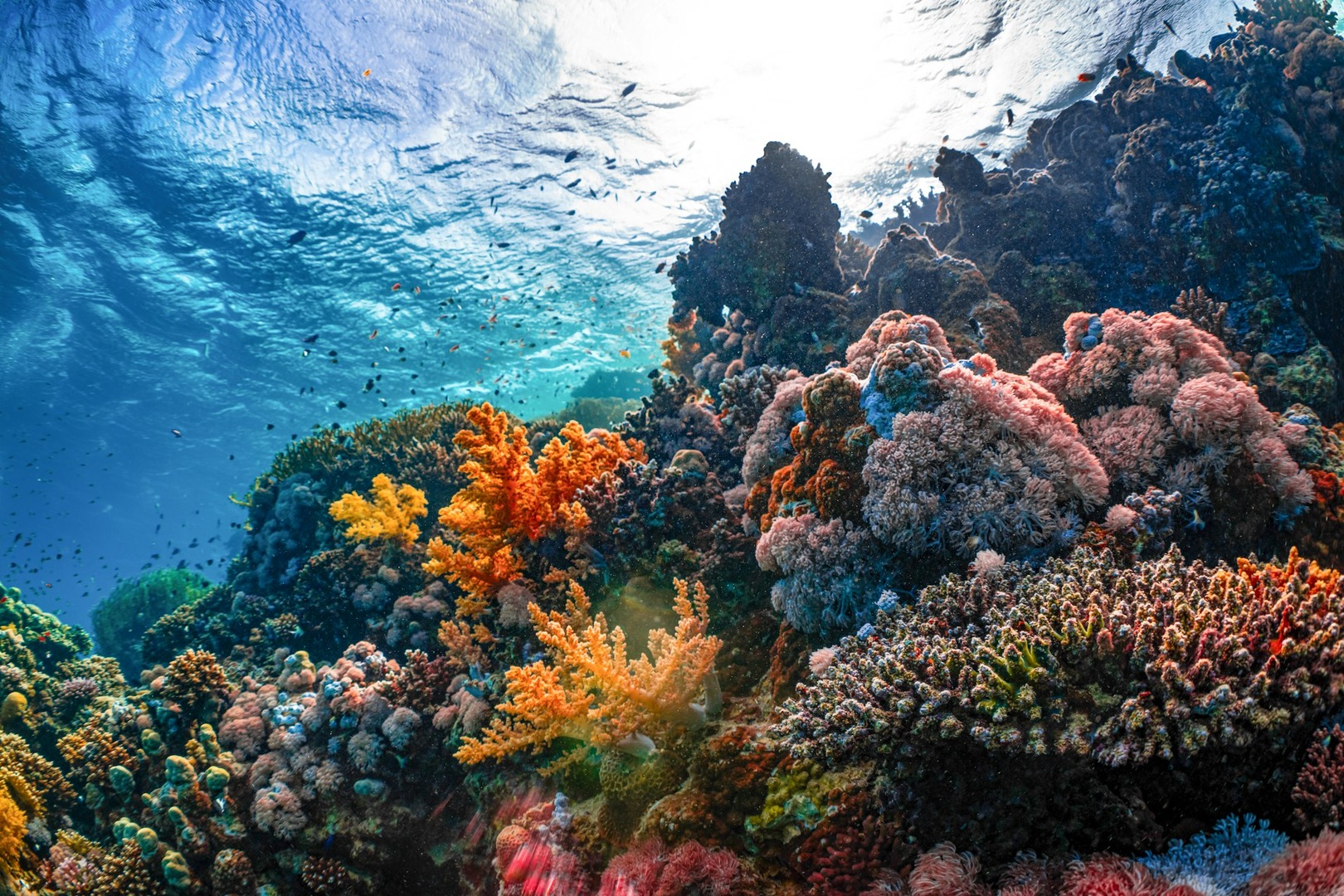
As rising ocean temperatures have increased coral bleaching, a new device called the Underwater Zooplankton Enhancement Light Array (UZELA) is being used to help preserve coral reefs. The device uses underwater light to attract zooplankton, which the microorganisms feed on, thereby strengthening the coral. Scientists have found that the stronger the coral is, the more resilient it becomes.
This is only a snapshot of the brilliant innovations available today. Scientists from every corner of the globe are consistently working to improve the health of our environment through new inventions and discoveries.
How You Can Help
Earth Day organizers emphasize that “imperfect climate action is better than inaction.” There isn’t a best method to becoming an eco-friendly superstar. Small, deliberate actions can still make an impact.
Here are some ways you can celebrate Earth Day and become more sustainable in your day-to-day life:
- Make sustainable switches
There are many ways to incorporate sustainable switches into your everyday life. This could be remembering to bring your reusable shopping bag to the supermarket, or buying your clothes secondhand. Making plant-based meals a few times a week can significantly reduce your carbon footprint, as animal agriculture is one of the biggest contributors to climate change. Additionally, making a committed effort to “reduce, reuse, and recycle” could have a lasting positive impact.
- Share climate change facts on your social media
Sharing knowledge is one of the easiest ways to make a difference. Simply reposting an image or video from your favorite sustainable content creator increases visibility and motivates others to learn and change their behaviors as well.
- Join a demonstration or a cleanup
Find a local Earth Day protest or keep an eye out for future climate-related demonstrations in your area. If you live near a beach, join a beach cleanup. If you live in a city, volunteer to clean up trash in a local park.
- Plant a tree or a garden
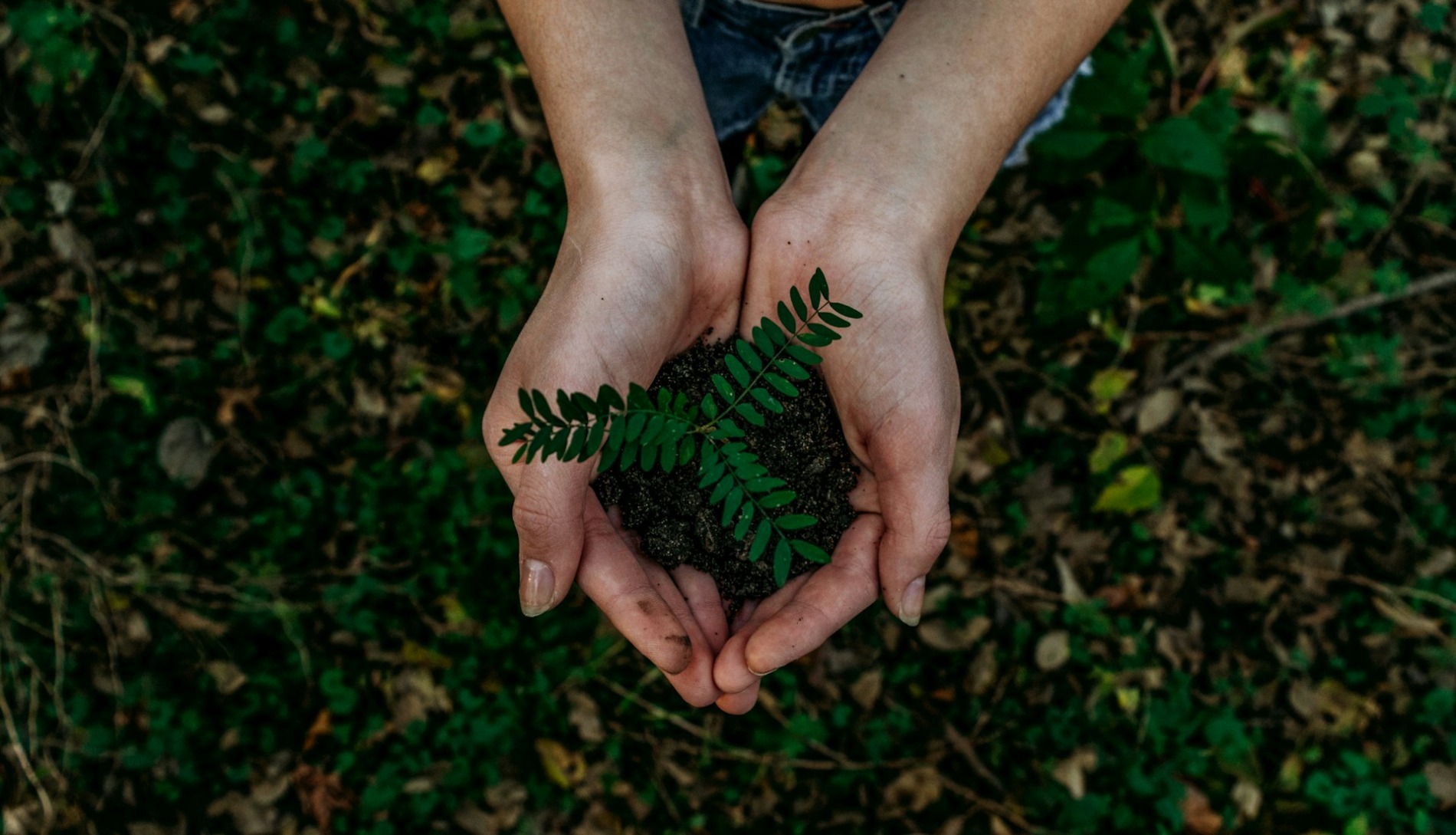
Trees are significant for natural carbon capture, as they take carbon dioxide from the air and store it in their wood. Planting new trees is a meaningful way to increase carbon-capture capacity. As a result of climate change, pollinator populations are declining globally. With the help of this toolkit, you could create a habitat for struggling pollinators in your own backyard.
World-renowned anthropologist Jane Goodall once said:
“What you do makes a difference, and you have to decide what kind of difference you want to make.”
This Earth Day, decide what difference you want to make for the planet and take action, no matter how small.
Editor’s Note: The opinions expressed here by the authors are their own, not those of impakter.com — In the Cover Photo: View of the Earth as seen by the Apollo 17 crew traveling toward the moon. Cover Photo Credit: NASA.