Today’s ESG Updates
- Norway Pauses UNEP Funding: Norway has halted key funding to the UN Environment Programme, increasing uncertainty around delayed global plastic treaty negotiations that are now expected to resume in 2027.
- Saudi Aramco Shifts Exports: Saudi Aramco is rerouting up to 70% of crude exports through Red Sea infrastructure amid Strait of Hormuz disruptions, warning oil market recovery could be delayed until 2027.
- Australia Targets Datacentre Energy Use: Australian ministers want datacentres to fully offset rising electricity demand with renewable energy and storage investments as sector power consumption is set to triple by 2030.
- EPA Accelerates Pollution Permits: The U.S. EPA will fast-track clean air permit reviews for major industrial polluters, reducing approval timelines as part of a broader effort to ease regulatory burdens.
Norway pauses funding to UN Environment Programme as plastic treaty faces prolonged delay
Norway, the largest donor to the United Nations Environment Programme (UNEP), has paused its funding to the body ahead of a revised budget on 12 May. Norway has given about $12m (£9m) a year to the fund over the three years to 2025, along with $19m to the Planetary Fund and $7.8m in earmarked funds in 2025. The pause in funding casts significant uncertainty over the global plastic treaty talks, which have not reached any agreement since talks began in 2022, after six rounds of discussions. The Norwegian Agency for Development Cooperation (Norad) has also postponed a funding call valued at £4m- £6m per year for projects to combat plastic pollution in developing countries.
Negotiations for the global plastic treaty are expected to resume in early 2027 following the election of a new chair this year.
***
Further reading: Norway puts UN project funding on hold raising fears for plastics treaty talks
Klimado – Navigating climate complexity just got easier. Klimado offers a user-friendly platform for tracking local and global environmental shifts, making it an essential tool for climate-aware individuals and organizations.
Saudi Aramco navigates Hormuz blockade with Red Sea export shift

Saudi Aramco CEO Amin Nasser warned that continued disruption to oil exports via the Strait of Hormuz could delay market stabilization until 2027. The market is currently losing approximately 100 million barrels of oil a week due to the blockade.
Aramco has ramped up exports via the East-West pipeline to the Red Sea port of Yanbu to sustain 60-70% of its crude export volumes. The company is exploring ways to expand the 5 million barrels per day export capacity at the Yanbu terminal. Aramco is exporting almost 900,000 barrels per day of refined products via separate western terminals to capture higher margins during the blockade.
If required, Saudi Arabia can reach its maximum sustainable capacity of 12 million barrels per day of crude in less than three weeks.
***
Further reading: Strait of Hormuz disruption could push oil market recovery into 2027, Aramco CEO says
Related Articles
Here is a list of articles selected by our Editorial Board that have gained significant interest from the public:
Australian ministers demand datacentres fully offset surging energy use

State and federal energy ministers agreed that datacenters should fully offset their electricity demand through investments in new renewable generation and energy storage. Ministers proposed that datacenters provide demand flexibility services to allow the network to control the amount of electricity drawn. The Australian Energy Market Commission (AEMC) is required to advise ministers by July on how to implement these measures to manage energy needs.
Today, Australia has 162 datacentres with an operational capacity of 1.4 gigawatts, and this is expected to more than double to 3.2 gigawatts by 2030. Datacenters currently account for approximately 2% of electricity use in the main east coast market. According to the Australian Energy Market Operator (AEMO), the amount of electricity datacenters use will triple by 2030. The datacenter industry currently offsets 70% of its energy use through long-term renewable energy agreements and certificates.
***
Further reading: Datacentres should be forced to invest in wind and solar energy, all states agree – except Queensland

EPA speeds up clean air permitting process for large industrial polluters
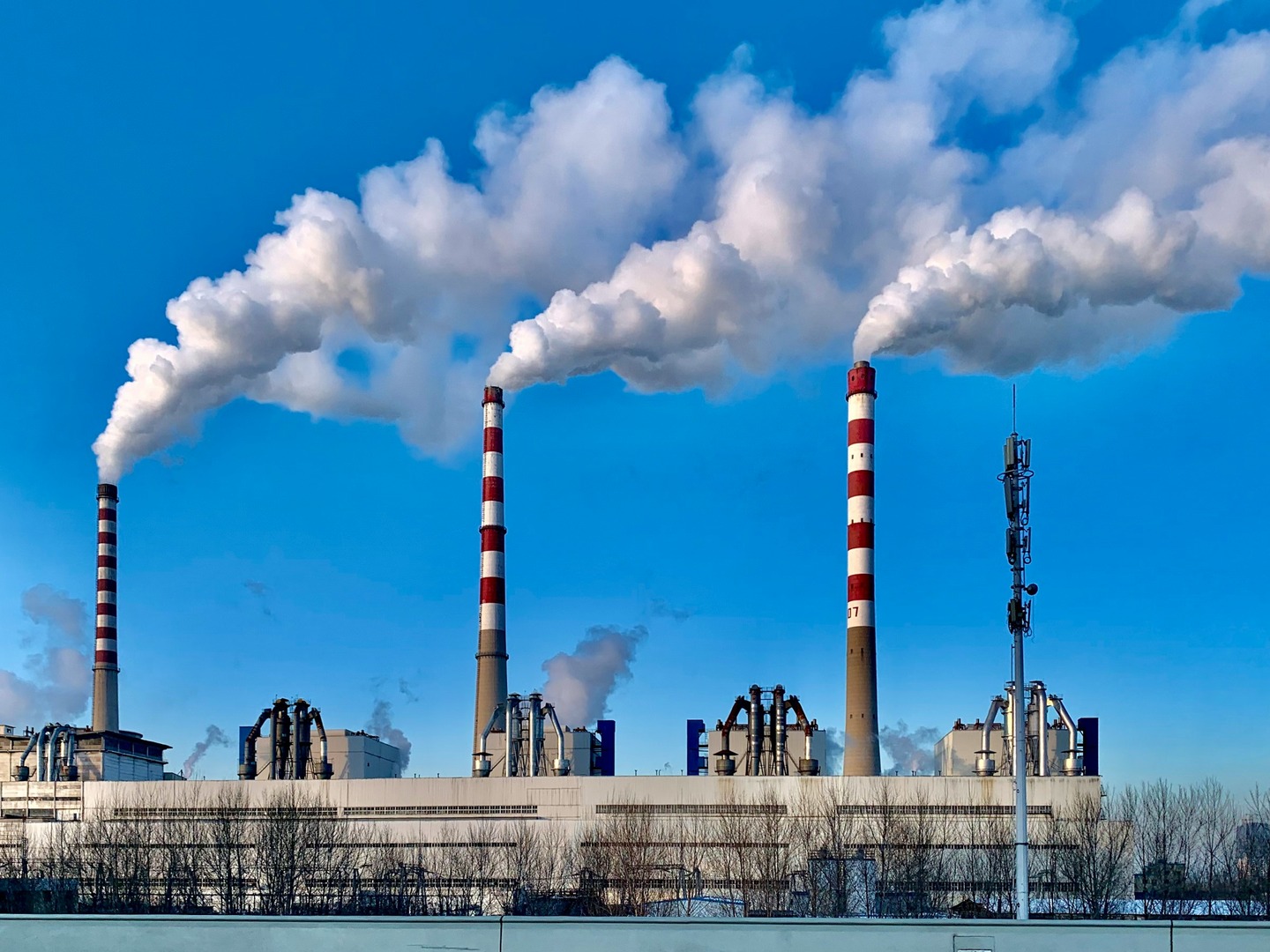
The U.S. Environmental Protection Agency (EPA) announced it will speed up the process for large polluters to obtain clean air permits as part of an effort to ease regulatory burdens. The EPA may now take fewer than 45 days to review Title V permits for large industrial facilities like power plants, refineries, and smelters.
Under the Clean Air Act, the agency previously had up to 45 days to object to a proposed permit after receiving it. The new guidance clarifies that the EPA does not have to use the full 45-day period for its reviews. The EPA is encouraging regional offices to accelerate reviews where appropriate and upon request from permitting partners.
***
Further reading: US EPA moves to speed clean air permits for power plants, industry
Editor’s Note: The opinions expressed here by the authors are their own, not those of impakter.com — In the Cover Photo: Opening of the High-Level Segment, Dec 11, 2025. Cover Photo Credit: © UNEP / Kiara Worth / CC BY-NC-SA 4.0