China is the world leader in renewable energy investment, pouring in nearly half of the world’s total low-carbon spending for 2022 alone. Yet, it is also a great example of the contradictions dogging global efforts to decarbonise as part of attempts to fight climate change.
The USD$546 billion spent made China the world’s biggest market for renewable energy, increasing its capacity to nearly 1.2 terawatts — the equivalent of illuminating 120 billion LED bulbs.
China is also among the fastest at reducing its energy consumption intensity, dropping 28.7% between 2011 and 2020, and plays a leading role in global cooperation by promoting sustainable development in countries that participate in its Belt and Road Initiative.
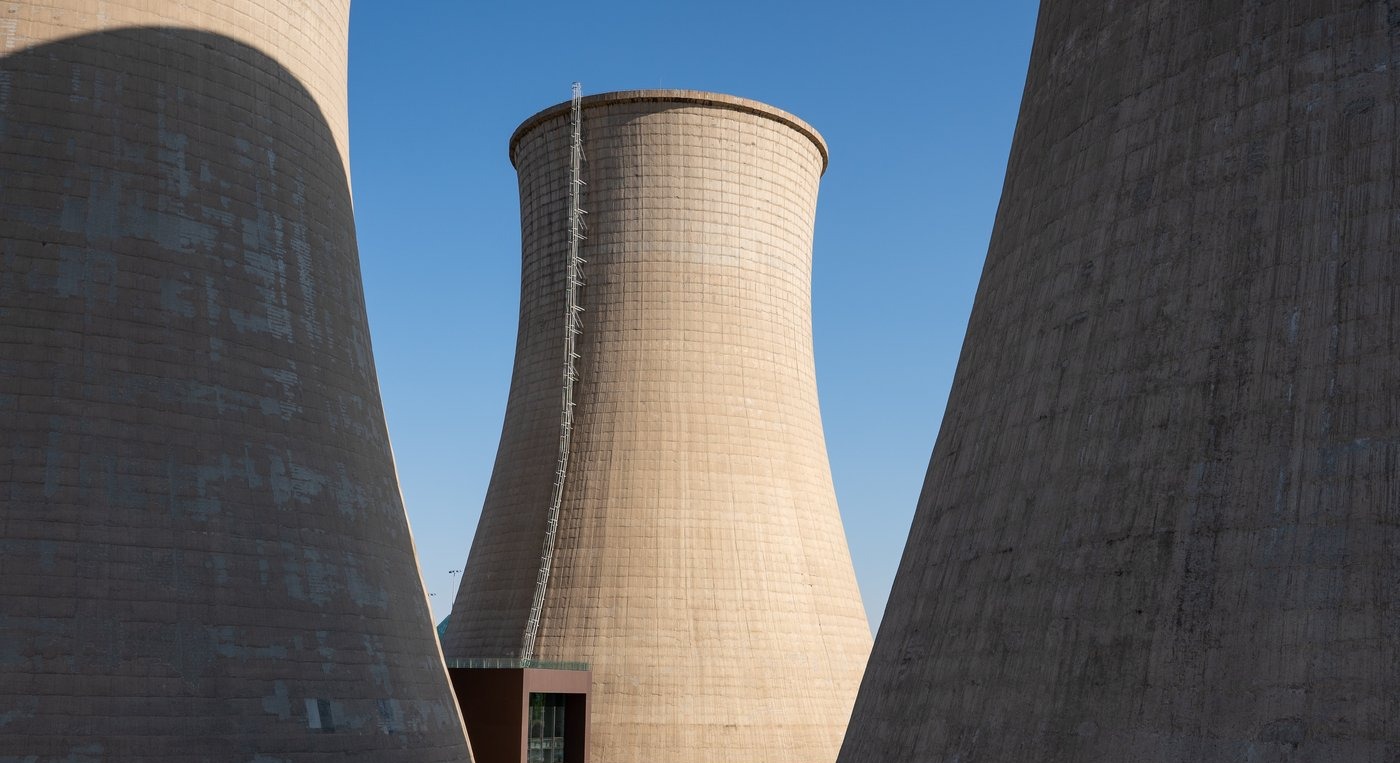
Despite its stellar results, China continues to build new coal power plants at an astonishing rate. It has six times as many coal plants starting construction as the rest of the world combined, permitting an average of two new plants a week last year.
The consolation here is that China is shutting smaller and more polluting coal power plants and replacing them with larger, less polluting ones.
China is not alone — such contradictions are widespread across the world, notably in Japan, India, Indonesia and Vietnam.
Coal power plants are one of the worst polluters of the environment due to the large amounts of greenhouse gases, such as carbon dioxide, they emit. They also emit other pollutants, such as sulphur dioxide and nitrogen oxides, which can cause serious respiratory and other health problems.
The United Nations addresses climate action in Sustainable Development Goal (SDG) 13.
SDG 13 focuses on taking action to combat climate change and its impacts, including extreme weather events, rising sea levels, and melting ice caps. It aims to reduce greenhouse gas emissions, adapt to climate change impacts, build resilience, and raise awareness of climate change.
The term climate action captures a range of activities, such as reducing energy use, conserving water, recycling and composting, planting trees and reducing motorised transport. It also includes increasing active transport, including walking and cycling, as well as supporting businesses that weave sustainability into their DNA.
The slow progress on decarbonisation is often chalked up to a lack of political will, which leads to low public awareness. The reverse can also be said to be true.
In 2021, only 57% of 12,096 respondents to a global survey believed that a political candidate’s record and position on climate action affected their voting decisions.
This underscores the need for greater civic engagement so that politicians are increasingly held accountable for their legislative contribution and public investment in climate action.
Related Articles: For a Successful Energy Transition: Keeping Cost of Renewables Low Is Not Enough | Women Advancing the Global Energy Transition
The Indo-Pacific is home to countries with different levels of development and priorities, but all are affected by climate change. Many countries have conflicting actions in response to climate change because of the dilemma between development and carbon reduction.
In November 2022, Indonesia accepted a USD$20 billion deal to help retire coal power plants early, mitigate the economic impact and increase renewable energy. This deal required loans, grants, and other financial tools from the United States, Japan, Citigroup and the Bank of America.
Despite international assistance, Indonesia has an exemption clause to its commitment to stop developing new coal power plants. The ban does not apply to plants already in the pipeline or attached to “nationally strategic projects,” like the world’s biggest green industrial park in North Kalimantan.
High cost is also a barrier to the transition to a low-carbon economy because many countries do not have the resources. Developing economies, especially in small island states, find the challenge particularly steep.
Southeast Asia needs to invest about USD$210 billion a year leading up to 2050 to limit global temperature rise to 1.5 degrees Celsius. The investment is more than 2.5 times the amount actually planned by Southeast Asian governments to reach their goals.
There are also technological challenges in reducing greenhouse gas emissions. More efficient ways to store renewable energy need to be developed to enable its higher penetration in the grid.
Other examples include carbon capture and storage and nuclear fusion. Advanced materials are still in the early stages of development, but carry the hope of leapfrogging efficiency, increasing safety and reducing the costs for solar panels, wind turbines, energy storage, carbon capture and storage, and nuclear fusion.
The need for meaningful planning and effective implementation is clear. This is what the UN Sustainable Development Solutions Network sets out to encourage and mobilise.
For instance its ASEAN Green Future project — a collaboration with Climateworks Centre and researchers across Southeast Asia — builds an analytical foundation for inclusive regional power decarbonisation. It leverages economies of scale, shared resources, coordinated policy-making and enhanced cooperation for cross-border electricity trading.
This project strengthens regional knowledge sharing and helps ASEAN member states better design and implement green transformation of economies.
It also enables collective engagement with decision-makers across Southeast Asia to translate evidence from analysis into targeted and measurable actions.
Fostering greater political will to decarbonise involves raising awareness of the climate crisis, demonstrating the benefits of meaningful decarbonisation, building a coalition of support, electing leaders who are supportive of meaningful decarbonisation, and ultimately holding leaders accountable.
The development-decarbonisation contradictions highlighted show that climate problems cannot be solved exclusively with materialistic solutions, which do not address the addictive lock of increasing consumption.
Human progress needs to shift from outward, which is about consumption and territorial expansion, to inward, which is about properly establishing the relationships between humans and the universe.
This requires drawing from ancient wisdom traditions – teachings that have been passed down through generations. They offer insights into the human condition, how to live a good life, and the symbiotic relationship between humans and all other living beings.
This can fruitfully guide the use of technological and political power in climate action as we work towards achieving SDG 13.
— —
This article was originally published by 360info™, and is part of a special report on the “State of the SDGs,” produced in partnership with the UN Sustainable Development Solutions Network (SDSN).
Editor’s Note: The opinions expressed here by the authors are their own, not those of Impakter.com — Featured Photo Credit: Marko Sun.