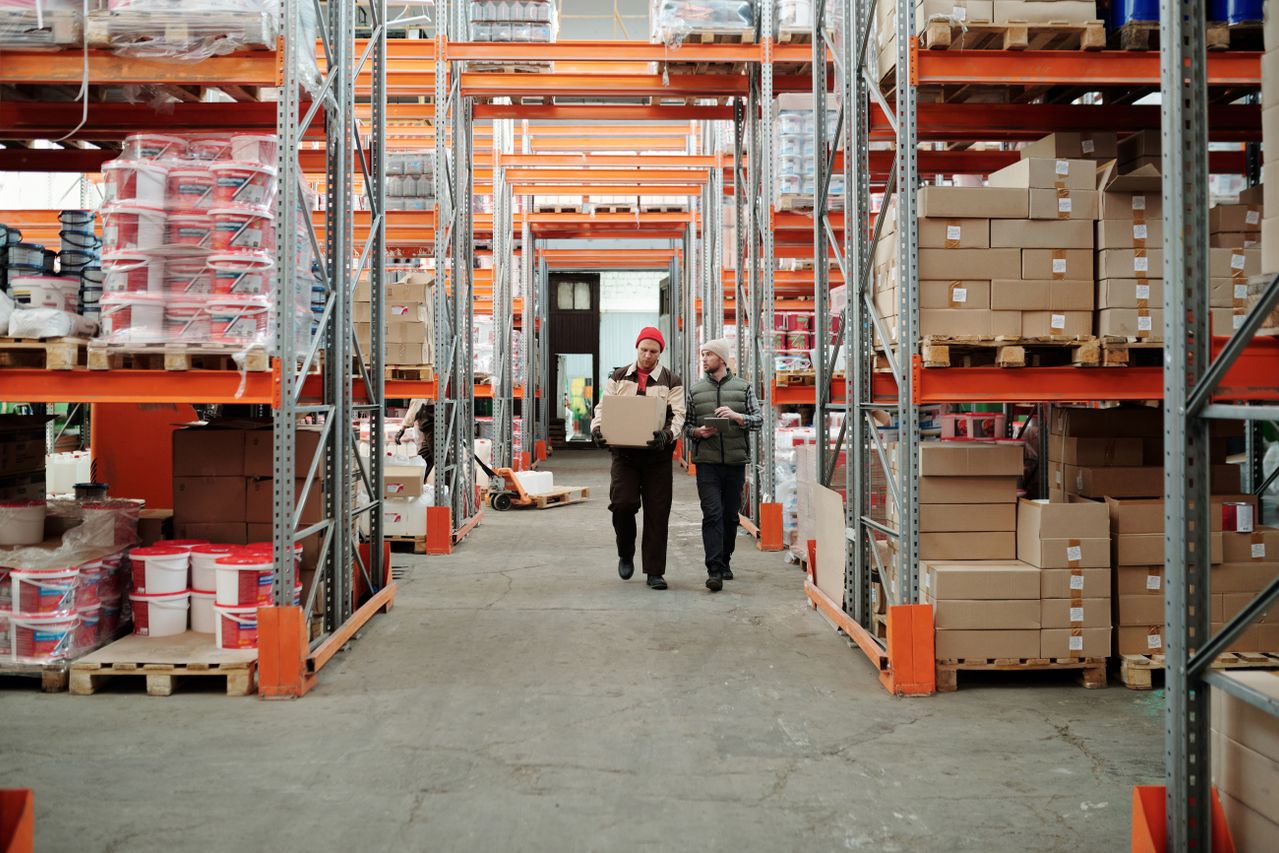
Brisbane’s industrial sector is undergoing a transformation that speaks volumes about modern supply chain priorities.
2025 was Brisbane’s biggest year for investment volumes on record. Several things drove it. Interest rates came down. Infrastructure spending picked up. The population kept growing. And the 2032 Olympic and Paralympic Games pulled in attention from overseas buyers.
That is not just optimism about the economy. It shows how businesses are choosing to spend. Capital is going into assets that run efficiently and can handle both environmental rules and daily operating pressure.
Developers delivered around 155,000 square meters early in 2026, and it was leased faster than it arrived. Vacancy stayed tight anyway. Rents kept climbing.
Australia now has a warehouse-specific tool for measuring whether new logistics facilities actually perform efficiently. NABERS Energy ratings for warehouses and cold stores cover lighting, air conditioning, refrigeration and internal transport, allowing owners and occupiers to benchmark annual energy performance. More broadly, the Australian government estimates that commercial buildings account for around 25% of national electricity use and 10% of carbon emissions, making operational efficiency a material part of industrial decarbonisation.
Demand is clearly strong. The more useful question is what happens inside these buildings once they open.
The Equipment Rental Model and Operational Flexibility
Warehouse expansion creates immediate pressure on equipment availability and capital allocation.
Demand rarely stays flat. A site might need three forklifts in March and one by June. Buying for peak load ties up cash in machines that sit idle most of the year. Hiring avoids that.
All Lift Forklifts covers Brisbane and Southeast Queensland. The fleet includes diesel, electric and LPG units, and hire terms run short or long. Maintenance and operators can be included.
The logic is simple. You pay for use, not ownership. Capital stays free for other things and the machine goes back when the job ends.
Sharing resources helps reduce individual carbon emissions, as less equipment is required overall, and in contrast to ownership models where each user needs separate machines, shared usage is far more efficient and eco-friendly. Equipment sharing extends productive use cycles and prevents redundant capital tied up in underutilized machinery.
Higher utilization of shared machines and extended lifespans can cut greenhouse gas emissions by a third and lower raw material usage overall.
This approach aligns directly with circular economy principles. When equipment circulates through multiple users during peak utilization windows, manufacturers produce fewer units overall, reducing upstream extraction and processing burdens.
Warehouse Energy Use and Efficiency Barriers
Warehouses and distribution centers are one of the fastest-growing building types in the commercial sector, and due to increased supply needs brought on by e-commerce demands, they have become vital to supply chains and distribution networks.
Yet growth amplifies energy consumption challenges that operators struggle to address.
Space heating accounted for the largest share of end-use consumption in warehouse and storage buildings at 39 percent, while other uses and lighting accounted for 21 percent and 15 percent respectively. These figures underscore the scale of opportunity available through targeted interventions.
LED lighting retrofits and renewable installations represent proven pathways to decarbonization within the sector.
Commercial warehouses and storage facilities represent a large part of commercial buildings in the United States, and research is working to understand barriers, sector needs, and opportunities to enhance sustainability in the warehouse sector. The challenge extends beyond technology adoption. It also means getting tenants, investors and operators to agree. They rarely want the same thing. It also means getting tenants, investors and operators to agree. They rarely want the same thing. The landlord pays for the upgrade and the tenant collects the savings on the power bill.
Brisbane has the added problem of physical limits. Space is tight. Energy use is high. Margins are thin enough that spending upfront on sustainability features is a hard sell.
Space is limited. Energy use is high. Margins are thin, so upfront spending on sustainability features rarely gets approved.
Whether the numbers work depends on the setup. How long is the lease. Who owns the building. What the operator can borrow. Those answers differ from one site to the next.
Resource Efficiency as Competitive Infrastructure
There is a demand for resource efficiency improvements across industrial sectors and a need for whole supply chain cooperation to ensure maximum impact, with resource productivity needing to increase by 30 percent by 2030 to bolster GDP and employment. This target frames efficiency not as a compliance burden but as a competitive requirement in tightening markets.
The circular economy, material-efficient design, and sharing of goods can contribute to sustainable production and consumption, with improved resource efficiency and fair sharing of resources being essential to reconciling conflicting development goals. Brisbane’s warehouse boom provides a testing ground for these principles.
Operators who integrate efficiency measures early gain cost advantages that compound over facility lifespans.
The connection between equipment rental models and resource efficiency extends beyond carbon accounting.
When several groups share a space, giving each one its own set of equipment makes little sense. The machines sit idle. The floor gets crowded. Pooling them works better on cost and on emissions.
Warehouses face the same maths. Shared equipment lowers the capital each operator has to put up. It also keeps the machines busy instead of parked.
Where the Money Is Going
Brisbane’s role as a logistics hub keeps growing. New infrastructure and a rising population both feed demand for warehouse space.
It is not only Brisbane. Adelaide and Perth also more than doubled their investment volumes in 2025.
That was a record for each of them. Institutional money is clearly moving into markets that were once considered secondary.
New money means new buildings. That is the moment to set efficiency standards, before operating habits settle in and become expensive to change.
Sustainable warehousing covers a few things at once. Smaller environmental footprint. Better use of resources. Safer and healthier conditions for staff. Get those right and the whole supply chain performs better on sustainability.
Take-up is patchy though. Costs are tight. Ownership is split across too many parties. Leases are short. A tenant with three years left has little reason to pay for a system that takes eight years to repay.
So the sector faces a choice. Efficiency is either designed in or bolted on later.
Cities that plan for it early get the benefit. Less strain on infrastructure. Cities that plan for it early get the benefit. Less strain on infrastructure. Lower energy costs. Better resilience during disruption.
Brisbane is not unusual here. The same shift is happening in logistics markets worldwide. The outcome depends on whether operators, investors and regulators build efficiency in from the start or leave it for later. Early signs point one way.
Markets that reward efficiency are drawing steady investment. The ones that stall will pay for it as energy costs and regulation tighten.
Editor’s Note: The opinions expressed here by the authors are their own, not those of Impakter.com — In the cover image: Resource efficiency in warehouses depends on how businesses manage equipment, energy, space and materials throughout daily logistics operations. Featured Photo Credit: Wikimedia Commons.