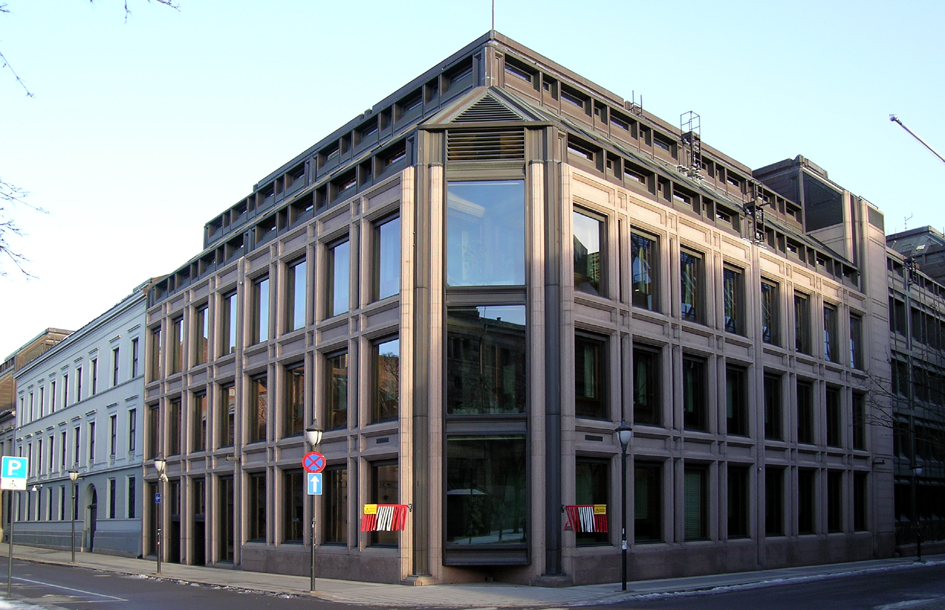
Today’s ESG Updates
- Norway’s Sovereign Fund Opposes US Disclosure Rollback: NBIM says the SEC should preserve baseline climate disclosure rather than scrap it entirely, aligning with Sweden’s AP7 pension fund.
- India Seeks to Scale Up Domestic Green Ammonia Supply for Fertiliser Sector: SECI aims to source an extra 1 million tons annually as the country works to cut its reliance on imported hydrogen.
- Heatwaves Expose Overcrowding Crisis in Europe’s Prisons: Jail occupancy across France, Italy and Belgium runs as high as 141%, with rising heat driving tensions and health incidents behind bars.
- New Mexico Court Orders Meta to Pay $567 Million Over Teen Harm: A judge ruled Meta’s platforms created a public nuisance, ordering youth-safety reforms including limits on teen usage and AI chatbot safeguards.
Norway’s sovereign fund opposes US disclosure rollback
Norway’s sovereign wealth fund, the world’s largest, said Friday it does not recommend the SEC outright scrap regulations requiring companies to disclose climate-related risks and spending. The SEC proposed scrapping the dormant Biden-era rules in late May, part of a broader climate policy retrenchment under Trump.
Norges Bank Investment Management (NBIM) said it relies on companies’ disclosures to inform investment decisions and risk management, arguing alternatives could address the SEC’s cost concerns while preserving material disclosure. NBIM managed over $2 trillion in assets at the end of 2025, with 53% invested in the U.S.
The regulation, adopted in 2024, has never taken effect amid legal opposition from industrial lobbies and conservative states. NBIM’s stance follows Sweden’s AP7 pension fund, which opposed the same proposal on Tuesday.
Klimado – Navigating climate complexity just got easier. Klimado offers a user-friendly platform for tracking local and global environmental shifts, making it an essential tool for climate-aware individuals and organizations.
India seeks to scale up domestic green ammonia supply for fertiliser sector

India’s state-owned Solar Energy Corporation of India (SECI) is looking to supply an additional 1 million metric tons of locally produced green ammonia to fertiliser makers annually, as the country works to cut reliance on imports, its managing director said Friday. This follows a March deal for 724,000 tons of green ammonia with fertiliser companies and suppliers including ACME Cleantech and NTPC Green, covering about a third of India’s needs for the low-carbon fuel.
The new supply will be allocated through tenders only, SECI’s Akash Tripathi said, noting India’s fertiliser sector uses about 20 million tons of grey hydrogen annually, much of it imported, with supplies disrupted by the Iran war. Backed by roughly $2.1 billion in incentives, India aims to produce 5 million tons of green hydrogen by 2030, even as several Western countries scale back similar goals over cost pressures. Production costs have fallen to around 279 rupees ($3) per kilogram from $5 in 2023, with major firms including Larsen & Toubro and JSW Steel now producing about 8,000 tons annually.
Related Articles
Here is a list of articles selected by our Editorial Board that have gained significant interest from the public:
Heatwaves expose overcrowding crisis in Europe’s prisons

Extreme heat is exposing an overcrowding crisis in France, Italy and Belgium’s prisons, where jail occupancy runs between 121% and 141%, according to a Reuters investigation involving over 40 interviews with inmates, activists and officials. In one French case, an inmate in Limoges reportedly passed out from heat and gashed his head; accounts of exactly how differ between his lawyer and a prison officer union, and Reuters could not confirm either.
France’s chief prison inspector said her office was flooded with complaints during June’s heatwave, citing cells housing three to four people in nine-square-metre rooms with no air conditioning. Italy, at 139.7% occupancy, saw activists visit 34 prisons to protest conditions like 20-hour daily lockdowns without fans; its justice ministry has pledged 10,000 new prison spaces, though none exist yet. In Belgium, at 121% occupancy, directors said heat is driving more fights and staff clashes; with one in Merksplas admitting that he has quietly overridden security protocols for years, leaving windows open at night for airflow, which has since been absorbed into official policy.

New Mexico court orders Meta to pay $567 million over teen harm

A New Mexico court ordered Meta to pay $567 million into a teen mental health fund and overhaul its platforms for young users, ruling Thursday that the company created a public nuisance harming children. Judge Bryan Biedscheid sided with Attorney General Raúl Torrez, who accused Meta of designing addictive products and failing to protect children from exploitation. This follows an earlier $375 million judgment in the same case five months ago.
Biedscheid ordered five years of youth-safety measures, including usage limits for teens and safeguards against romantic or sexualized AI chatbot interactions with children, while rejecting Meta’s Section 230 defense but declining some remedies on First Amendment grounds. Meta said it will appeal, while Torrez called the ruling “a blueprint” for other states; over 40 states and 1,300+ school districts have filed similar suits, with Meta facing further trials in Oakland and Tennessee soon.
Editor’s Note: The opinions expressed here by the authors are their own, not those of impakter.com — Cover Photo Credit: Wikimedia Commons.