Impakter
  • Environment
    • Biodiversity
    • Climate Change
    • Circular Economy
    • Energy
  • FINANCE
    • ESG News
    • Sustainable Finance
    • Business
  • TECH
    • Start-up
    • AI & Machine Learning
    • Green Tech
  • Industry News
    • Entertainment
    • Food and Agriculture
    • Health
    • Politics & Foreign Affairs
    • Philanthropy
    • Science
    • Sport
  • Editorial Series
    • SDGs Series
    • Shape Your Future
    • Sustainable Cities
      • Copenhagen
      • San Francisco
      • Seattle
      • Sydney
  • About us
    • Our Story
    • Team
    • Partners
    • Write for Impakter
    • Contact Us
    • Privacy Policy
No Result
View All Result
  • Environment
    • Biodiversity
    • Climate Change
    • Circular Economy
    • Energy
  • FINANCE
    • ESG News
    • Sustainable Finance
    • Business
  • TECH
    • Start-up
    • AI & Machine Learning
    • Green Tech
  • Industry News
    • Entertainment
    • Food and Agriculture
    • Health
    • Politics & Foreign Affairs
    • Philanthropy
    • Science
    • Sport
  • Editorial Series
    • SDGs Series
    • Shape Your Future
    • Sustainable Cities
      • Copenhagen
      • San Francisco
      • Seattle
      • Sydney
  • About us
    • Our Story
    • Team
    • Partners
    • Write for Impakter
    • Contact Us
    • Privacy Policy
No Result
View All Result
Impakter
No Result
View All Result
ESG news on US crude oil exports, Singapore calling for energy collaboration, and Malaysia and South Korea accelerating their respective energy transitions with solar.

With Middle-Eastern oil supplies cut off, net-oil importers are turning to the US for crude oil.

US Nears First Net Crude Exporter Status Since WWII

US shipments to Europe and Asia surge toward export capacity as supply routes through the Strait of Hormuz are disrupted

byAriq Haidar
April 16, 2026
in ESG News

Today’s ESG Updates:

  • US Nears First Net Crude Exporter Status Since WWII: US oil exports are surging toward record levels as the Iran war squeezes Middle East supplies, pushing America to the brink of becoming a net crude exporter for the first time since World War Two.
  • Singapore Calls for Regional Partners for Energy Support: PM Lawrence Wong argues that Singapore must work closely with reliable neighbours and allies to diversify supplies, boost clean energy, and build shared resilience.
  • Malaysia’s Biggest Solar Firm Sees a Jump in Demand Amid the Iran War: Solarvest is seeing demand jump as the Iran war drives up fossil fuel prices, prompting Malaysian industries and data centers to accelerate their shift to large-scale solar.
  • South Korea Plans to Use the Iran Crisis to Spur a Renewables Revolution: The country is turning the energy crisis into a test case for crisis-driven climate policy, racing to scale community solar while grid limits and fossil-fuel protections pull in the opposite direction.

US nears first net crude exporter status since WWII

The U.S.-Israel war with Iran so far has blocked roughly a fifth of global oil and gas supplies from transiting the Strait of Hormuz, and has pushed the U.S. to the edge of a historic milestone of being a net crude exporter for the first time since 1943. Last week, net crude imports shrank to just 66,000 bpd (barrels of oil per day) while exports surged to 5.2 million bpd, as European and Asian buyers desperately replaced lost Middle East supply, with 47% of US exports heading to Europe and 37% to Asia, up from 30% a year ago. 

A Brent-WTI spread blowing out to as much as $20.69/barrel and European physical crude hitting a record near $150/barrel made U.S. crude irresistible to foreign refiners, with first-time buyers like Greece and potentially Turkey now in the mix. 

But the U.S. is running out of headroom fast, as its capacity is capped at around 6 million bpd, and as Dubai-based trader Bekzod Zukhritdinov put it: “The market is already testing the export ceiling with 5.2 million bpd exported last week. Every incremental barrel from here costs more in freight and logistics than the last one.”

***

Further reading: Iran war brings US close to net crude exporter for first time since World War Two; Iran war brings US close to net crude exporter for first time since World War II


Featured ESG Tool of the Week:
Klimado
– Navigate climate complexity with a user-friendly platform that tracks global and local environmental changes for ESG-conscious decision-making. Perfect for investors, companies, and policymakers seeking actionable insights on sustainability trends.

Singapore calls for regional partners for energy support
Singapore stands ready to work with fellow members of the Asia Zero Emission Community and partners to make this a reality. Photo Credit: Mike Enerio on Unsplash 

Singapore’s PM Lawrence Wong says the current Middle East conflict and closure of the Strait of Hormuz show that no country can secure energy on its own, hence Singapore is doubling down on “trusted partners” like Australia, Japan, and ASEAN to keep fuel flowing and ports open while upholding shipping freedoms under UNCLOS. 

Mr. Wong backs Japan’s new US$10 billion aid package to help Southeast Asian states cope with surging oil prices and wants the Asia Zero Emission Community upgraded to focus more on economic and energy resilience without abandoning net-zero goals. 

That means pushing energy efficiency, diversifying fuels, and building regional projects such as the ASEAN Power Grid so Asia’s future energy systems are cleaner, more secure, and more resilient.

***
Further reading: Support of trusted regional partners key to securing energy needs: PM Wong


Related Articles

Here is a list of articles selected by our Editorial Board that have gained significant interest from the public:

  • Debunking Renewable Energy Myths
  • Solar Power From Space: How Close Is It to Reality?

Malaysia’s biggest solar firm sees a jump in demand amid the Iran war
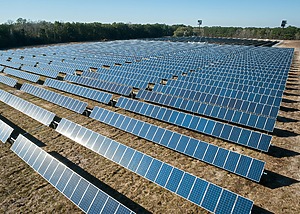
Expect solar panel demand to be driven by data center and semiconductor supply chain companies. Photo Credit: American Public Power Association on Unsplash 

Malaysia’s largest solar developer is rushing to accelerate project timelines as the war in Iran drives up fossil fuel prices and makes renewables more attractive for industry, data centers, and semiconductor supply chains. The firm plans about 1.3 GW (GigaWatt) of new solar in 2026 and at least 5 GW by the end of 2028, including large plants for grid operator Tenaga Nasional from 2027, while lobbying regulators to cut typical build times from 18–24 months to as little as 12–16 months. Solarvest CEO Davis Chong expects fossil-fuel-based power bills to climb further in late 2026, even as solar panel and battery prices remain stable or fall thanks to unaffected Chinese supply routes and improving project returns. 

***

Further reading: Malaysia’s biggest solar firm sees jump in demand amid Iran war


LinkedIn
For the latest updates, visit our LinkedIn page

South Korea plans to use the Iran crisis to spur a renewables revolution

South Korea’s “solar income village” program aims to reach 2,500 villages by 2030. Photo Credit: Quang Nguyen Vinh

South Korea is using the current energy crisis to accelerate renewables, such as community solar, through its “solar income villages” scheme, like in Guyang-ri, where panel profits fund free lunches, transport, and social facilities. South Korea President Lee Jae Myung is pouring extra money and cheap loans into solar and grid upgrades and framing fossil fuel dependence as a national security risk. 

Still, big problems remain: congested grids, Kepco’s artificially low power prices, heavy reliance on cheap Chinese panels, and political reluctance to fully confront coal and fossil subsidies. 

However, environmental groups say the government is talking up a clean energy revolution while still propping up coal plants and capping oil prices, warning that the current crisis is a rare opening for real change in South Korea’s energy and power market.

***

Further reading: How South Korea plans to use the Iran crisis to spur a renewables revolution


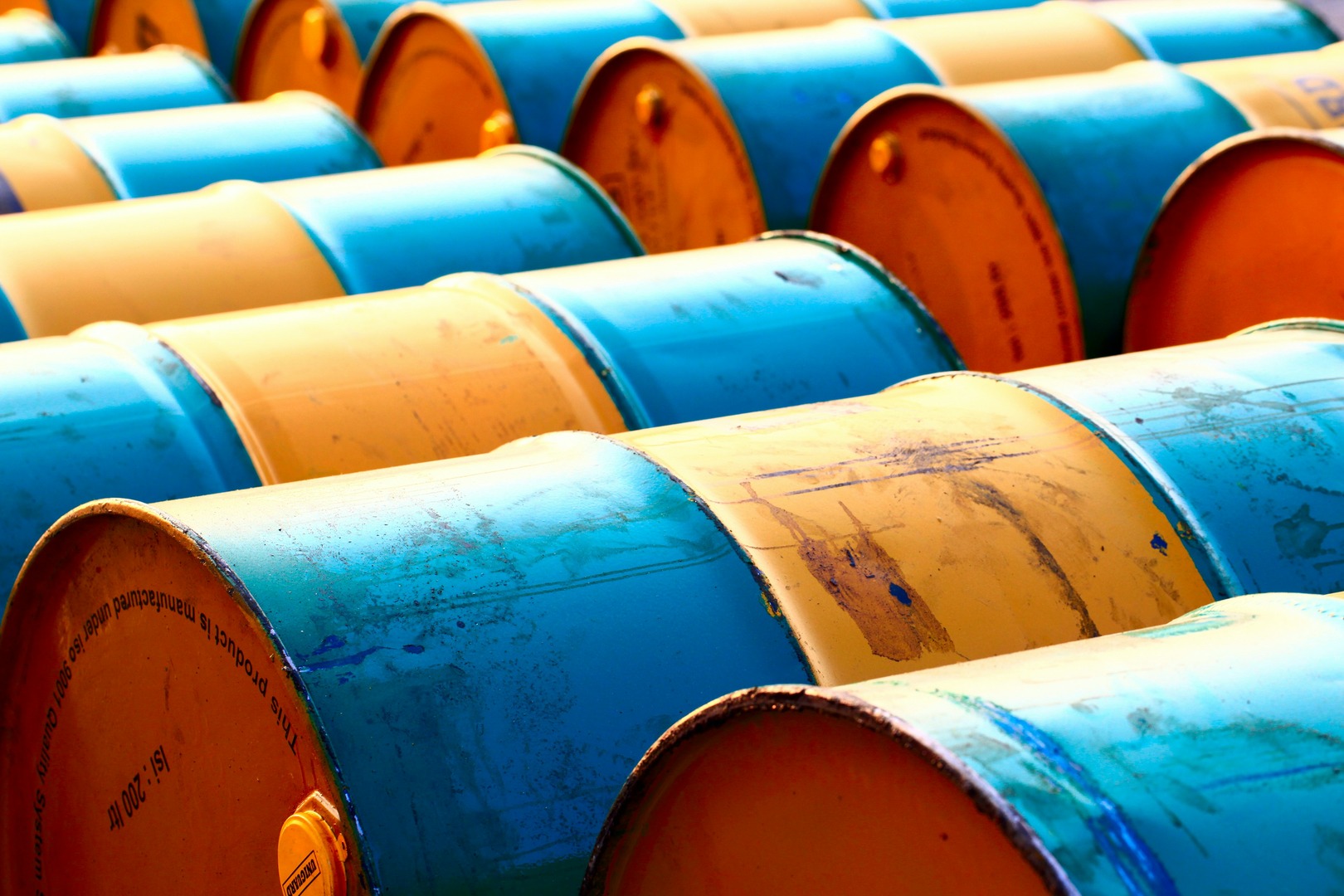
Editor’s Note: The opinions expressed here by the authors are their own, not those of impakter.com — In the Cover Photo: Yellow and blue oil barrels. Cover Photo Credit: Atik Sulianami on Unsplash 

Tags: climate policiesenergyOilsolar energy
Previous Post

Khanna Proposes to Ban US Gasoline Exports

Related Posts

ESG news regarding Khanna proposing a ban on US gasoline exports, plastic supply chain crisis sparking shift to sustainable packaging, Cuba eying renewable future to bypass energy blockade, and NAACP taking legal action against xAI.
ESG News

Khanna Proposes to Ban US Gasoline Exports

April 15, 2026
ESG news regarding Suniva’s $350 million solar manufacturing expansion in South Carolina, rising US demand for domestically produced clean energy components, and policy-driven shifts supporting local supply chains in the solar industry.
ESG News

Suniva to Invest $350 Million in South Carolina Plant

April 15, 2026
ESG news regarding European Commission proposing new financial support to combat energy price surges, UK new plan to manage renewable power surpluses, Western Australia launching strategic diesel reserve to bolster fuel security, and Asian stocks jumping as hopes for US-Iran ceasefire rise.
ESG News

EU Proposes State Aid to Offset Rising Energy Costs

April 14, 2026

Related News

ESG news on US crude oil exports, Singapore calling for energy collaboration, and Malaysia and South Korea accelerating their respective energy transitions with solar.

US Nears First Net Crude Exporter Status Since WWII

April 16, 2026
ESG news regarding Khanna proposing a ban on US gasoline exports, plastic supply chain crisis sparking shift to sustainable packaging, Cuba eying renewable future to bypass energy blockade, and NAACP taking legal action against xAI.

Khanna Proposes to Ban US Gasoline Exports

April 15, 2026

Impakter informs you through the ESG news site and empowers your business CSRD compliance and ESG compliance with its Klimado SaaS ESG assessment tool marketplace that can be found on: www.klimado.com

Registered Office Address

Klimado GmbH
Niddastrasse 63,

60329, Frankfurt am Main, Germany


IMPAKTER is a Klimado GmbH website

Impakter is a publication that is identified by the following International Standard Serial Number (ISSN) is the following 2515-9569 (Printed) and 2515-9577 (online – Website).


Office Hours - Monday to Friday

9.30am - 5.00pm CEST


Email

stories [at] impakter.com

By Audience

  • TECH
    • Start-up
    • AI & MACHINE LEARNING
    • Green Tech
  • ENVIRONMENT
    • Biodiversity
    • Energy
    • Circular Economy
    • Climate Change
  • INDUSTRY NEWS
    • Entertainment
    • Food and Agriculture
    • Health
    • Politics & Foreign Affairs
    • Philanthropy
    • Science
    • Sport
    • Editorial Series

ESG/Finance Daily

  • ESG News
  • Sustainable Finance
  • Business

About Us

  • Team
  • Partners
  • Write for Impakter
  • Contact Us
  • Privacy Policy

© 2026 IMPAKTER. All rights reserved.

No Result
View All Result
  • Environment
    • Biodiversity
    • Climate Change
    • Circular Economy
    • Energy
  • FINANCE
    • ESG News
    • Sustainable Finance
    • Business
  • TECH
    • Start-up
    • AI & Machine Learning
    • Green Tech
  • Industry News
    • Entertainment
    • Food and Agriculture
    • Health
    • Politics & Foreign Affairs
    • Philanthropy
    • Science
    • Sport
  • Editorial Series
    • SDGs Series
    • Shape Your Future
    • Sustainable Cities
      • Copenhagen
      • San Francisco
      • Seattle
      • Sydney
  • About us
    • Our Story
    • Team
    • Partners
    • Write for Impakter
    • Contact Us
    • Privacy Policy

© 2026 IMPAKTER. All rights reserved.