Today’s ESG Updates
- Oil Prices Rise on Peace Talk Uncertainty: Oil markets remain volatile as US–Iran negotiations stall and supply disruptions continue through key shipping routes.
- World Bank Launches Global Water Initiative: The World Bank launches “Water Forward” to expand access to safe water for over 1 billion people amid rising global water stress.
- Iran War Exposes Asia’s Fossil Fuel Dependence: LNG and oil disruptions highlight the risks of fossil fuel reliance across Asia, increasing costs and boosting renewable adoption pressure.
- Stellantis to End Car Production in France: Stellantis will halt vehicle production at its Poissy plant by 2029 amid overcapacity and slowing European auto demand.
Oil prices rise on uncertainty over US–Iran peace talks
Oil prices rose as markets reacted to uncertainty around U.S.–Iran peace talks, with traders doubtful that negotiations would quickly restore stability to disrupted energy flows. The conflict has severely impacted the Strait of Hormuz, a key route for global oil and LNG shipments, tightening global supply. Although diplomatic efforts continue, analysts warn that intermittent ceasefire signals and renewed tensions are keeping markets volatile. Falling U.S. inventories have added further upward pressure on prices. The situation highlights how geopolitical risk in the Middle East continues to drive global energy insecurity and short-term price fluctuations across crude and fuel markets.
***
Further reading: Oil prices rise on doubts US-Iran peace talks will ease Hormuz disruption
Klimado – Navigating climate complexity just got easier. Klimado offers a user-friendly platform for tracking local and global environmental shifts, making it an essential tool for climate-aware individuals and organizations.
World Bank launches ‘Water Forward’ to tackle global water stress
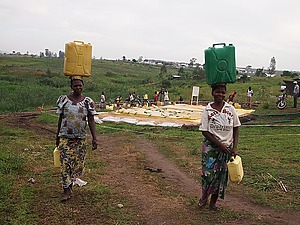
The World Bank and major development lenders have launched the “Water Forward” initiative to improve water access for over 1 billion people within four years. The program aims to boost investment in water infrastructure and encourage governments to treat water as a strategic economic resource. It will focus on reducing urban water loss, improving irrigation, and expanding wastewater reuse across water-stressed regions. With global freshwater demand expected to exceed supply by up to 40% by 2030, the initiative seeks to address growing climate pressures, infrastructure gaps, and the lack of safe water and sanitation affecting billions worldwide.
***
Further reading: World Bank launches ‘Water Forward’ programme to tackle global water stress

Iran war highlights Asia’s costly fossil fuel dependence
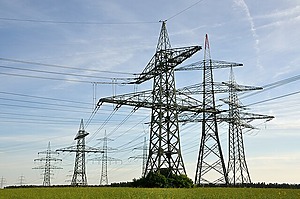
The Iran war has exposed the economic risks of Asia’s reliance on imported fossil fuels, with countries like Bangladesh facing soaring energy costs while Pakistan benefits from increased solar adoption. Disruptions in LNG supply through the Strait of Hormuz have forced Bangladesh to purchase expensive spot cargoes, straining its economy. In contrast, Pakistan’s shift toward renewables has reduced its exposure to global price shocks. The crisis highlights the vulnerability of import-dependent economies and strengthens the case for accelerating clean energy transitions to improve energy security and reduce the financial impact of future supply disruptions.
***
Further reading: Iran war exposes cost of Asia’s fossil fuel reliance
Related Articles
Here is a list of articles selected by our Editorial Board that have gained significant interest from the public:
Stellantis to end car production at Poissy plant by 2029
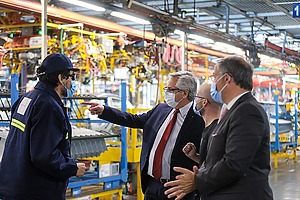
Stellantis has announced it will halt car production at its Poissy plant near Paris by 2029 as part of efforts to reduce excess manufacturing capacity in Europe. The site currently produces Jeep and Peugeot models but has faced declining output and weak recovery in European car sales. The decision reflects broader pressures on the automaker, including competition from low-cost Chinese manufacturers and a slower-than-expected shift to electric vehicles, which has already contributed to major financial write-downs. After production ends, the plant will continue limited operations such as parts manufacturing and recycling-related activities, with a reduced workforce.
***
Further reading: Stellantis to halt car assembly at France’s Poissy plant by 2029
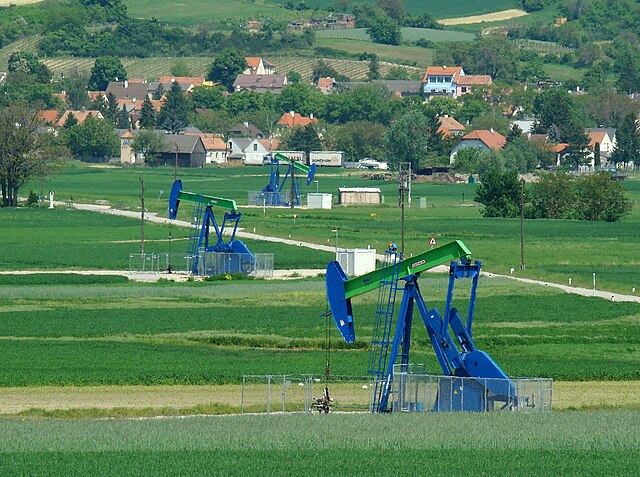
Editor’s Note: The opinions expressed here by the authors are their own, not those of impakter.com — In the Cover Photo: oil pump jack. Cover Photo Credit: Wikimedia Commons