Today’s ESG Updates
- EU Funds Clean Heat: The EU awarded €400 million to 65 projects to accelerate industrial heat decarbonisation across Europe.
- Russia Warns Armenia: Moscow said Armenia could lose discounted gas prices if it shifts toward the EU.
- UK Water Outages Grow: Supply failures in Kent and Sussex renewed scrutiny of South East Water’s infrastructure and management.
- Santos Cuts Costs: Santos will refocus on core LNG and oil assets to reduce debt amid higher global energy prices.
EU awards €400m to 65 clean heat projects
The European Commission selected 65 projects to receive nearly €400 million ($465 million) under the first Innovation Fund Heat Auction to accelerate clean heat technologies. The initiative is financed by the EU’s Innovation Fund, which is funded by revenues raised through the EU Emissions Trading System (EU ETS). The auction attracted 85 applicants in total. The selected projects range in size from 3 MWth to 45 MWth. Grant awards for individual projects range from €444,000 to €37.1 million. The funding will support projects across 10 European Economic Area countries: Austria, Belgium, Czechia, Denmark, France, Germany, Hungary, Portugal, Slovenia, and Spain.
The selected projects are projected to avoid more than 6.6 million tons of CO2 emissions over 10 years and to produce around 16.3 TWh of decarbonized heat over their first 5 years of operation. The clean heat produced will replace over 1.5 billion cubic meters of natural gas, roughly equivalent to the annual gas consumption of 4 million EU households.
The European Climate, Infrastructure and Environment Executive Agency (CINEA) will prepare grant agreements expected to be signed in the second half of 2026. Selected projects must reach financial close within two years of signing and begin operations within four years.
***
Further reading: EU Commission Awards €400 Million to Industrial Heat Decarbonization Projects
Klimado – Navigating climate complexity just got easier. Klimado offers a user-friendly platform for tracking local and global environmental shifts, making it an essential tool for climate-aware individuals and organizations.
Moscow warns Armenia of gas price hikes if it deserts Russian blocs
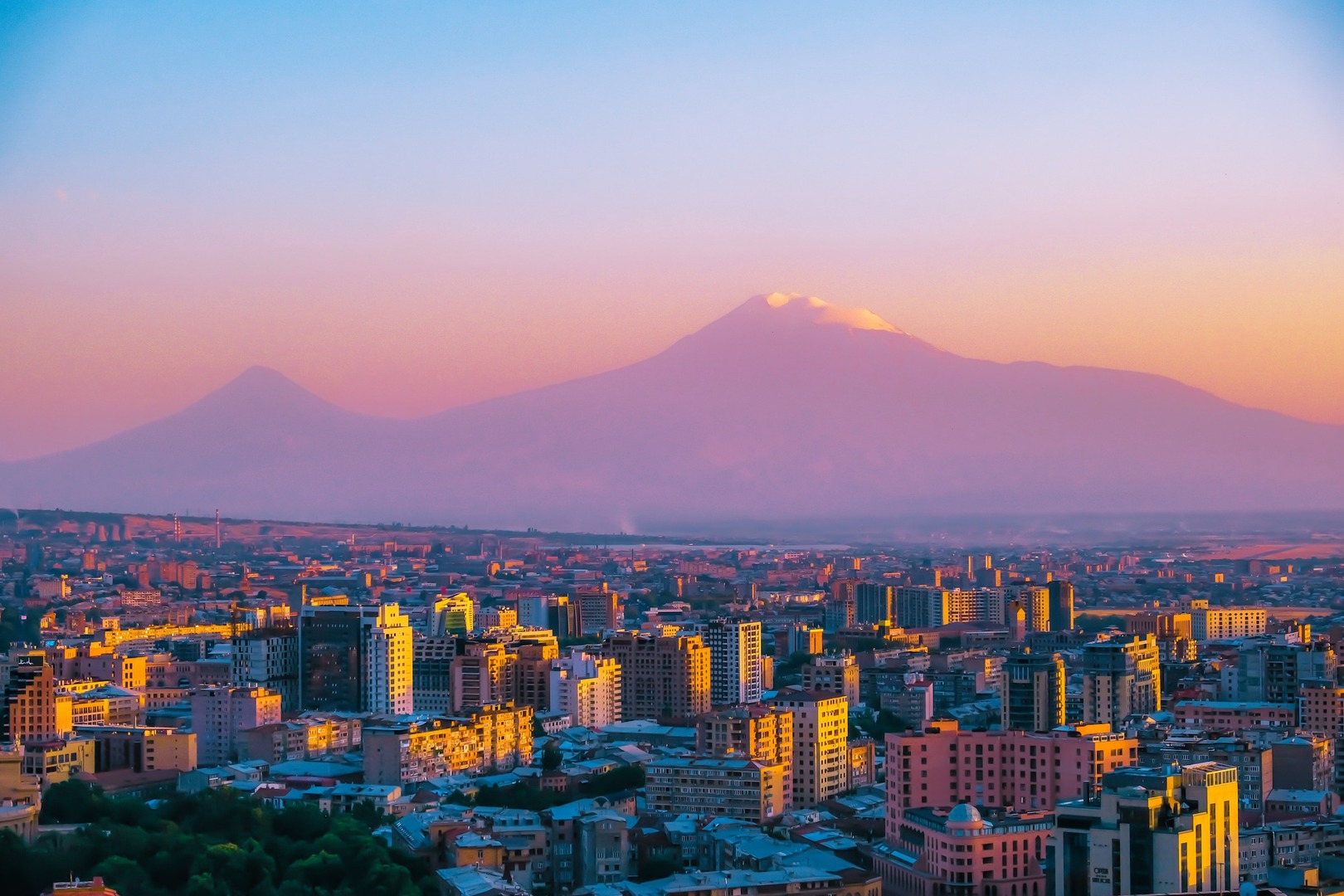
The Kremlin stated that Armenia could lose its preferential price for Russian gas if it turns away from integration with Russia. Armenia is heavily dependent on Russian energy and is currently part of a Russian-led economic union, but it has sought deeper ties with the European Union, including passing a law last year to launch its EU accession process. Kremlin spokesperson Dmitry Peskov noted that market-based pricing structures apply to participants outside of Russia’s integration frameworks. Yerevan pays $177.50 per 1,000 cubic meters of Russian gas, compared to over $600 in Europe.
Armenian Foreign Minister Ararat Mirzoyan stated that Armenia has no interest in severing political and economic ties with Russia and wants to preserve and deepen normal relations.
***
Further reading: Russia says Armenia could lose cheap gas if it turns away, ahead of Rubio visit
Related Articles
Here is a list of articles selected by our Editorial Board that have gained significant interest from the public:
Hundreds of homes without water in Kent and Sussex after South East Water outages

Hundreds of homes in Kent and Sussex have been left without water following supply outages that began on Saturday and peaked on Sunday. South East Water blamed a combination of increased demand driven by recent hot weather and a technical failure at a pumping station near Charing, which left the company struggling to pump water to properties on higher ground. The worst-affected areas were the Kent villages of Charing, Challock, and Molash, where about 800 properties were without water on Sunday, with around 250 remaining impacted on Monday.
A committee of MPs accused South East Water’s senior executives of incompetence this month over repeated outages, leading to the announced departure of the chief executive officer and the resignation of the group’s chair. South East Water faces a £22 million fine from the industry regulator, Ofwat, over serious supply disruptions spanning many years.
British per capita daily water usage averages roughly 142 to 150 liters per person, which is one of the highest rates in Europe. The government aims to cut water use in England by 20% per person per day by 2038 and to reduce average daily consumption to 110 liters per person by 2050.
***
Further reading: Hundreds of homes in Kent and Sussex left without water after supply outages

Santos refocuses on key regions to cut costs amid global energy crunch
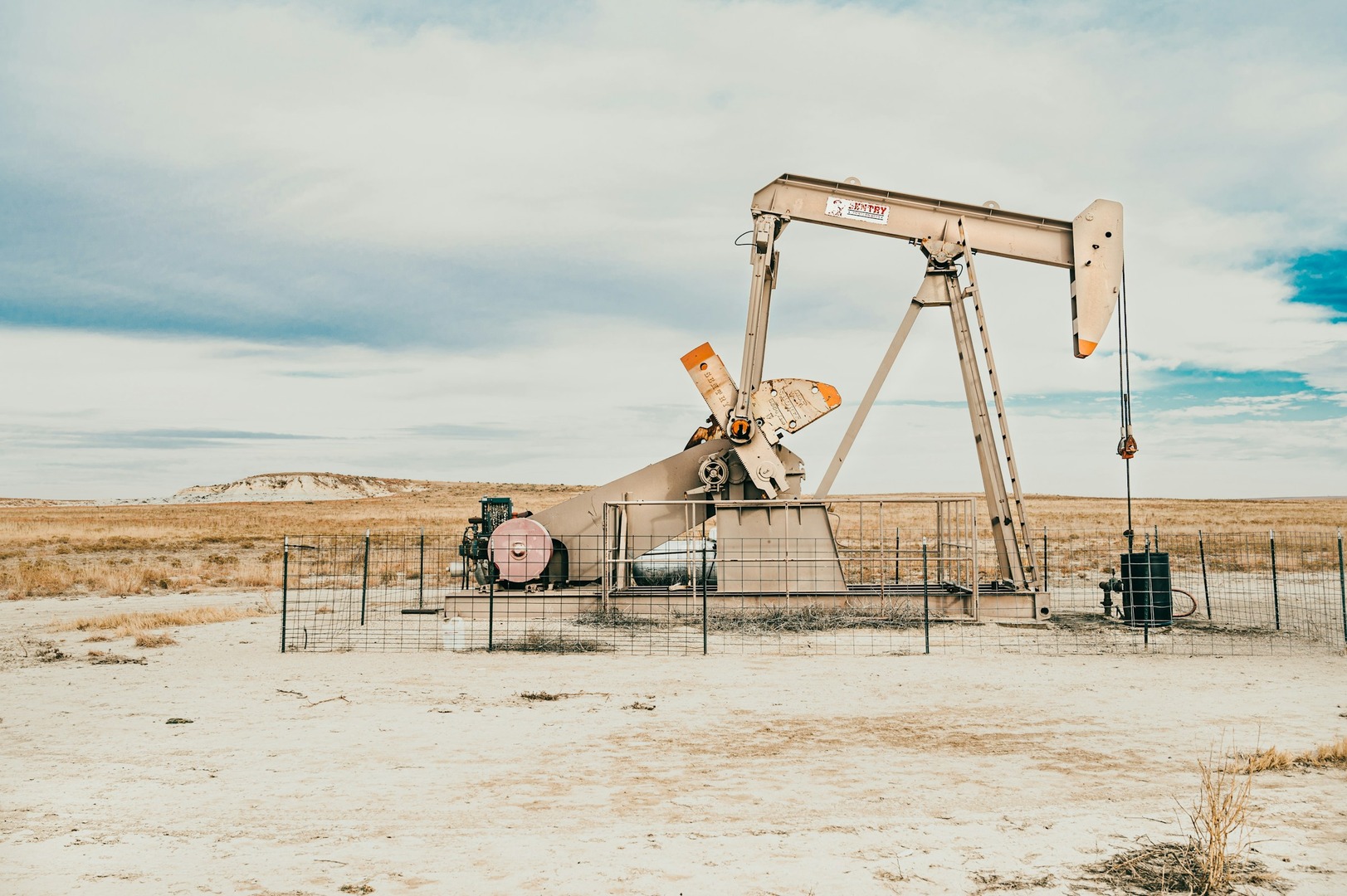
Santos announced a new strategy to focus on boosting LNG and oil production across three core regions, including Alaska and Papua New Guinea, while leveraging existing tier-1 basin infrastructure. The strategic changes occur amid a surge in crude oil and liquefied natural gas prices, driven by the Middle East conflict that has shut the Strait of Hormuz and damaged regional energy infrastructure. The company will focus its investment on the Moomba Central Fields in Australia’s Cooper Basin while deprioritizing other parts of the region.
The shift in Cooper Basin investments is expected to reduce expenses by $300 million annually for three years starting from 2027, and by $150 million annually thereafter. The new measures are aimed at reducing Santos’s net debt by around $2.5 billion by 2030 and cutting annual interest by about $150 million.
***
Further reading: Australia’s Santos plans to boost LNG, oil production while lowering debt
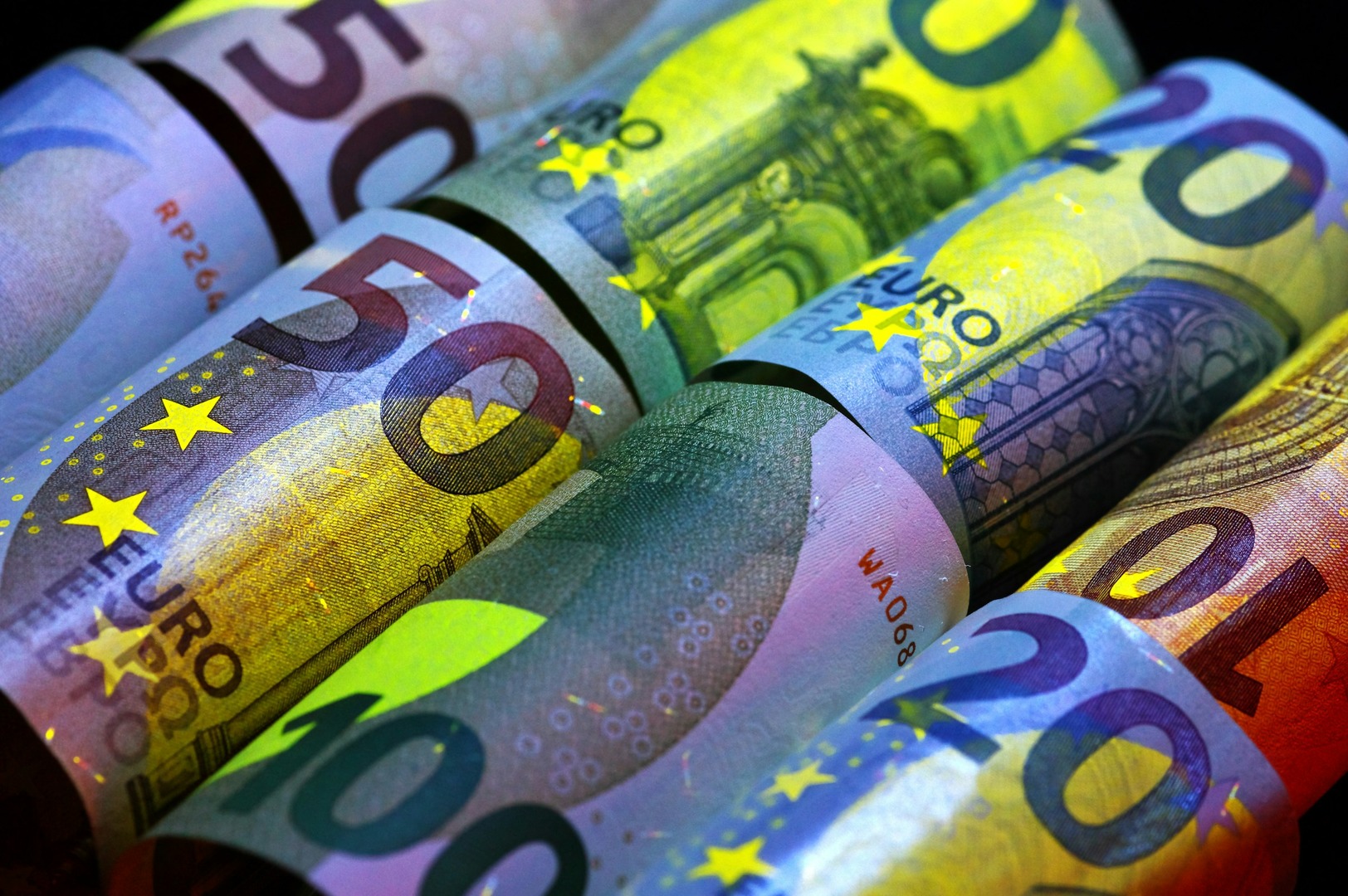
Editor’s Note: The opinions expressed here by the authors are their own, not those of impakter.com — In the Cover Photo: Rolled EU banknotes in various denominations. Cover Photo Credit: Immo Wegmann