Today’s ESG Updates
- Khanna Proposes US Gasoline Export Ban: California congressman plans legislation to restrict gasoline exports during price spikes linked to the Iran conflict to lower US fuel costs, alongside a proposed windfall tax on oil profits.
- Plastic Shortages Drive Shift to Green Packaging: Petrochemical disruptions from the Iran war are pushing plastic prices higher and accelerating demand for paper-based and sustainable packaging alternatives across Asia.
- Cuba Targets Renewable Energy Expansion: Cuba is pursuing large-scale solar, wind, and bioenergy investments to reduce dependence on imported oil and stabilize its struggling electricity grid.
- NAACP Sues xAI Over Gas Turbine Pollution: The NAACP alleges xAI illegally operated gas turbines in Mississippi without permits, causing significant emissions and violating environmental laws.
Khanna proposes a ban on U.S. gasoline exports
Ro Khanna, a congressman from California, plans to introduce a bill to ban U.S. gasoline exports during price spikes, keeping more fuel in the U.S. to lower domestic prices. The reason behind the proposed ban is the US-Israeli war on Iran, which has caused the largest-ever fuel supply disruption, according to the International Energy Agency. This week, crude oil costs over $100 per barrel, and U.S. gasoline prices are above $4 per gallon. According to Khanna, exports would be banned when the average U.S. gasoline price exceeds $3.12 per gallon.
The U.S. became a net gasoline exporter in the 2010s and, in 2024, the world’s largest exporter. However, the proposal is unlikely to pass Congress. Meanwhile, oil companies are benefiting significantly from the crisis, with an estimated $63 billion in additional profits. Khanna has also proposed a windfall tax on these profits to fund rebates sent to U.S. taxpayers, particularly as prices have climbed above $6.50 per gallon in California. He stated that the war is costing about $1 billion per day, contributing to higher living costs, and said the situation highlights the need to invest in renewable energy to reduce dependence on fossil fuel markets.
***
Further reading: Democrat Ro Khanna to introduce bill to stop US gasoline exports amid Iran war
Klimado – Navigating climate complexity just got easier. Klimado offers a user-friendly platform for tracking local and global environmental shifts, making it an essential tool for climate-aware individuals and organizations.
Plastic supply chain crisis sparks shift to sustainable packaging

The Iran war has disrupted the flow of petrochemical raw materials, driving plastic prices to roughly four-year highs and threatening shortages of essential items like packaging trays and bags. To cope with this issue, companies are pivoting to “eco-friendly” options, such as paper-based packaging. Yonwoo, a South Korean cosmetics packaging maker, reported a threefold increase in inquiries for paper-based options.
China, Japan, South Korea, and Southeast Asia account for nearly one-third of global plastic use. While some suppliers of sustainable materials are seeing renewed interest from US customers, other manufacturers are struggling. For example, Gaone International, a South Korean company, has reduced daily output to between 10% and 20% of its usual 1 million units due to material shortages.
***
Further reading: Iran war promises green edge for Asia as plastic packaging runs short
Related Articles
Here is a list of articles selected by our Editorial Board that have gained significant interest from the public:
Cuba eyes renewable future to bypass energy blockade

Cuba could overcome the U.S. energy blockade with major investment in renewables, with $8 billion potentially supplying 93.4% of Cuba’s electricity needs. For less than $20 billion, Cuba could achieve a fully renewable electricity grid.
Since January, Cuba has received only one oil shipment (from Russia) after Donald Trump threatened tariffs on countries supplying Cuba’s oil. By March, Cuba’s national grid collapsed, affecting its 10 million people, causing blackouts and halting hospitals and transport.
Cuba has already added 1,000MW of solar capacity in the past year with Chinese support. Cuba’s most ambitious plan includes generating three-quarters of electricity from solar, with a fifth from wind and the remainder from hydropower and bioenergy. A cheaper plan relies more on bioenergy and wind.
***
Further reading: Cuba could beat US energy blockade with $8bn investment in renewables, says thinktank

NAACP takes legal action against xAI over unpermitted Mississippi turbines
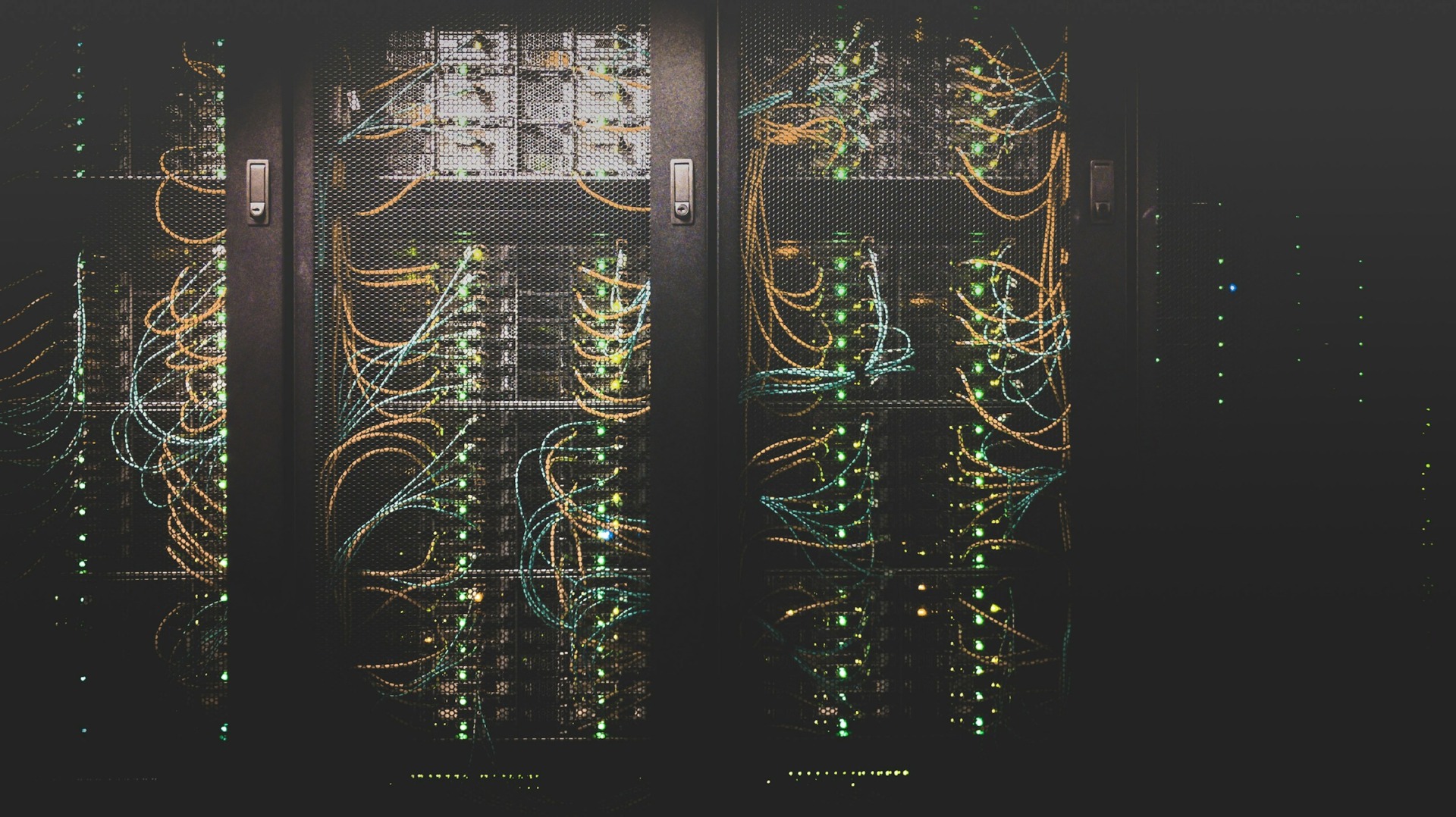
The NAACP, National Association for the Advancement of Colored People, sued Musk’s xAI and its subsidiary MZX Tech. The lawsuit claims they illegally operated 27 gas-fired turbines in Mississippi without proper permits, violating the Clean Air Act. The turbines power the Colossus 2 data center, part of a project that cost over $20 billion.
The NAACP had first announced its intent to sue in February, following the required 60-day notice period. That same month, Mississippi regulators held a public hearing with only a few days’ notice and later approved permits. The environmental concerns caused by the power plant include emitting more than 1,700 tons of nitrogen oxides (NOx), 180 tons of fine particulate matter, 500 tons of carbon monoxide, and 19 tons of cancer-causing formaldehyde.
***
Further reading: NAACP sues Musk’s xAI, alleging illegal operation of gas turbines
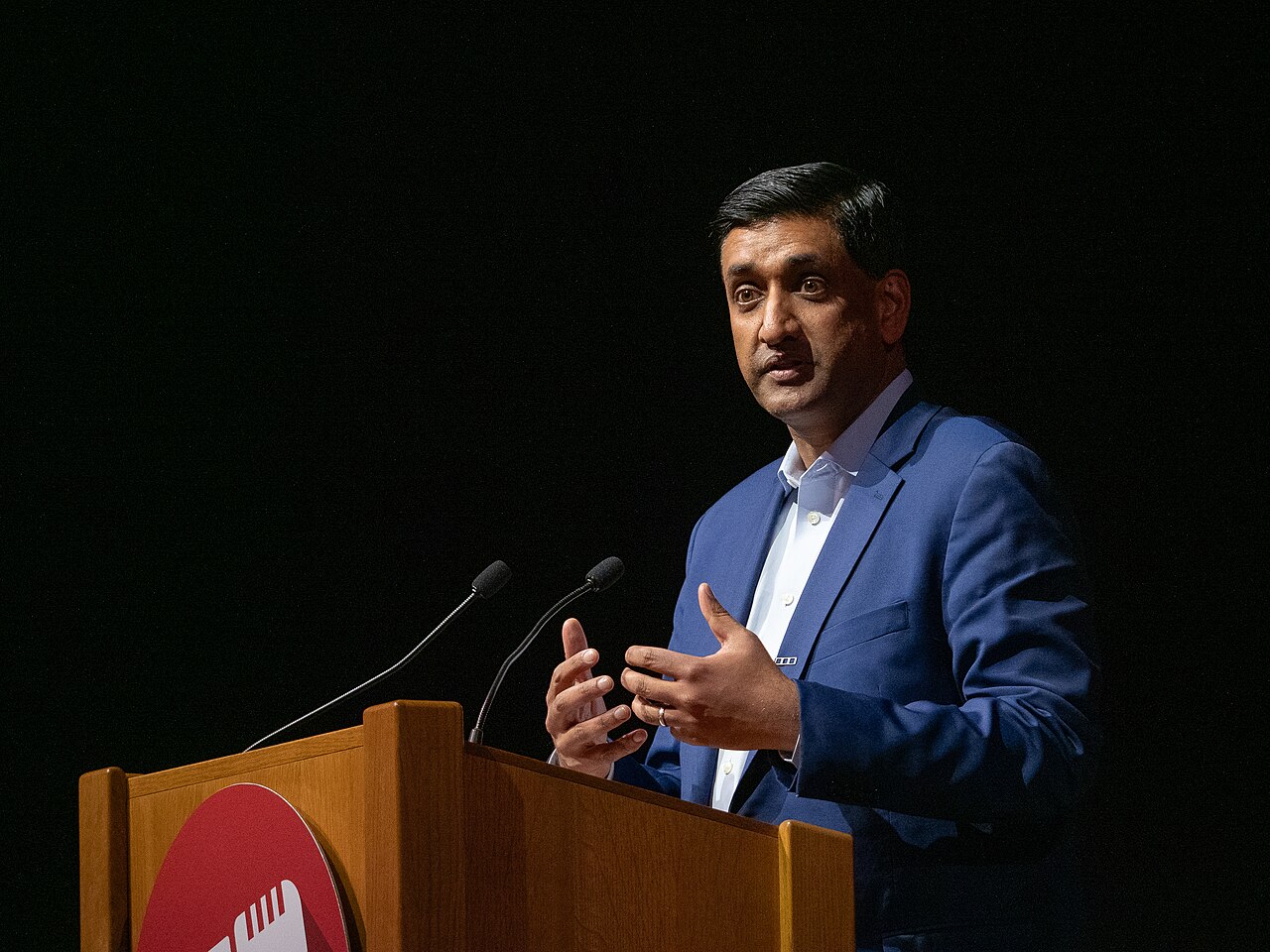
Editor’s Note: The opinions expressed here by the authors are their own, not those of impakter.com — In the Cover Photo: Congressman Ro Khanna speaking at a student Q&A at Stanford University. Cover Photo Credit: Wikimedia Commons