The World Meteorological Organization (WMO) released its “State of the Global Climate 2023” report this week, with information from the UN Food and Agriculture Organization (FAO) Climate Risks team. It’s a chilling read — a graphic demonstration of runaway climate change and its impacts.
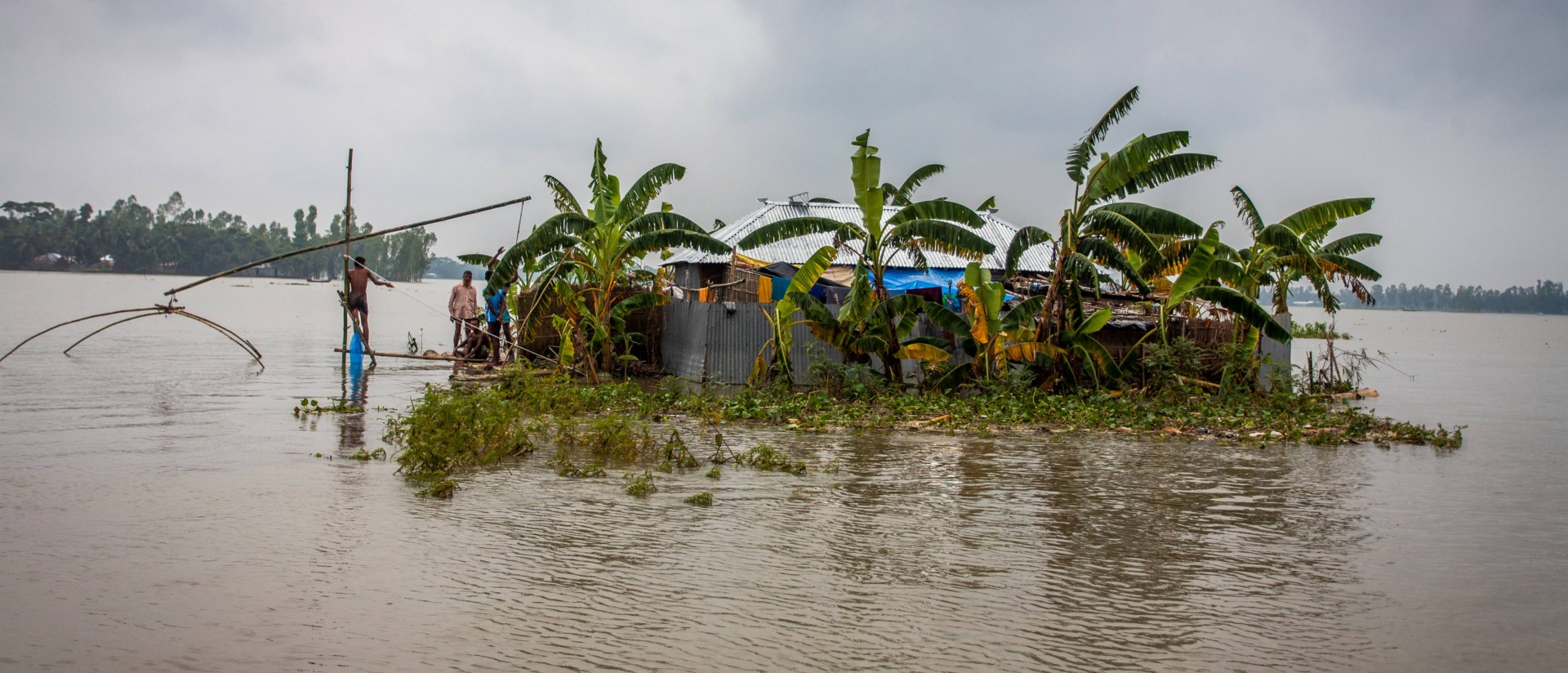
The year 2023 broke records, but for all the wrong reasons. Many countries experienced heatwaves and wildfires, droughts, and flooding rains, in greater numbers and intensity than ever before. The impact often on the most vulnerable was dramatic. Extreme weather events worsened food and water shortages and environmental degradation, forcing millions of people to take to the road to survive.
There are 333 million people who are acutely food insecure, more than double the number before the COVID-19 pandemic.
These records matter. We can’t just passively observe the changing climate. Reversing this trend will require major investments in solutions that can help countries and communities build resilience, reduce greenhouse gas (GHG) emissions, and protect lives and livelihoods all at once.
Nowhere are these solutions more abundant and impactful than in agriculture and food systems. More sustainable and efficient farming and agriculture hold a huge potential for positive climate action. FAO is working with countries to develop and implement these solutions, including: agroforestry; restoring degraded agricultural land; supporting better soil and water management; developing more resilient crop varieties, efficient biofertilizers, and sustainable biofuels; and reducing food loss and waste, among many others.
We have hard evidence from the field of how effective these can be.
In El Salvador, for example, the FAO-led RECLIMA project helps communities replenish water sources and improve food production by restoring degraded lands and planting native fruit trees. In 2022, more than 13,000 hectares of critical ecosystems had been restored. And we estimate the project has already reduced around 2.3 million tonnes of carbon dioxide equivalent (CO2e).
In Senegal, FAO and other partners are working to restore degraded mangroves, threatened by rising sea levels and a growing demand for smoked fish. The project is regenerating land and replanting large areas of mangroves, while also training communities to rethink how they utilize and conserve these biodiverse environments.
Related Articles: How Does Climate Change Affect Agriculture? | Building Resilient Climate Smart Agricultural Systems For Smallholder Farmers | Farmer Reaps the Benefit of Embracing Conservation Agriculture
FAO’s climate and weather information services are also practical and cost-effective tools, assisting adaptation to the effects of climate change. Translating scientific data available worldwide into accessible information, they improve farm management from farm to fork. Farmers and other agricultural producers can access short-term and seasonal weather forecasts to help decide in advance which crops to plant in the next season, whether and when to apply fertilizer and irrigate, and how to sell products in a more strategic way. All this builds resilience while also improving the quality and quantity of food produced and sold at market, and minimizing food loss and waste along the production process.
Collaborating since 2016, FAO and the Green Climate Fund (GCF) have significantly increased investment in projects in low-income countries (LICs) and middle-income countries (MICs), enhancing the sustainability and resilience of agriculture, forestry, and fisheries sectors to climate change, with a portfolio surpassing USD 1 billion.
Similarly, as a partner agency for the Global Environment Facility (GEF), FAO has helped more than 120 countries in projects that deliver global environmental benefits and advance the SDGs. The partnership supports countries to sustainably manage millions of hectares of land and reduce GHG emissions by over of CO2e, bringing real benefits in terms of green jobs and livelihoods.
But even though the array of solutions offered by agrifood systems have been tried and tested, they have not so far been implemented at a scale that matches their potential. Finance is not flowing towards the solutions that can make a real difference and deliver multiple benefits for climate resilience and food security.
Global climate-related finance for development has increased over the last decade, but financial support to agrifood systems is small and diminishing. As the WMO report also mentions, adaptation finance falls well short of the estimated USD 212 billion per year needed up to 2030 in developing countries alone. The majority of this is directed to the water and wastewater sector, while agriculture and other sectors with wide-ranging adaptation potential continue to receive only a minimal share.
We need to close this financing gap. We need to scale up the solutions that bring multiple benefits, building resilience, mitigating emissions, and achieving food security. The potential for agrifood solutions in the face of an increasingly unpredictable future is enormous. The alternative, continuing to watch as climate extremes and weather events break records, is simply unacceptable.
** **
 This article was originally published by the International Institute for Sustainable Development (IISD) and is republished here as part of an editorial collaboration with the IISD. It was authored by Kaveh Zahedi, Director of the FAO Office of Climate Change, Biodiversity and Environment.
Editor’s Note: The opinions expressed here by the authors are their own, not those of Impakter.com — Cover Photo Credit: © FAO/Fahad Kaizer.