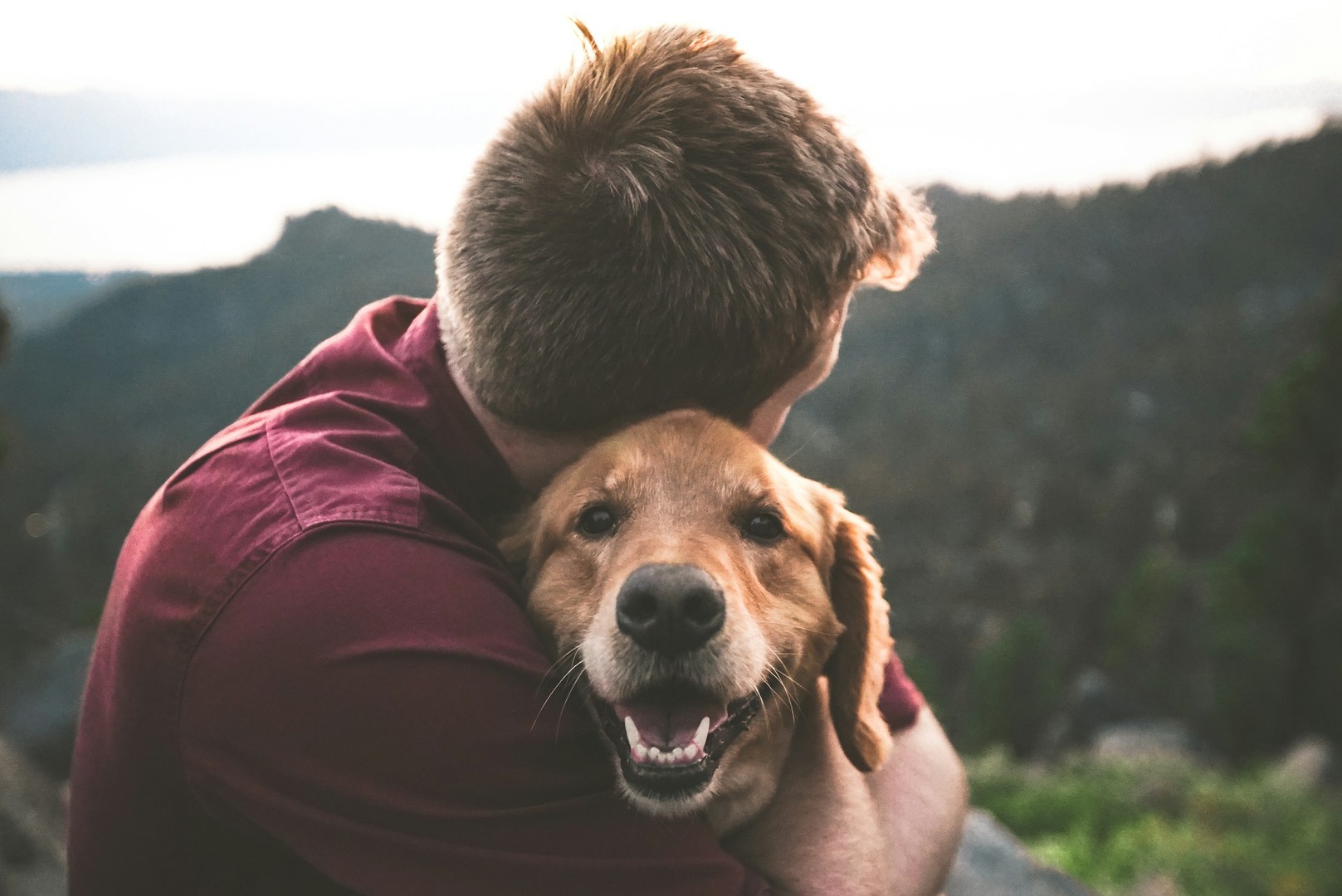
The sustainable-minded among us are diligent about the way we treat the environment. We make efforts to recycle, use environmentally friendly products, and make as low of a carbon footprint as possible.
But did you know that your pets also play a role in the environment? That’s right. As little as they are, you should make an effort to ensure that the way you handle your pets doesn’t cause environmental damage. There are several things you can do to ensure this.
And if yo want to understand more about your pet’s natural tendencies overall, you should consider getting a dog or cat dna test kit. It could reveal a lot that will help you figure out how to manage your pet appropriately.
Manage waste responsibly
Responsible waste management is an absolute must with pets. It might seem like a minor issue compared to those involving humans, but a closer look at the facts reveals the true extent of the problem. In fact, animal waste can cause a lot of environmental damage if you are not careful about it.
Problems caused by waste
Believe it or not, pet waste can cumulatively add up, and it can be more of a contributor to environmental problems than you might think. In fact, it is estimated that just two days’ worth of waste from 100 dogs can produce enough bacteria to close 20 miles of watersheds.
Indeed, the nitrogen and phosphorus in animal feces can be harmful to water, waste can become a pathogen source, and it can carry diseases that can even affect humans. Feces can carry e. coli, salmonella, and other extremely harmful bacteria. It can also degrade soil due to its high acidity levels, and the plastics of poop baggies can contribute to landfill problems. So it pays to properly dispose of your pets’ waste.
What you can do
If you’re not fully aware of what you can do to better manage pet waste, here are some points:
- Use compostable bags. This is an easy way to target the plastics issue. You can easily find bags that are biodegradable and specifically designed for dog waste. They are convenient and will make a big difference.
- Refrain from flushing standard cat litter. Believe it or not, cat waste can be significantly different from ours, and it can carry dangerous parasites that are not fit for sewage systems. Try to find eco-friendly litters made from things like wood pellets or recycled paper as these materials are biodegradable.
- Do not compost dog or cat waste. This is something that probably also sounds like a good idea, but one that can be very dangerous for similar reasons to those mentioned above. Animal feces carry pathogens that can be harmful to the soil in your garden.
Educate yourself about animal nutrition
Another thing you should do that is beneficial not only to your pet’s health, but also to the environment is be mindful about pet nutrition. This means several things:
- Be careful about portion size. If you feed your pet too much, it will not only suffer health problems but also involve excessive resource utilization. Think carefully about how much your pet needs, and provide exactly the recommended proportions. This will also save you money.
- Be careful about the type of meat that you choose. Believe it or not, pet meats vary widely in their carbon footprints. “Wet” meats, for example, are not great for the environment. Lower-impact meats include chicken or even plant substitutes.
- Buy in bulk so that you can minimize the amount of packaging consumption you contribute to.
Choose sustainable toys
Yes, this too is a thing. Toys are largely made from plastics and other potentially harmful materials, after all, and they can be contributors to environmental damage. To create the lowest possible footprint from your pet’s toys, try the following:
- Buy toys made from natural materials. Believe it or not, there are some really great toys out there made from organic cotton, bamboo, and other sustainable materials (in fact, even more ingenuity often goes into these toys as they tend not to be mass produced like plastic ones).
- Be responsible about what you do with unwanted items. You can find worthy beneficiaries of your pet items just as you can for your own stuff. There are shelters out there that could use your used beds, leashes, etc.
- Consider repurposing household items. Pets LOVE tennis balls, for example. You can also create fun ropes out of knotting together old tshirts, socks, etc. Use your imagination.
Remember eco-friendly grooming
Even grooming can be eco-friendly. Try to choose natural shampoos for your pet made from biodegradable ingredients, and try to avoid the use of synthetic chemicals. Also, you should make an effort to bathe your pet only as much as is necessary so as to avoid excessive water usage.
When it comes to cleaning up after your pet, be sure to choose DIY cleaners that don’t include toxic materials. Try things like baking soda and vinegar.
Every little bit helps
Trying to save the environment is a monumental task, indeed. But we each have to do our part, and this includes taking care of our pets responsibly. If we all join the fight together, we should see some progress eventually!
Editor’s Note: The opinions expressed here by the authors are their own, not those of Impakter.com — In the Cover Photo: How to treat your pet Cover Photo Credit: Eric Ward