Large-scale operations and downtime go hand in hand when industrial facilities lack adequate care. In fact, unplanned downtime remains one of the biggest threats facing the manufacturing industry today. From expansive production spaces to the constant handling of equipment and raw materials, even minor oversights can turn into huge operational losses.
Many companies overlook how important cleaning for industrial facilities is until it begins to affect productivity and safety. The floors, ceilings, and other areas require varying degrees of cleaning attention. So the actions you take can lead to planned or unplanned downtime. With this post, you’ll learn how to minimize downtime on the production floor.
The Real Cost of Downtime
In the production line, every minute counts. Inactive operations can result in lost output, delayed orders, and potentially high costs. Regardless of the industry type, disruptions, no matter how short, can ripple through the entire supply chain.
If poorly coordinated, cleaning can interrupt workflows. It can also create bottlenecks, delay shift transitions, and increase labor costs.
Minimizing Downtime in Manufacturing
Use Tools to Quickly Identify and Resolve Production Issues
Many industrial facilities have systems that analyze and interpret data. You don’t have to wait for something to go wrong. With such systems, you can identify potential issues and fix them immediately. This leads to less time spent on downtime and improves overall efficiency.
Staff and management get alerts of upcoming equipment failures. Production stays up and running when you have more influence over downtimes.
One thing you can add to this is predictive analytics. They will help you detect patterns in real-time machine data that could lead to a problem. Also, data analytics keep you prepared ahead of time. You’ll have adequate information weeks before an incident occurs.
When you have that knowledge, maintenance schedules become easy to manage. The result is reduced downtime and chances of the issues recurring.
Use Automation When You Can
Are there tasks you find repetitive? Staff might be prone to human error with such tasks. Automation is the best alternative to cut out errors and reduce downtime. You’ll also be boosting the efficiency of the production process by automating those repetitive tasks.
Further, your staff gets more time to focus on more profitable tasks. You can also use the spare time to refine their skills, which means more profits for your company. Staff morale will improve when you treat them as your most valuable resource.
Smart Cleaning Schedule
Timing is one of the first rules of minimizing downtime. With cleaning, it’s even more important to get things right. You can do that with a smart schedule that works around production.
For example, there’s no need to treat cleaning like a separate activity. Align it with production cycles. During shift changes, you can clean during handovers, when machines are on pause.
Further, take advantage of off-peak hours. Use this time to schedule a deep cleaning. The demands will be very low at such times. Besides, you can save time by combining cleaning with routine servicing. Cleaning doesn’t have to change the course or routine of your facility.
Don’t Compromise on Safety Standards and Procedures
Speed and all the procedures matter. But you should not achieve them by sacrificing safety standards. In some industries, regulatory standards must be followed, especially when cleaning sensitive areas.
The key is balancing everything. First, use approved and licensed cleaning services that understand your facility. Ensure they can perform their tasks and conduct post-cleaning inspections where necessary.
Effective cleaning and maintenance should meet every safety and compliance requirement.
Conclusion
Large-scale cleaning is an effective way to handle manufacturing plants and production. However, it doesn’t have to disrupt production. With the right plans and logistics, your facility will record fewer interruptions and downtimes.
By combining the right tools, schedules, and equipment, you can achieve a clean and safe facility. Staying prepared will save you time, cost, and productivity. In the end, you want a production floor that’s clean and running.
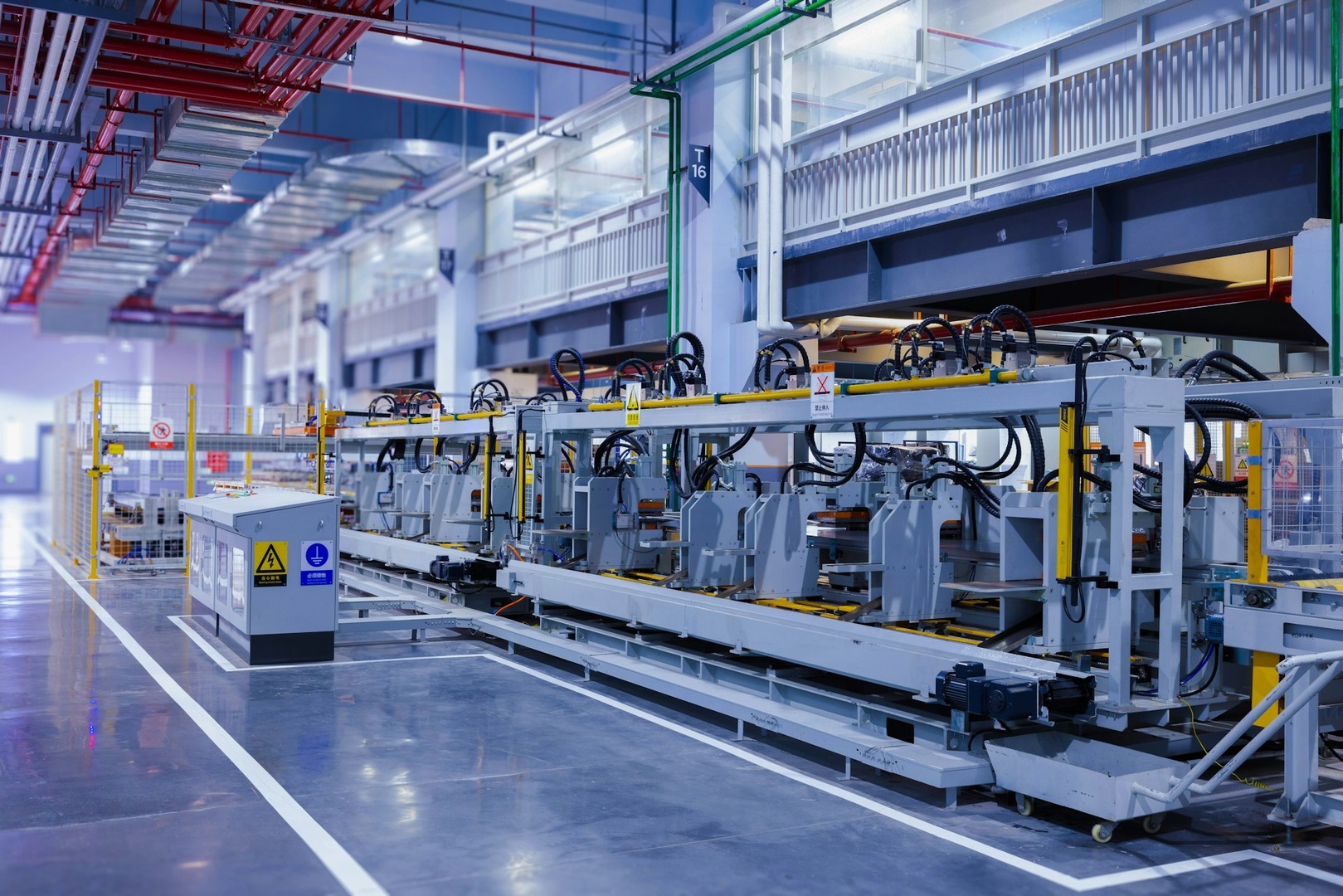
Editor’s Note: The opinions expressed here by the authors are their own, not those of Impakter.com — In the Featured Photo: Large scale cleaning operation on a industrial floor where refrigirators are manufactured. Featured Photo Credit: Homa Appliances