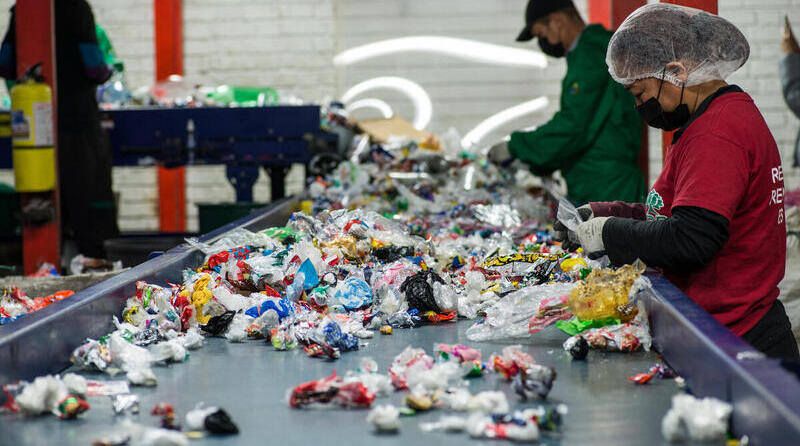
For decades, the economics of plastic have been tightly linked to oil. Virgin plastic is produced from petrochemical feedstocks such as ethane and naphtha, meaning its cost rises and falls with fossil fuel markets. When oil prices were low and stable, especially during much of the 2015-2020 period, virgin resin was often so inexpensive that recycled plastic struggled to compete on price alone.
That dynamic suppressed demand for recycled resins and constrained investment in collection, sorting, and processing infrastructure. Collection during the pandemic also became difficult, driving up recycled content prices, and even putting many recyclers out of business. This moment represents a rare alignment of market forces, policy pressure, and consumer expectations — one that could allow recycled plastic and the infrastructure that supports it to finally have its long-anticipated day in the sun.
Today, with oil prices fluctuating and trending higher, the calculus is changing. Virgin polyethylene (PE), polypropylene (PP), and PET prices are rising and becoming more volatile, eroding the historical price advantage of newly produced plastic. This creates a rare opening for recycled resins to compete not just on sustainability, but on economics. Virgin plastic has always had an advantage with petroleum subsidies offered by most countries, putting recyclers at a distinct disadvantage to the multi-billion-dollar petrochemical industry players.
Recycled plastic, by contrast, has a different cost structure. Its expenses are driven less by energy inputs and more by collection systems, sorting technology, contamination rates, transportation logistics, and processing efficiency. When virgin resin prices were depressed, buyers, particularly consumer goods brands and packaging manufacturers, often opted for cheaper virgin material rather than paying a premium for recycled content.
The Oil–Plastic Price Link Is Back in Focus
Now, as oil prices fluctuate and remain elevated relative to past lows, virgin resin prices are rising and becoming more volatile. This volatility reduces predictability for manufacturers and opens a window for recycled resins to become not only environmentally preferable, but economically competitive. In some cases, recycled content may offer price stability if supported by long-term supply contracts and regional infrastructure. This means that recycled plastic is no longer simply a sustainability play — it is increasingly a strategic hedge.
Globally, the plastics market exceeds 400 million metric tons of production annually, with more than 98% of virgin plastic being derived from fossil fuels. Even a small percentage shift toward recycled content represents tens of millions of tons of demand. When virgin resin prices increase by even 10–20%, the impact cascades across packaging, consumer goods, automotive, and construction sectors.
The Paradox of Underused Recycling Capacity
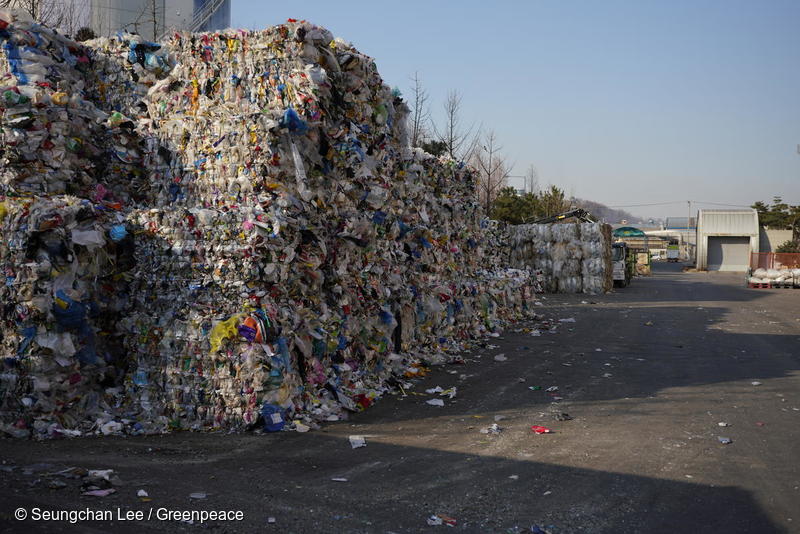
One of the most overlooked realities in today’s market is that significant recycling capacity already exists, but it remains underutilized. Over the past decade, public and private investment has flowed into recycling facilities, including mechanical recycling plants and emerging advanced (chemical) recycling technologies. These investments were often justified by ambitious corporate sustainability pledges and regulatory targets.
When oil prices dropped and virgin resin prices followed suit, many recycling facilities struggled to operate at full capacity. In several markets, facilities have been running 30-40% below optimal throughput because brands were reluctant to pay a premium for recycled content, and long-term offtake agreements were insufficient to guarantee demand.
Capacity use has even fallen in the past year few years, ironically, as the world has been trying to create a UN Plastic Treaty framework to reduce plastic pollution. This is also due to pricing abnormalities as global circular economies for recycled material processing have been constrained due to fears in the trade of “waste” as opposed to valuable feedstock, thus creating an unintended consequence of increased incineration or waste-to-energy, instead of facing high local wage costs in the developed world to do the processing.
Without the demand from brands, legislated recycled content targets, and willingness to pay for their sustainability objectives, recycled plastic had no momentum to gain market traction.
The irony is stark, as while policymakers and NGOs highlight the need for more recycling infrastructure, significant capacity already exists but has been economically sidelined. Now, with rising oil prices pushing up virgin resin costs, that dormant or underused capacity can become a powerful asset.
Instead of waiting years to permit and build new plants, markets can immediately scale production by increasing utilization rates at facilities that are already built and commissioned. This is not a greenfield opportunity, but a brownfield optimization opportunity.
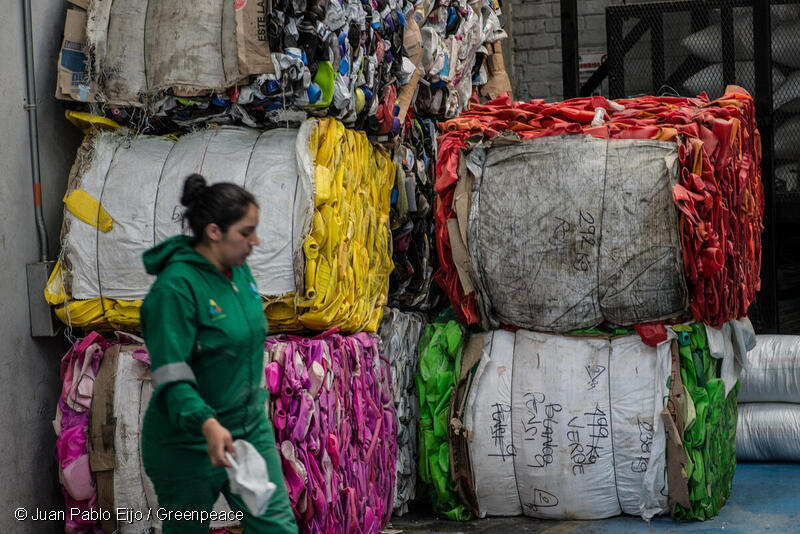
This shift in pricing alters the conversation in procurement departments. Recycled resin now becomes a viable tool for reducing exposure to fossil fuel price volatility and helps to meet growing regulatory recycled content mandates. It also demonstrates tangible climate and circularity progress, while differentiating products in a sustainability-conscious marketplace.
As a brand, use of recycled content with long-term supply agreements can provide greater price predictability compared to spot-market virgin resin purchases, which are tied to oil benchmarks. This stability has real financial value in an era of macroeconomic uncertainty.
Despite many brands’ bold sustainability commitments, such as pledges to use 25% or more recycled content in packaging, procurement teams often prioritized cost over circularity. These unmet commitments equate to over 6,000,000 tons of recycled content annually which is not being provided, due to both price excuses, and lack of developed global circular supply chains.
Instead of waiting years to build new plants, the market can scale output quickly by increasing throughput at facilities that are already built and permitted, and this opportunity should be grasped while the chance exists. Once a brand finds the supply chains for recycled content that meet their objectives and sustainability pledges, returning to the “old way” and use of unsustainable materials will be harder to stomach, both internally, and publically.
This will, in turn, bring increased certainty and higher value to the programs and collectors which recover plastic feedstock, resulting in larger scale plastic pollution reductions in our communities.
Policy Tailwinds Strengthen the Business Case
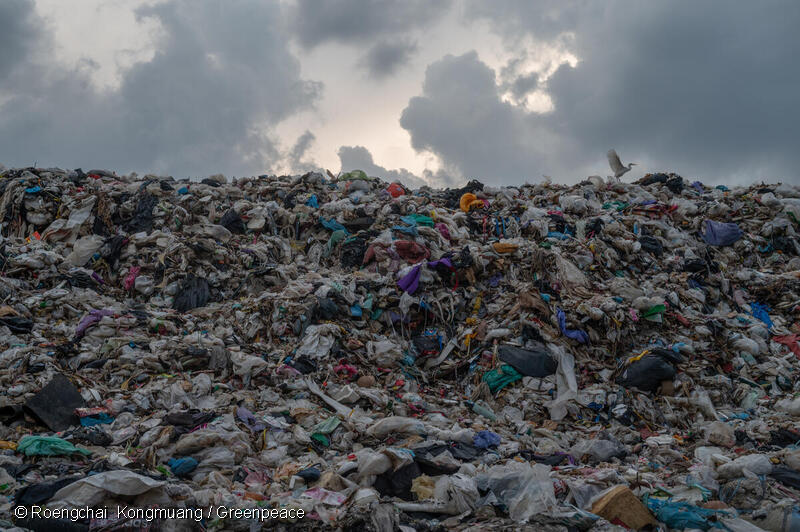
Market forces are converging with regulation, particularly with a UN Plastic Treaty being negotiated, and this will happen regardless of its early agreed-upon outcomes. Many jurisdictions are introducing recycled content mandates, plastic packaging taxes, and extended producer responsibility (EPR) frameworks. These policies raise the cost of relying solely on virgin resin and create structural demand for recycled material.
At the same time, overall global recycling rates for plastic remain surprisingly low, estimated at roughly 9–10% worldwide. That gap between production and recycling underscores the scale of opportunity. Increasing recycled content does not require reinventing the plastics economy; it requires scaling systems that already exist. Early adopters can secure supply contracts and partnerships while prices and capacity remain relatively favorable.
Infrastructure: The Critical Enabler
Recycled plastic depends on a network of collection systems, materials recovery facilities, washing lines, and pelletizing operations. Much of this infrastructure is already in place. What it has lacked is consistent demand strong enough to justify full utilization and further investment.
If buyers commit to higher volumes of recycled content, processors can increase throughput and improve economies of scale. Investment in advanced sorting and contamination reduction allows for production of higher-quality, food-grade recycled resins, with regional expansion to shorten supply chains. Demand stability unlocks efficiency, and efficiency drives cost competitiveness.
Related Articles
Here is a list of articles selected by our Editorial Board that have gained significant interest from the public:
From Cost Premium to Competitive Alternative
This moment may be cyclical, but the longer it lasts, the more potential there is for the recovery of plastic for recycling, and even for the creation of pyrolysis oil or other circular feedstocks, which can help to address shortages of fossil-based petrochemical raw materials, particularly in Asia.
Oil prices may fall again, and new virgin resin capacity could enter the market, but once many users make the jump to recycled content, the momentum to stay with second-life plastic will be a strong one. If the recycling sector fails to capitalize on today’s pricing environment, it risks losing out on the biggest opportunity to gain traction and market share seen in decades.
None of us working on reducing plastic pollution want to see a repeat of the familiar boom-and-bust pattern where recycled plastic is tied to fossil fuel markets.These pricing signals do not eliminate the need for policy or consumer advocacy, but it does mean that market forces are no longer working against recycling economics.
Right now, the alignment is compelling, helped by rising, volatile prices and restricted supplies, along with underused global recycling capacity which can be quickly activated. Growing consumer and investor scrutiny means that recycled plastic’s choice as an ethical option need not come at a premium, and in fact, it now may become a critical, strategic choice, and one that offers resilience, cost competitiveness, and environmental benefit at the same time. After decades in the shadow of cheap fossil fuels, recycled plastic may finally be approaching its day in the sun.
** **
This article was originally published by the Ocean Recovery Alliance and is republished here as part of an editorial collaboration with the Ocean Recovery Alliance.
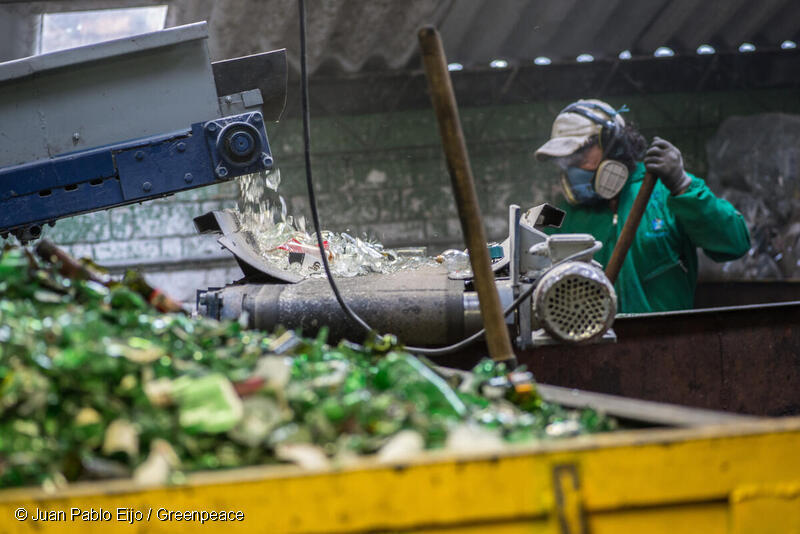
Editor’s Note: The opinions expressed here by the authors are their own, not those of impakter.com — In the Cover Photo: Waste management and recycling in Bogotá, Colombia, May 17, 2023. Cover Photo Credit: © Juan Pablo Eijo / Greenpeace