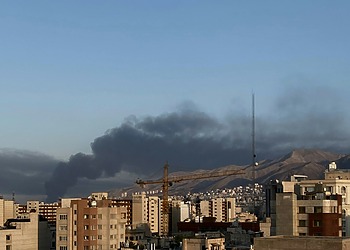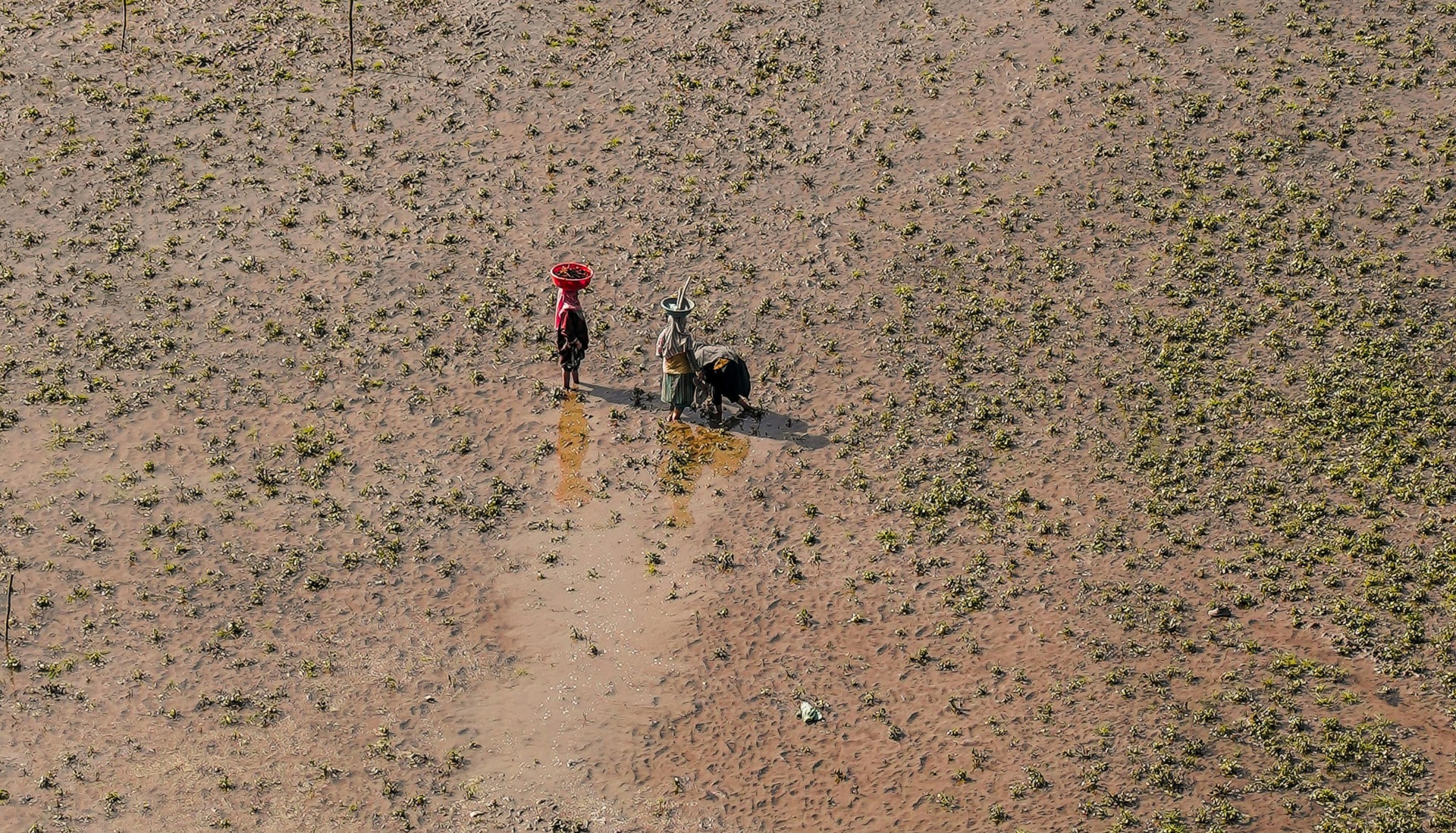
Humanity’s long-term water usage and damage have exceeded nature’s renewal and safe limits, a situation scientists and the media have in time past warned us about and termed a “crisis.” But a new United Nations (UN) report tells us that the word “crisis” no longer an accurately describes of the situation at hand because the term “water crisis” implies that the situation is reversible. The water situation has now been deemed irreversible by the UN.
According to the report, called “Global Water Bankruptcy: Living Beyond Our Hydrological Means in the Post-Crisis Era” and published in January by the United Nations University Institute for Water, Environment and Health (UNU-INWEH), the planet has entered an era of “global water bankruptcy,” a condition in which humanity is depleting and degrading freshwater systems faster than they can recover.
In financial terms, bankruptcy occurs when spending consistently exceeds income, leaving lasting damage. Applied to water, the concept signals something similar — an overshoot of Earth’s hydrological limits caused by over-extraction, pollution, climate change and other factors.
While partial recovery is possible, the report warns that many water systems have crossed thresholds that make full restoration unlikely, a global water system operating in permanent deficit.
What Does “Water Bankruptcy” Mean?
The UNU-INWEH report argues that traditional terms such as “water stress” or “water crisis” suggest temporary imbalance or reversible damage. Water bankruptcy, by contrast, describes a long-term structural condition, one in which natural freshwater assets are being liquidated without the possibility of full recovery.
“Water systems are being overdrawn like a bank account with no savings left,” the report states, warning that many rivers, lakes, aquifers and wetlands have crossed ecological thresholds. In other words, water is being withdrawn faster than ecosystems can replenish it.
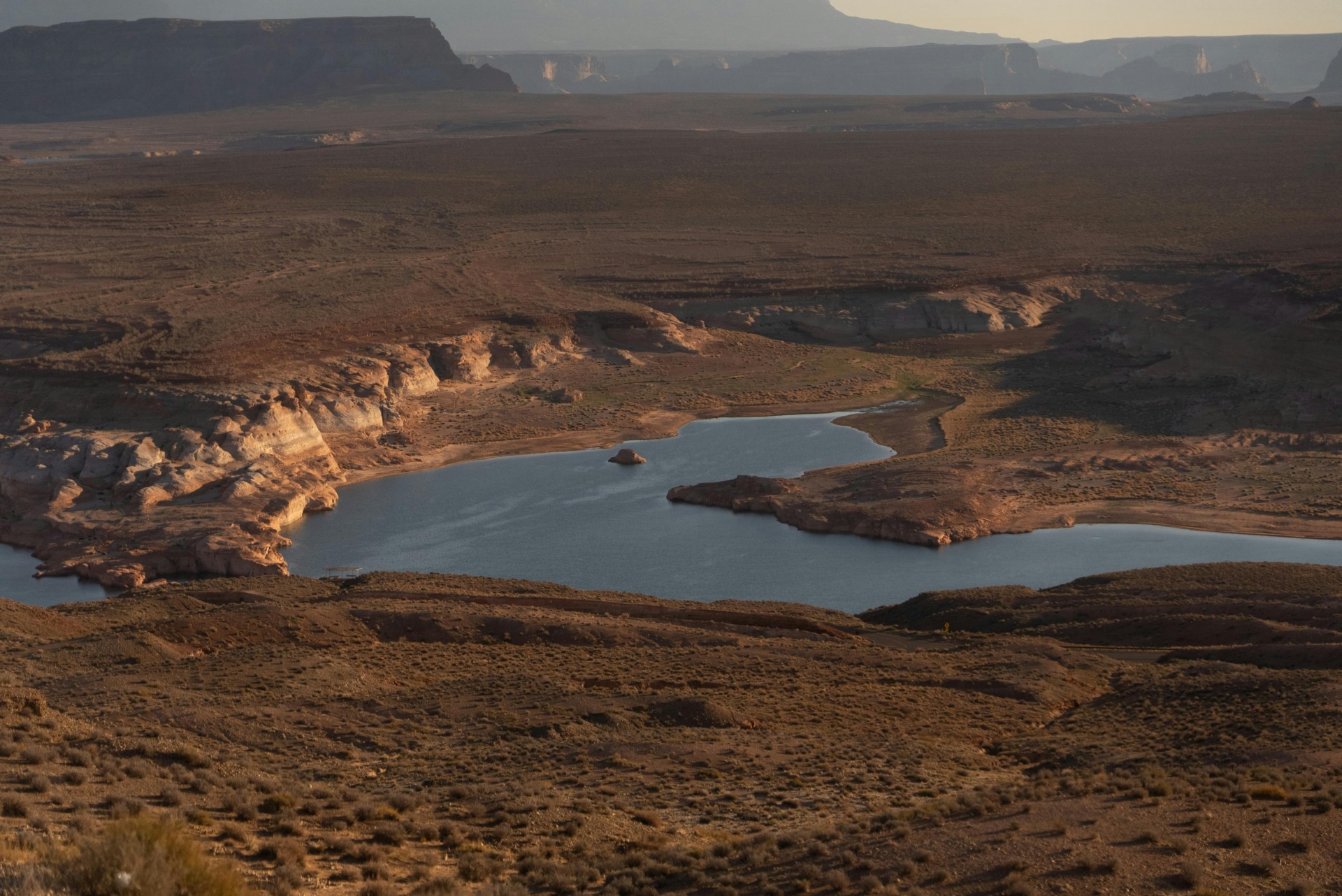
The scale of degradation is striking. Roughly half of the world’s large lakes have experienced declining water levels since the 1990s. Groundwater, which supplies about half of global drinking water, is being depleted faster than it can recharge in most major aquifers. Wetlands, which act as natural water filters and buffers against floods, have declined by more than 35% globally since 1970.
Glaciers, another critical water reserve, are also shrinking rapidly, reducing long-term freshwater security for downstream populations. These losses are occurring alongside rising demand from agriculture, industry and expanding cities.
More than two billion people still lack access to safely managed drinking water, while around four billion experience severe water scarcity for at least part of the year, according to data highlighted in the report.
How the Crisis Became Permanent
Water bankruptcy is not the result of a single factor. Rather, it is the cumulative outcome of interlinked pressures.
Climate change is intensifying droughts, altering rainfall patterns and accelerating glacier melt. Population growth and urbanization are driving higher water demand, often in regions already under stress. Agriculture, which accounts for about 70% of global freshwater withdrawals, remains heavily dependent on inefficient irrigation systems.
Pollution further reduces usable supply. Industrial discharge, untreated wastewater and agricultural runoff contaminate rivers and aquifers, effectively shrinking available freshwater reserves.
But the report emphasizes governance as a central failure. Water is often undervalued, poorly regulated and politically sensitive. In many regions, groundwater extraction remains largely unmonitored, allowing short-term gains to override long-term sustainability.
The result is a global system that continues to function, for now, by drawing down natural capital.
Why Water Bankruptcy Matters Beyond the Environment
The implications of global water bankruptcy extend far beyond ecosystems.
Food security is among the most immediate concerns. As water shortages affect irrigation, crop yields become more volatile, threatening global supply chains and driving up food prices. Regions that serve as agricultural breadbaskets are already experiencing declining groundwater levels and more frequent heat extremes.
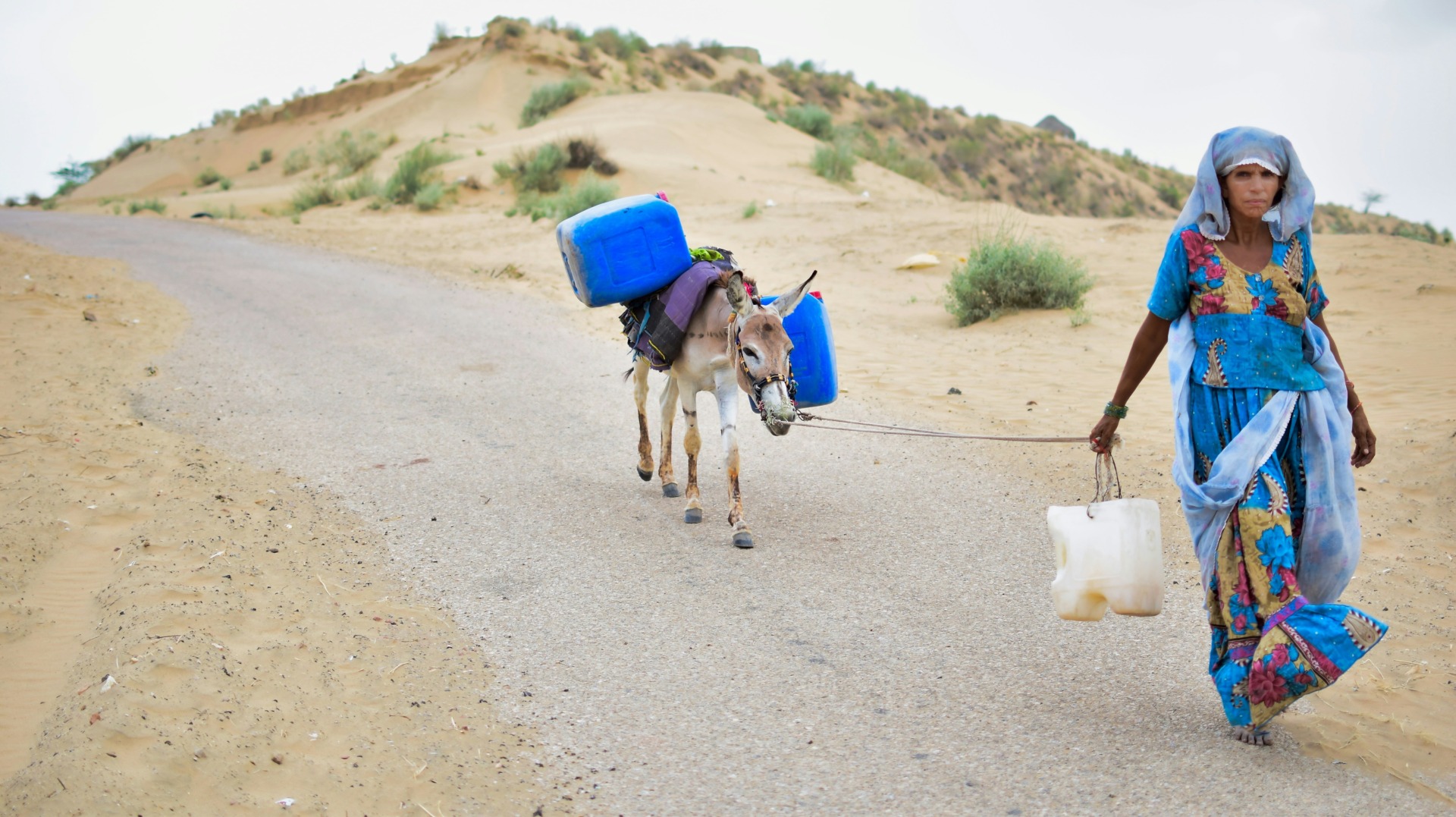
Public health is also at risk. Limited access to clean water and sanitation increases the spread of waterborne diseases, particularly in low-income and densely populated areas. Women and girls are often disproportionately affected, bearing the burden of water collection and facing heightened safety risks.

Economically, water scarcity imposes massive costs through reduced productivity, infrastructure damage and disaster response. Politically, competition over water resources can exacerbate tensions within and between countries, particularly in transboundary river basins.
As the UN reports, water insecurity is increasingly linked to migration, conflict risk and inequality.
From Crisis Response to Bankruptcy Management
Rather than focusing on technical fixes, the “Global Water Bankruptcy” report urges a fundamental rethink of water governance and management.
The authors argue that bankruptcy requires management, not denial. That means prioritizing damage control, protecting remaining water assets and restoring natural systems where possible.
One recommendation is transparent water accounting, tracking withdrawals, pollution and ecological losses with the same rigor applied to financial budgets. Another is investing in “natural infrastructure,” such as wetlands and healthy soils, which store and regulate water more effectively than many engineered systems.
Equity is also central. Any transition away from over-extraction must protect vulnerable communities, including smallholder farmers, informal settlements and Indigenous populations, who often contribute least to the problem yet face the greatest risks.
The report urges governments to treat water as a strategic asset tied to climate action, food systems and economic planning, rather than a standalone sector.
Related Articles
Here is a list of articles selected by our Editorial Board that have gained significant interest from the public:
What Happens Next?
The declaration of global water bankruptcy arrives ahead of key international moments, including upcoming UN water conference. Whether the framing reshapes policy remains uncertain.
What is clear, the authors argue, is that incremental change will no longer suffice. Continuing to manage water as though current patterns are sustainable risks locking in irreversible damage.
As ABC News notes, water bankruptcy does not mean the world has run out of water but it does mean humanity is running out of time to change how it uses it.
Editor’s Note: The opinions expressed here by the authors are their own, not those of impakter.com — Cover Photo Credit: Syed Qaarif Andrabi