Impakter
  • Environment
    • Biodiversity
    • Climate Change
    • Circular Economy
    • Energy
  • FINANCE
    • ESG News
    • Sustainable Finance
    • Business
  • TECH
    • Start-up
    • AI & Machine Learning
    • Green Tech
  • Industry News
    • Entertainment
    • Food and Agriculture
    • Health
    • Politics & Foreign Affairs
    • Philanthropy
    • Science
    • Sport
  • Editorial Series
    • SDGs Series
    • Shape Your Future
    • Sustainable Cities
      • Copenhagen
      • San Francisco
      • Seattle
      • Sydney
  • About us
    • Company
    • Team
    • Partners
    • Write for Impakter
    • Contact Us
    • Privacy Policy
No Result
View All Result
Impakter logo
No Result
View All Result
Fashion ‘SlowDown’ Mission

Fashion ‘SlowDown’ Mission

Jessica Saade - Columnist & Communications OfficerbyJessica Saade - Columnist & Communications Officer
September 26, 2018
in Fashion, SDG Series, Style, Sustainable Cities, Sydney, Uncategorized
2

Young consumers are changing the game. Fast fashion versus sustainability. It’s either one or the other…

The impact of the fashion industry on the development of our planet is often underestimated. Indeed, since fashion has a significant influence on achieving the UN Sustainable Development Goals (SDGs), it is crucial to disrupt the industry in order to meet the 2030 targets. And so, slow fashion is key.

Countering the pitfalls of this notorious industry is an emergency. As far as waste is concerned, the United Nations Economic Commission for Europe (UNECE) declared that this $2.5 trillion-dollar industry is the second highest user of water worldwide, producing 20 percent of global water waste. Furthermore, according to a 2017 report by Ellen MacArthur Foundation, the industry is responsible for 1.2 billion tons of greenhouse gas per year—more than that of the international air travel industry. It is worth noting that even the vegan trend of promoting “animal-friendly” fashion by using fur alternatives is environmentally destructive as many of the products produce synthetic fibres, are made from petroleum, and are non biodegradable.

In the City of Sydney, not only has there been an increased awareness around sustainable products among designers and shoppers, but there have also been revolutionary inventions in slow fashion. The following brands are great examples.

The Very Good Bra

 

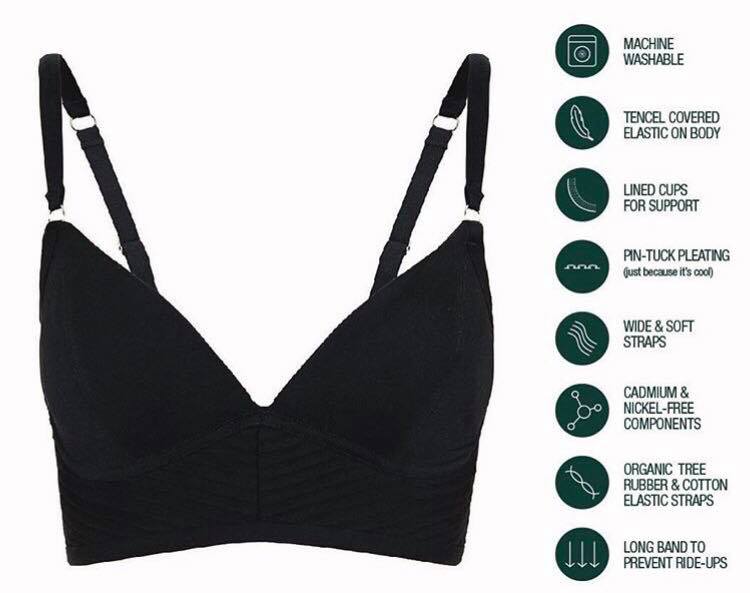
Stephanie Devine has developed a bra, The Very Good Bra, which dissolves back into nature. The Sydney-based zero-waste bra is made entirely from compostable materials, including botanic fiber Tencel, one of the most environmentally friendly fabrics available; tree rubber elastic sourced from sustainable forests; and dyes that meet Global Organic Trading Standards. Interestingly, Devine was quickly able to raise funds to cover the expensive manufacturing costs of sustainable lingerie. This proves that Australian women are demanding a change to more environmentally-friendly fashion. Learn more here www.theverygoodbra.com

The Social Outfit

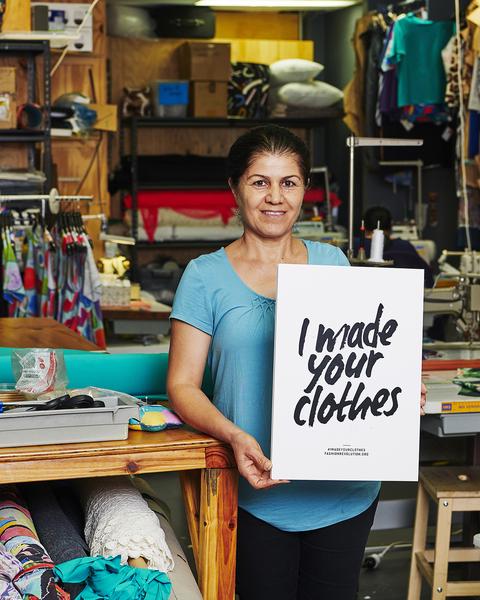
Because she knows it matters who makes our clothes, Jackie Ruddock, CEO of the company, is a social entrepreneur. In fact, her Sydney label’s mission is to empower refugee and new migrant communities through employment and training in the fashion industry, from clothing production to retail, design and marketing. A registered Incorporated Association, a recognised Public Benevolent Institution Charity, and an ethically accredited company by Ethical Clothing Australia, The Social Outfit regularly reports to the Australian Charities and Not-for-profits Commission (ACNC). With most fabric coming from designer donations, the company aims to reduce waste and promote up-cycling. Pieces are unique and tell amazing human stories. Learn more here www.thesocialoutfit.org

Brands like these are crucial for a successful turnaround of the fashion industry, from fast fashion to slow fashion trends. It is important to be aware of the amount of waste the industry is responsible for, as 85 percent of textiles are sent to landfills, i.e. 21 billion tons a year, in part resulting from a fast turnover. In fact, according to the Ellen MacArthur Foundation, the average number of times a garment is worn has decreased by 36 per cent globally in the past 15 years. Another source, McKinsey, determined in 2016 that the number of garments produced annually has doubled since 2000 and exceeded 100 billion for the first time in 2014: nearly 14 new apparel items for every person on Earth. If consumption continues at its current rate, there will be three times as many natural resources needed by 2050 compared to what was used in 2000.


Related Articles: 

“AGURK, BREAKING FASH FASHION: AN INTERVIEW WITH CAMILLA KUUS”

by Allison Murphy

“40 COLORI: BRINGING YOU SUSTAINABLE FASHION FROM COMO, ITALY”

by Pierre Le Lay

“SUSTAINABILITY IN FASHION IS THE FUTURE: KRIE DESIGN”

by Alexandra Tyan


Australia is showing tremendous progress in developing sustainable shopping and in promoting a slow fashion trend with two leading organisations. The first one is the Ethical Clothing Australia, a voluntary accreditation body working collaboratively with local textile, clothing and footwear (TCF) companies to ensure their Australian supply chains are transparent and legally compliant. In addition, one of the Five Growth Pillars of the Australian Fashion Council (AFC) is to develop industry practices in ethical and sustainable products by creating a collaborative space between the industry and NGOs.


EDITOR’S NOTE: THE OPINIONS EXPRESSED HERE BY IMPAKTER.COM COLUMNISTS ARE THEIR OWN, NOT THOSE OF IMPAKTER.COM  — COVER PHOTO CREDIT:  Photo by freestocks.org – First Photo Gallery Credit: The Very Good Bra — Second Photo Gallery Credit: The Social Outfit
Tags: fashionSDG Seriesslow fashionStyleSustainabilitySustainable fashion
Previous Post

Sexism in the City: working with girls and young women to make safer cities

Next Post

Australia: Empowering Indigenous Population

Related Posts

When Food Waste Becomes Fashion: Emerging Innovations
Business

When Food Waste Becomes Fashion: Emerging Innovations

Imagine tossing an orange peel into the trash and later seeing it walk down a runway as part of a...

byKristen Bestmann-Danagogo
January 14, 2026
News about sustainability in the publishing industry
Environment

How the Publishing Industry Addresses the Carbon Footprint of Books

Books are ever-present in our lives: we look through picture books when we are children, study textbooks in school and...

byAnastasiia Barmotina
January 8, 2026
Canada Sets Green Investment Rules; UK Regulator Probes WH Smith; Louvre Workers Call Off Strike;Trump Allies Clash With Fannie, Freddie Staff.
Business

A New Rulebook for Green Capital: Canada

Today’s ESG Updates Canada Sets Green Investment Rules: Canada will introduce a sustainable investment taxonomy by 2026 to label green...

byEge Can Alparslan
December 19, 2025
ESG news regarding Deforestation Mandate Being Pushed; EUs Acceleration on Hydrogen and Net Zero Revolution; AT&T Will End All DEI; UK Watchdog Blocks Nike and Lacoste Ads Over Green Claims.
Business

U-Turn in Europe: Deforestation Mandate Pushed Back Again

Today’s ESG Updates EU Lawmakers Agree to Delay Deforestation Rules: The EU has delayed and simplified its Deforestation Regulation until...

byEge Can Alparslan
December 5, 2025
ESG news covering the EU’s delay of deforestation rules, rising U.S. housing risks from climate impacts, IFC’s $100M clean-energy investment in emerging markets, and ABN AMRO’s appointment of a new Chief Sustainability Officer.
Business

EU Delays Deforestation Regulation Again

Today’s ESG Updates EU Delays Deforestation Law: Europe postpones the EUDR by one year and loosens compliance rules, raising concerns...

byEge Can Alparslan
November 21, 2025
Native American Sovereignty
Society

Native American Sovereignty and Environmental Sustainability

Sustainability is defined as harvesting or using a resource so that it is not depleted or permanently damaged. Environmental sustainability...

byDr. Annis Pratt
November 11, 2025
Sustainable EU Tourism - Shaping the Tourism of Tomorrow
Circular Economy

Tourism at a Crossroads: Europe’s Path to Sustainability and Resilience

Tourism is among Europe’s most dynamic and prominent industries, stimulating local economies, generating jobs, and promoting cultural exchange. However, it...

byIntellera – Part of Accenture
November 7, 2025
Cybersecurity Meets Sustainability
Green Tech

Cybersecurity Meets Sustainability. Responsible Digital Hygiene for Mac Users

Nowadays, security and stability are increasingly intertwined. And Mac users traditionally consider their devices to be more secure than other...

byHannah Fischer-Lauder
October 30, 2025
Next Post
Australia: Empowering Indigenous Population

Australia: Empowering Indigenous Population

Please login to join discussion

Recent News

ESG News regarding Nuclear Waste Storage; Canada Replaces EV Mandate; EU and Turkey Resume Trade Modernization Talks; Startup Raises $29M for Desk-Sized Fusion Reactor

Volunteers Needed for Nuclear Waste Storage

February 6, 2026
Rare Earth Metals 101

Rare Earth Metals 101

February 6, 2026
How to Spot Greenwashing in the Publishing Industry

How to Spot Greenwashing in the Publishing Industry

February 6, 2026
  • ESG News
  • Sustainable Finance
  • Business

© 2025 Impakter.com owned by Klimado GmbH

No Result
View All Result
  • Environment
    • Biodiversity
    • Climate Change
    • Circular Economy
    • Energy
  • FINANCE
    • ESG News
    • Sustainable Finance
    • Business
  • TECH
    • Start-up
    • AI & Machine Learning
    • Green Tech
  • Industry News
    • Entertainment
    • Food and Agriculture
    • Health
    • Politics & Foreign Affairs
    • Philanthropy
    • Science
    • Sport
  • Editorial Series
    • SDGs Series
    • Shape Your Future
    • Sustainable Cities
      • Copenhagen
      • San Francisco
      • Seattle
      • Sydney
  • About us
    • Company
    • Team
    • Partners
    • Write for Impakter
    • Contact Us
    • Privacy Policy

© 2025 Impakter.com owned by Klimado GmbH