In 2017, a young unemployed Malaysian woman who attempted suicide ended up in court and was told by the Magistrate’s Court judge: “No matter how much pressure you are facing, suicide is not a solution. Now you’re out of the hospital, you must be charged in court anyway.”
She was fined MYR 2,000 (USD$450) in default of a three month jail sentence, compounding the obvious distress she was already suffering. The court appearance and punishment only inflicted greater emotional and financial burden.
Unfortunately in Malaysia, this is not an isolated case.
In 2020, human rights groups in Malaysia demanded the repeal of a law that criminalises attempted suicide after a man with a physical disability was sentenced to six months in prison for a suicide attempt. The 38-year-old man was arrested by the police after his family reported his erratic behaviour to the authorities.
Malaysia is one of the few countries where attempting suicide is illegal. Under existing legislation, people found guilty can be punished by up to a year in prison, a fine, or both.
But the Malaysian government is finally seeking to decriminalise suicide by repealing Section 309 of the Penal Code, which advocates say is a long time coming. However, the crime of aiding and abetting suicide under sections 305 and 306 of the Penal Code will remain but with heftier punishment for cases involving vulnerable groups.
Leah Utyasheva from the University of Edinburgh, Scotland explains that the criminalisation of aiding and abetting suicide should not be confused with the criminalisation of suicide attempts.
“While the offence of aiding and abetting suicide is a legitimate measure of protection for vulnerable groups from violence, intimidation, threats, and pressure, criminalisation of suicide attempt is an outdated concept that is widely criticised due to its many harmful effects,” Utyasheva said.
Global overview
Suicide remains a serious global mental health issue. More than 700,000 people die by suicide every year with 77% of these deaths occurring in low-income and middle-income countries. In many of these low-income countries or even developing economies, those who attempt suicide are often faced with immense hostility.
With Pakistan, Ghana and Guyana recently changing their laws, there are still 17 countries where suicidal behaviour or suicide attempt is a criminal offence, carrying a maximum penalty of up to three years in prison. Survivors with a pre-existing mental health condition are either arrested or threatened along with their family members.
Related Articles: Disasters Add to the Global Mental Health Crisis, Not Just Physical Destruction | The Truth About Burnout and Suicide Among Physicians
In some countries, the laws are a legacy of British colonialism and they have never been repealed, despite the United Kingdom decriminalising suicide in 1961. There may be a reluctance in certain countries to decriminalise suicide due to the fear that it may increase suicide rates, and suicide goes against religious and cultural beliefs.
In recent times, more countries have decriminalised suicide after realising that punishing individuals doesn’t prevent them from acting on suicidal thoughts but simply denies them from seeking help.
Pakistan finally decriminalised suicide late in 2022 and Ghana has approved amendments to the Criminal Offences Act of 1960, which previously made attempted suicide a criminal offence. When Singapore decriminalised suicide in early 2020, mental health advocates believed it was a “big win” for the country as it normalises people to seek help without fear.
A good step but still not enough
But decriminalising suicide is just one step in ending prejudice against suicide survivors and patients. Every country must be well-equipped in offering accessible mental health treatment to further destigmatise suicide and mental illness.
India introduced its Mental Healthcare Act in 2018 to ensure individuals who have attempted suicide are offered opportunities for rehabilitation by the government as opposed to being tried or punished.
According to Dr Soumitra Pathare and Tanya Nicole Fernandes from the Centre for Mental Health Law and Policy, the act has its limitations when anyone who attempts suicide is presumed to have a mental illness and should not be liable for prosecution or punishment. If authorities prove that the person did not attempt suicide due to any mental illness — the case would not fall under the Mental Healthcare Act and the police will still have to investigate the matter and eventually be tried under Section 309 of the Indian Penal Code.
“Unfortunately, governments have not issued any guidance to either doctors or police personnel on how to deal with attempted suicide in light of Section 115 of the Mental Healthcare Act. As a result, old practices continue, and patients and their families are harassed or taunted,” Dr Pathare said.
Dr Siau Ching Sin from Universiti Kebangsaan Malaysia says one way to prevent suicide is through means restriction, which seeks to eliminate or reduce the lethal means an individual may use in their suicide attempts.
“In Sri Lanka, the restriction of several pesticides, including paraquat, led to a 50% reduction in suicide deaths attributable to pesticide ingestion. Ethical reporting of suicide, such as not glorifying the death or describing in detail the method is another way to reduce suicide attempts,” Dr Siau said.
“Gatekeeper suicide training, a practice of educating people to provide basic skills in identifying individuals at risk of suicide and referring them to mental health professionals is another public health effort that could raise awareness, reduce stigma, and help individuals seek necessary treatment.”
Andrian Liem from Monash University Malaysia believes having suicide registry databases can provide important information on demographics, risk factors, and trends in suicidal behaviour.
“This information can be used to develop targeted suicide prevention interventions that address the needs of different populations. From the data collected, countries can identify risk factors and develop programmes that lead to improved mental health outcomes and a reduction in suicide rates over time,” Liem said.
“Suicide registry databases are important tools for understanding and preventing suicide. However, countries must also be aware of the limitations and potential risks associated with them such as underreporting, privacy concerns, over-reliance and punitive measures. By addressing these challenges, countries can develop effective suicide intervention strategies that address the unique needs of different individuals while protecting their privacy and dignity.”
Anisur Rahman Khan from East West University, Bangladesh urges policymakers to consult widely and thoughtfully about the pros and cons of decriminalising suicide and its attempt before enacting a national suicide prevention strategy. This is to avoid tampering with any policy outcomes and other associated issues such as data registry and support interventions. Policymakers should also consider the moral, philosophical, ethical, religious and human rights aspects of self-harm.
“Bangladesh is yet to formulate any comprehensive national suicide prevention strategy or a central suicide prevention database or comprehensive suicide surveillance system. Although evidence shows that suicide can be reduced with simple initiatives, the Bangladeshi government continues to neglect it,” Khan said.
“While there are studies on selected populations, suicide data is primarily drawn from often inconsistent and contradictory media reports and records. Hence, the magnitude and distribution of suicides and attempts are likely to be misrepresentations due to under-reporting and misclassification.”
— —
If this article has raised issues for you, or if you’re concerned about someone you know, visit https://findahelpline.com/i/iasp
The article was originally published by 360info™.
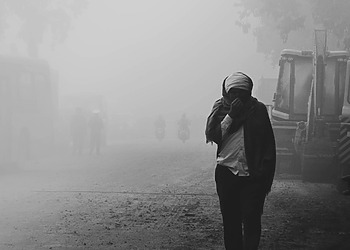
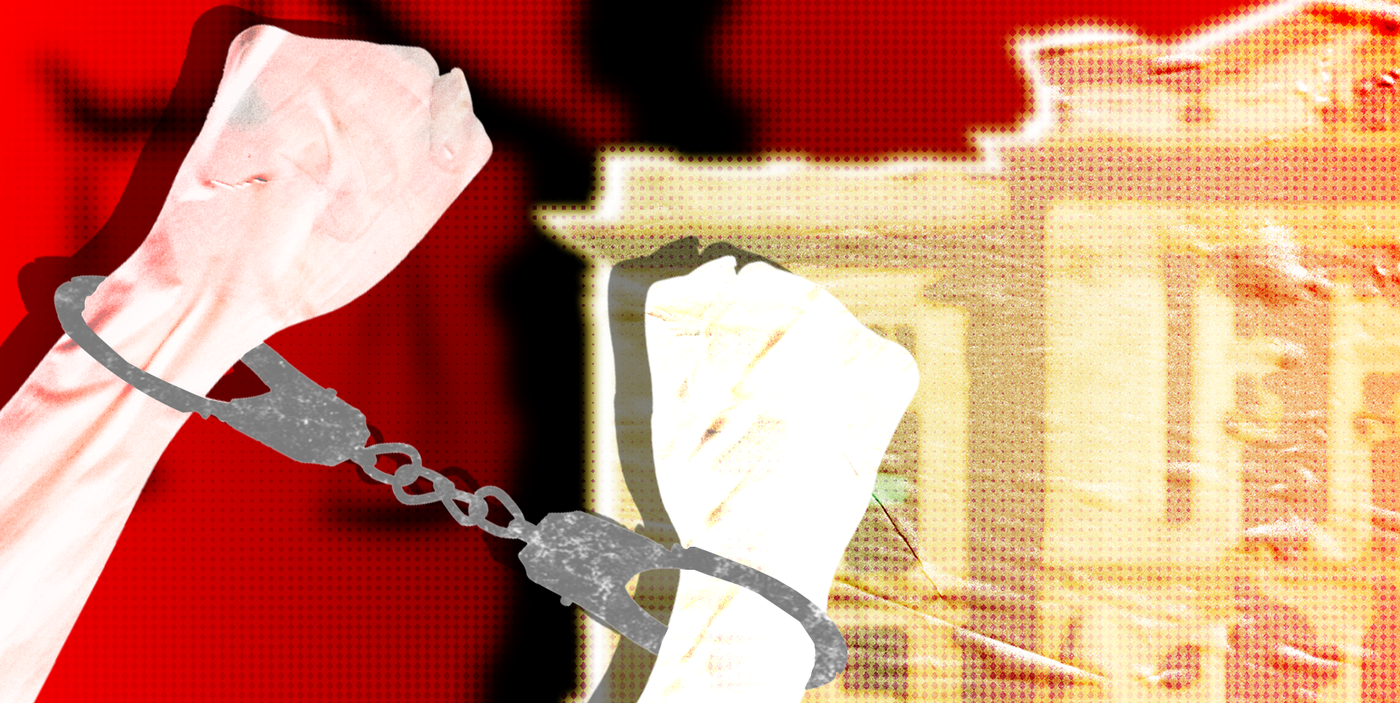
Editor’s Note: The opinions expressed here by the authors are their own, not those of Impakter.com — In the Featured Photo: Decriminalising suicide is just one step in ending prejudice against suicide survivors and patients. More needs to be done to support those who are affected. Featured Photo Credit: Michael Joiner, 360info.