Impakter
  • Environment
    • Biodiversity
    • Climate Change
    • Circular Economy
    • Energy
  • FINANCE
    • ESG News
    • Sustainable Finance
    • Business
  • TECH
    • Start-up
    • AI & Machine Learning
    • Green Tech
  • Industry News
    • Entertainment
    • Food and Agriculture
    • Health
    • Politics & Foreign Affairs
    • Philanthropy
    • Science
    • Sport
  • Editorial Series
    • SDGs Series
    • Shape Your Future
    • Sustainable Cities
      • Copenhagen
      • San Francisco
      • Seattle
      • Sydney
  • About us
    • Company
    • Team
    • Global Leaders
    • Partners
    • Write for Impakter
    • Contact Us
    • Privacy Policy
No Result
View All Result
Impakter logo
No Result
View All Result
ESG Investing: No Longer Just For The Generous and Wealthy?

ESG Investing: No Longer Just For The Generous and Wealthy?

George CavebyGeorge Cave
August 7, 2020
in Business, Green Tech, Impact, Society
0

Environmental, social, and governance-minded, or ESG, investing has never been so profitable and it’s becoming a trend. It is not anymore only for those “generous and wealthy” but it is becoming a viable option for many other people.

ESG is a broad asset class, referring basically to any investment that considers ethical criteria as well as the financial. The idea behind ESG investing is that any business which fits into these criteria will be well-positioned to thrive in the future. Destructive and socially irresponsible businesses are not sustainable. Those that do not conform to ESG criteria will ultimately fail thanks to their very structure and practices.

ESG is often used interchangeably with SRI or Socially Responsible Investment. While the two asset classes are very similar, they are not identical. ESG takes into account profitability, business operations, and other typical ways of judging a potential investment as well as environmental, social, and governance factors. SRI, however, is purely focused on ethical criteria and gives no regard for a company’s financial potential.

Investing into ESG companies has always been a way for the socially responsible rich to put their money towards good causes – ranging from the environmentally sustainable to investing in organizations that work to improve labor laws and human rights issues, and everything in between.

In the picture: Plant Growing from Coins. Photo Credit: Unsplash.

Despite it being partially value-driven, ESG investing is indeed financially motivated and is not to be conflated with simply giving to charity. However, an ESG-focused investor typically must have both a belief that socially responsible companies are the ‘way forward’ as it were, as well as a large enough amount of capital to invest confidently in these companies. ESG investors will expect significant returns only in the very long-term, as the sustainable sector has not yet reached its period of rapid expansion.

An ESG-focused investor will, therefore, sacrifice the immediate profits one could make from investing elsewhere in favor of hopeful long-term returns, as well as the knowledge that these companies are furthering positive social change.

While this has always been the convention in regard to ESG, it is changing drastically. We have seen accelerated growth in the sector in the last decade, with 6 out of 10 sustainable funds delivering higher returns than the wider market. Further, over the recent market drop, ESG funds have been stronger than ever, falling significantly less than their non-sustainable counterparts. In fact, 85% of UK IFAs have seen a rise in clients’ requests to allocate capital to ESG-integrated funds since the start of the pandemic.


RELATED ARTICLES: A Growing Alternative in a Global Crisis: Stakeholder Capitalism | How Fashion Could Become More Sustainable After Covid-19 | The Future of Green Finance | How Honest is Green Finance? A Look into Goldman Sachs | How Will We Finance the New Deal for Nature? | Beware of Greenwashing in Finance

There are long-term reasons for this recent change. A recent survey by Boring Money indicated that investors who prioritize environmental concerns are more likely to fall within a younger age group. As time goes by, more young people are investing their money, making it more likely for the average investor to be interested in environmentally sustainable assets.

Changes are also evident in our daily lives. As consumers, we have never been so environmentally responsible. From fast-food outlets around the world releasing vegan substitutes of their old favorites to the growing popularity of sustainable fashion, sustainable living is finally entering the mainstream. The growth of ESG investment mirrors this change in consumer values – this asset class will grow stronger and stronger as our lifestyle choices become more ethically motivated.

While there are long-term factors contributing to this shift towards sustainability, it is clear that the pandemic has acted as a trigger of sorts. For some reason or another, the crisis we find ourselves in has catalyzed global investment into companies that meet ESG criteria, despite being in the midst of one of the most troubling economic periods in recent history.

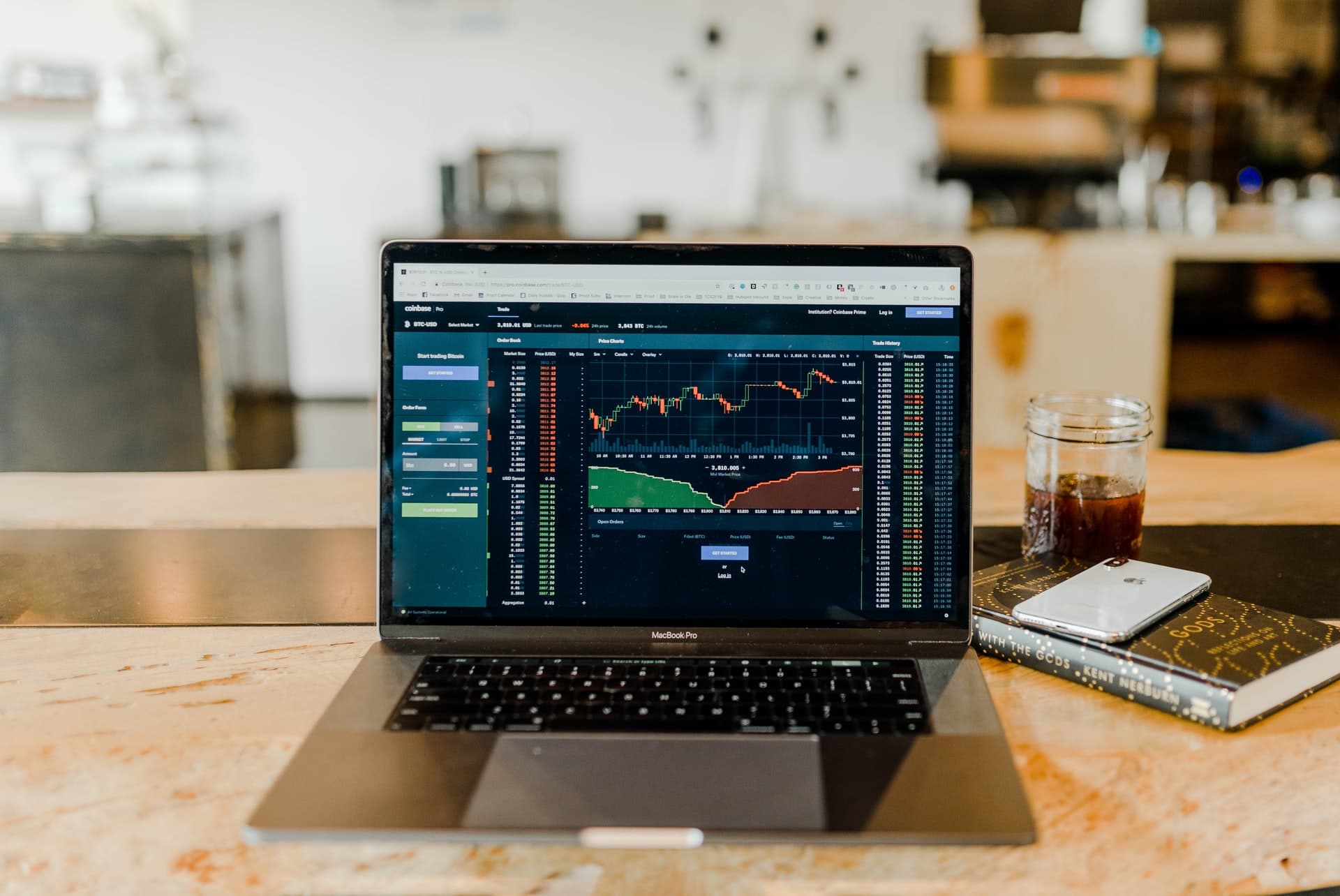
In the picture: Trading Stocks on the Market. Photo Credit: Unsplash.

Whether this increased social responsibility from investors can be put down to a realignment of our priorities away from the financial in the face of global tragedy as individuals start to appreciate the importance of the wider society in which they live, who’s to say. The COVID-19 pandemic will have untold consequences on the global psyche as we face problems we never have before. A change in investors’ attitudes, while not easily explicable, is just one of the many paradigm shifts that are occurring as we speak.

As these funds grow stronger, everyday investors wishing to safely invest their savings, retirement funds, or inheritances have more reason to do so in a sustainable way. It is starting to make financial sense to invest in the growing market that is sustainability.

This prospect offers a glimmer of hope in a period of uncertainty. The more money we put into sustainability, the less we pour into those companies which exploit the easily exploitable system we live in. Let us hit them where it hurts and make sustainable and ethically responsible investing profitable. With more and more support, the stronger this asset class will grow and the more prepared we are as a global society to enter into a more sustainable future.


Editor’s Note: The opinions expressed here by Impakter.com contributors are their own, not those of  Impakter.com

 

Tags: businessESGGreen financeImpact investingInvestmentSRI
Previous Post

“Hope in the City” Tells a Story of Urban Challenges and Nature-Based Solutions

Next Post

Covid Healthcare Workers Crisis: Bad Now, Worse in Future

Related Posts

Indonesia Forms National Energy Council
ESG FINANCE

Indonesia Forms National Energy Council

Today’s ESG Updates: Indonesia Forms National Energy Council: With one of its aims being to reduce fuel import dependencies and...

byAriq Haidar
January 29, 2026
Russia Raises Alarm Over NATO Military Presence in Greenland, US and Taiwan Seal Semiconductor Trade Deal With Major Investment Commitments, Growing Concerns Over Medical Care in US Immigration Detention, Machado Seeks Influence After High-Stakes Meeting With Trump
Climate Change

Trump’s Greenland Ambitions Strain NATO Unity

Today’s ESG Updates Russia Accuses NATO of Militarising the Arctic: Russia has warned that NATO’s planned deployment to Greenland risks...

byPuja Doshi
January 16, 2026
ESG News regarding Economic Collapse Fuelling Iran Protests Amid Rising Death Toll, U.S. Pressure on Iran Tests Beijing as Tariffs Could Push China Duties Above 70%, EU Offers China Price Pledge Option to Avoid EV Tariffs, Atmosphere Emerges as Major Pathway for Plastic Pollution
Business

Iran Acknowledges 2,000 Deaths as Protests Enter Third Week

Today’s ESG Updates Economic Crisis Drives Largest Protests in Years: Demonstrations that began over the collapse of the currency in...

byPuja Doshi
January 13, 2026
Business Growth graph
Business

How to Approach Business Growth with Fewer Risks

Is fast growth always worth the crash that sometimes follows it? Ask any startup founder who scaled too quickly and...

byHannah Fischer-Lauder
January 8, 2026
Orsted challenges U.S. suspension of offshore wind projects; global mandatory ESG reporting accelerates; ESG ratings for Saudi firm Maharah; EU legal certainty on sustainability reporting.
Business

Orsted’s US Wind Project Challenge Highlights Regulatory Risk in Clean Energy Investment

Today’s ESG Updates Orsted Challenges U.S. Suspension of Wind Project: Denmark-based renewable developer files court action to overturn the U.S....

byMuhammad Umer Aslam
January 5, 2026
Impakter’s Most-Read Stories of 2025
Society

Impakter’s Most-Read Stories of 2025

In 2025, as in previous years, Impakter readers turned in large numbers to stories examining climate change and pollution, environmental...

byImpakter Editorial Board
December 31, 2025
First Year of CSRD Reporting Exposes Data Gaps
Business

First Year of CSRD Reporting Exposes Data Gaps

Today’s ESG Updates CSRD Reporting Proves Difficult: Deloitte finds that many European companies failed to quantify ESG-related capital and operating...

byMuhammad Umer Aslam
December 22, 2025
Trump media merges with fusion power startup
Business

Trump Media Merges With Nuclear Fusion Company

Today’s ESG Updates Trump Media Merges With Fusion Power Company: Trump Media & Technology Group announced an all-stock merger with...

byPuja Doshi
December 19, 2025
Next Post
Covid Healthcare Workers Crisis: Bad Now, Worse in Future

Covid Healthcare Workers Crisis: Bad Now, Worse in Future

Recent News

How Migration Made the Human World

How Migration Made the Human World

January 30, 2026
ESG News regarding AI datacenters fueling U.S.-led gas power boom, Lukoil selling foreign holdings, England and Wales households paying more for water bills, and Trafigura investing $1 billion in African carbon removal projects.

AI Datacenters Fuel U.S.-Led Gas Power Boom

January 30, 2026
Business without borders, a neon sign

Why Every Modern Business Needs Proxies for Market Research

January 29, 2026
  • ESG News
  • Sustainable Finance
  • Business

© 2025 Impakter.com owned by Klimado GmbH

No Result
View All Result
  • Environment
    • Biodiversity
    • Climate Change
    • Circular Economy
    • Energy
  • FINANCE
    • ESG News
    • Sustainable Finance
    • Business
  • TECH
    • Start-up
    • AI & Machine Learning
    • Green Tech
  • Industry News
    • Entertainment
    • Food and Agriculture
    • Health
    • Politics & Foreign Affairs
    • Philanthropy
    • Science
    • Sport
  • Editorial Series
    • SDGs Series
    • Shape Your Future
    • Sustainable Cities
      • Copenhagen
      • San Francisco
      • Seattle
      • Sydney
  • About us
    • Company
    • Team
    • Global Leaders
    • Partners
    • Write for Impakter
    • Contact Us
    • Privacy Policy

© 2025 Impakter.com owned by Klimado GmbH